
2025/06/06
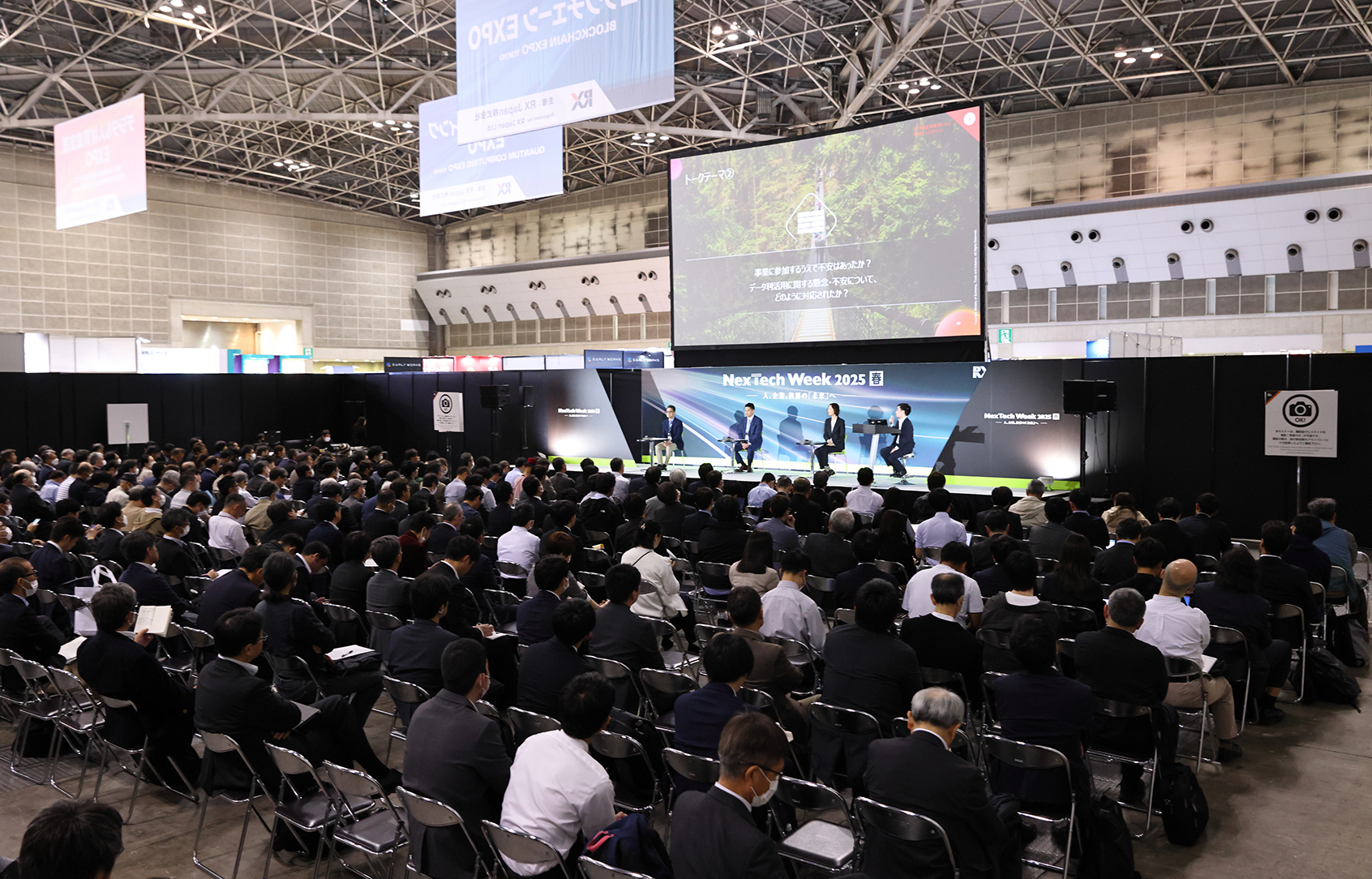
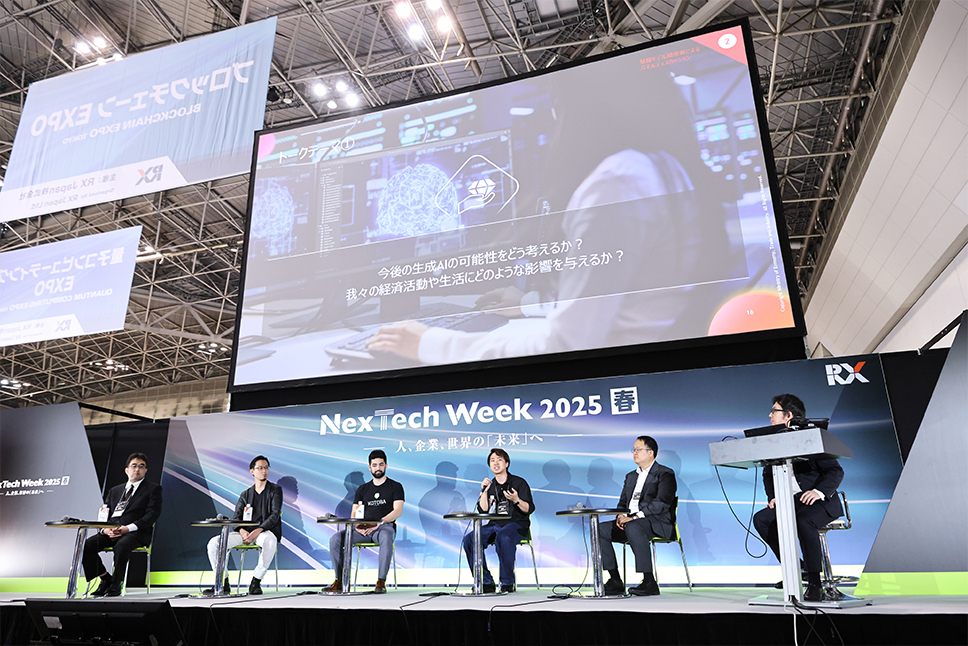
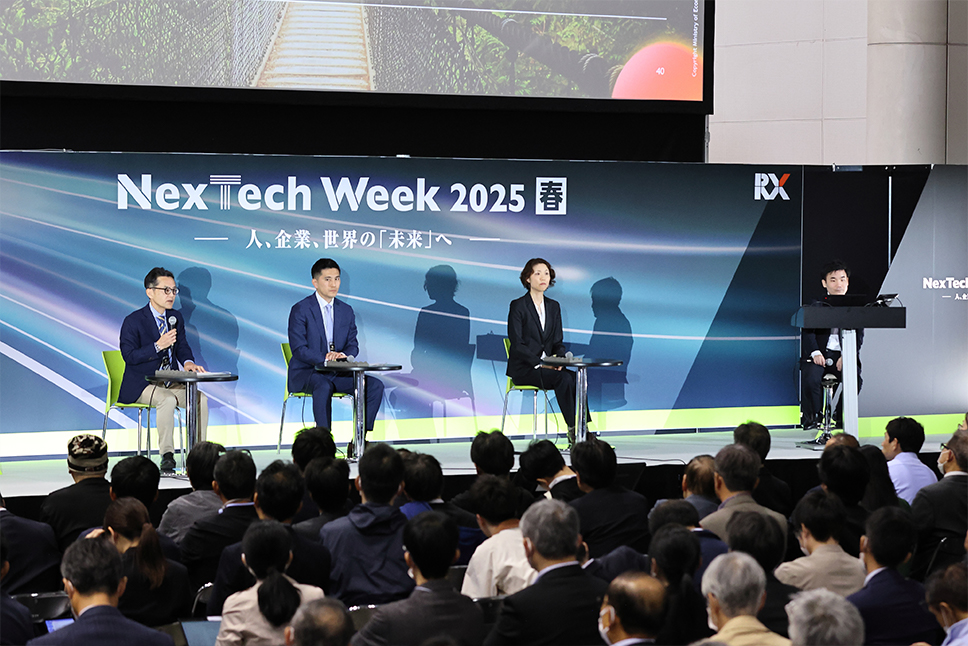
From April 15 to the 17, 2025, NexTech Week 2025 [Spring] — Toward the Future of People, Companies, and the World was held at Tokyo Big Sight, East Halls 6–7. On the opening day on April 15, GENIAC hosted a special panel discussion as part of the AI Expo program, drawing an audience of around700 participants.
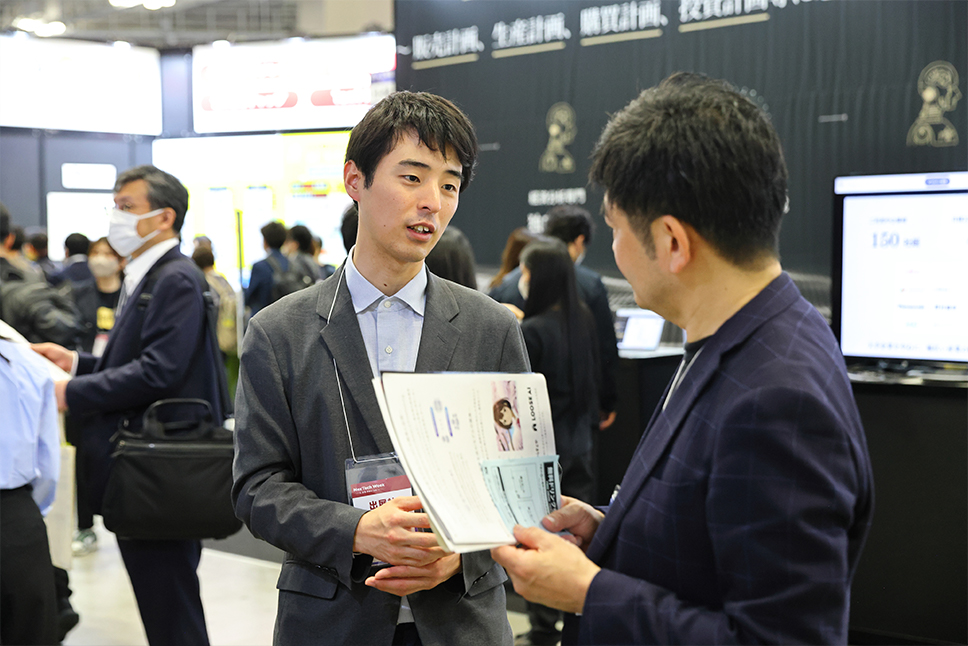
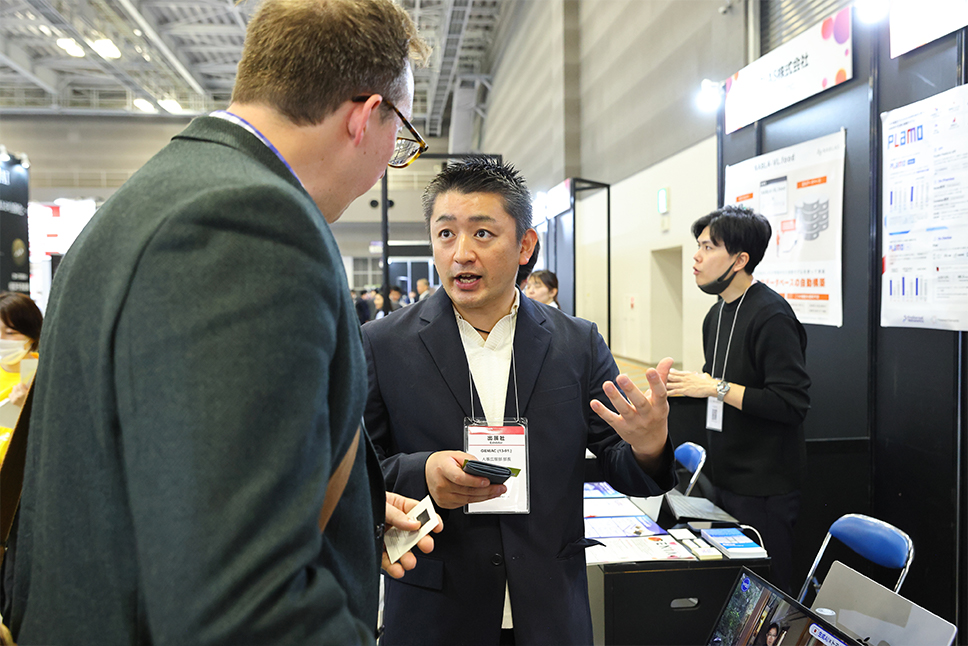
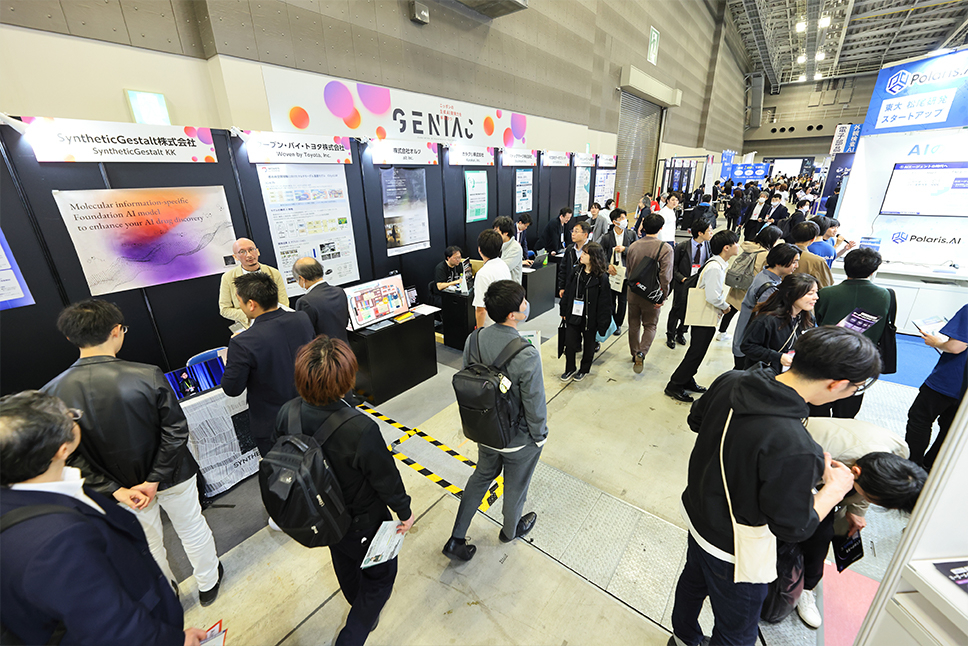
Throughout the three-day event, GENIAC also ran a booth showcasing the initiatives of its selected companies. The exhibit attracted strong interest from professionals working in cutting-edge fields such as AI, blockchain, and quantum computing, as well as from those involved in digital talent development services.
This article provides a look at some of the highlights from the event.
[Panel Discussion] The Current Status of “GENIAC,” the Generative AI Development Support Project Led by METI and NEDO
New Value Created by Generative AI and GENIAC’s Initiatives
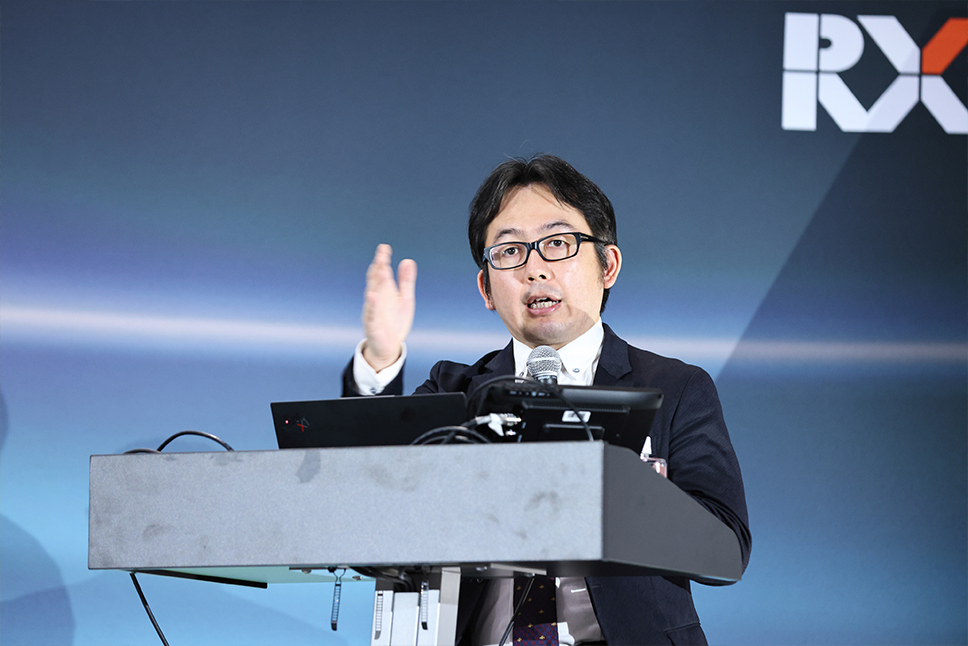
In his opening remarks, Takuya Watanabe, Director, AI Industry Strategy Office, Information Industry Division, Commerce and Information Policy Bureau, Ministry of Economy, Trade and Industry (METI) [AF2.1]introduced the current state of generative AI utilization and the future initiatives of GENIAC.
Watanabe: Successful use cases of generative AI are emerging one after another in Japan. On METI’s official media, METI-Journal, we featured CyberAgent’s case study of generative AI utilization. Since 2016, the company has been advancing AI development and deployment. By leveraging generative AI, what once required a team of designers can now be achieved by a single designer, producing up to 170 ads per month.
In addition, ads featuring AI-generated talents boosted click-through rates by as much as 400%. The company is also providing reskilling programs on generative AI to all 6,300 employees, which is highly forward-thinking. In the future, software and data will generate value across all industries. Establishing generative AI technology as a core capability within Japan is a key aim of GENIAC.
GENIAC supports selected companies by covering computing resource fees and data preparation costs (which can also be used for developing customized models, applications, and verification based on foundation models). The third round of applications is now underway, and GENIAC will continue supporting the development of highly competitive foundation models with real-world implementation in mind.
Watanabe: We are building a framework for reliable data sharing, ensuring appropriate revenue distribution and returns to data providers, thereby laying the foundation for an ecosystem that supports high-quality domestic generative AI development. We are also promoting cross-industry collaboration to accelerate value creation starting from data sharing.
In the areas of knowledge sharing and human resource development, we are advancing initiatives such as e-learning, revisions to national examinations, and visualization of skills to foster an environment that supports the growth of domestic software and data companies. We will continue working to cultivate data management talent, facilitate collaboration among foundation model developers, and create opportunities for knowledge sharing and matching with end users.
Furthermore, as a new initiative, we announced the launch of GENIAC Prize, a prize-based program focused on solving four key challenges related to “government, private sector, and safety” in the real world. The program is scheduled to begin accepting applications in early May 2025.
Panel Discussion with Foundation Model Developers
Next, with Watanabe serving as facilitator, a panel discussion was held with members from GENIAC’s developers and computing resource providers.
Discussion Topic 1: How Do We View the Potential of Generative AI?
Watanabe: I’d like to hear your views on the future potential of generative AI, and what kind of impact you think it will have on the economy and our daily lives.
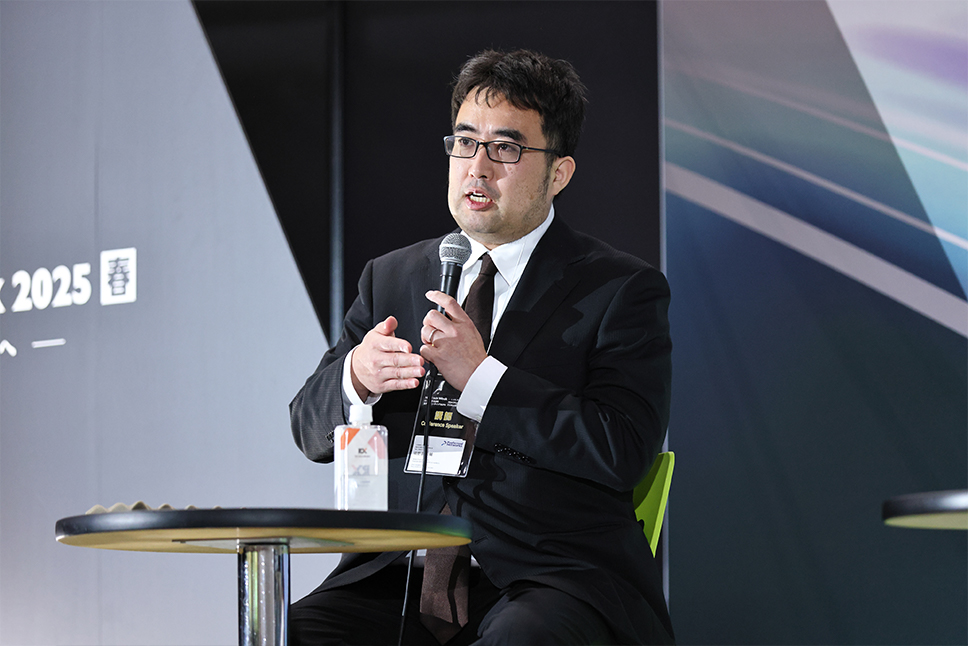
Okanohara: The area I pay the most attention to is software development support. The technology has already reached a level where it’s worth using at around $8 an hour, and I personally use it heavily. With an estimated 30 million programmers worldwide, the market size is about 10 trillion yen even by simple calculation. Within the next one to two years, we will see excellent tools emerge in fields like sales, education, healthcare, and finance—tools that will be indispensable, even at $10 an hour. We are also working toward that future by developing large language models (LLMs).
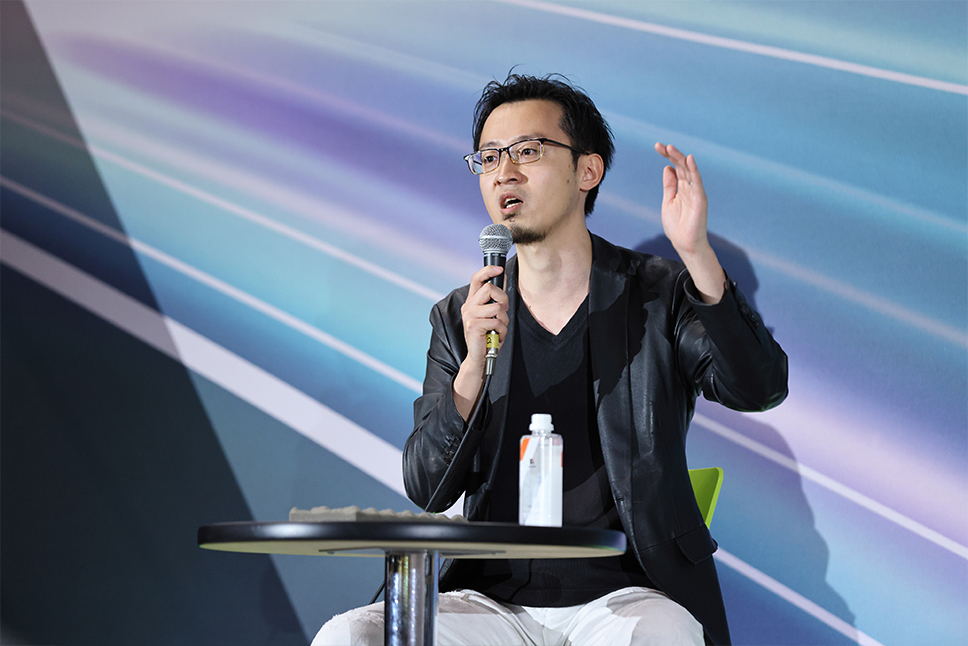
Shimada: We develop AI that analyzes and generates molecular information such as compounds. The potential of generative AI is limitless, but I believe the condition for that is that “the generated output itself must have value.” Current LLMs create value as logic engines or information retrieval tools, but whether people will pay directly for generated text or images is still uncertain. However, if AI can generate valuable things like new drugs or new materials, the economic impact would be immeasurable. If AI reaches the point where it is essentially inventing on its own, then its potential is truly infinite. I believe a future will come where “AI leads the advancement of civilization.”

Kojima: We are developing an AI platform specialized in real-time speech processing and generation. I see two dimensions of potential in generative AI: the “air battle” and the “ground battle.” The air battle is about revolutionary technology that amazes people; the ground battle is about steady advances in accuracy within existing fields. For example, our speech generation AI can take your own voice and emotions and translate them into multiple languages in real time, breaking down barriers in international business and content distribution. That’s the air battle. On the other hand, in areas like call centers, the key lies in steadily improving speech recognition and generation—that’s where the ground battle is unfolding. Even as AI adoption spreads, I believe the foundation of communication remains voice-to-voice dialogue between people, and that’s the gateway we continue to pursue.
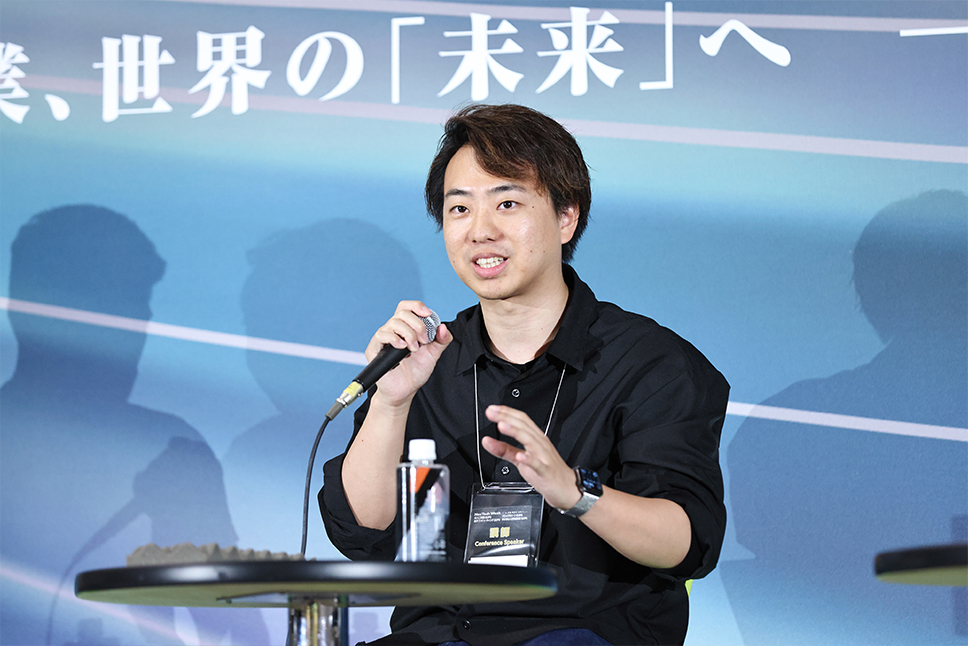
Nakayama: We provide AI agents for customer support, from model development to SaaS delivery. While customer-facing AI adoption is progressing rapidly, what I find especially interesting is AI for employees. We’re now seeing frontline operators using generative AI to write code and automate their own work agents. Even people without IT backgrounds can build agents with AI. When staff with deep field expertise collaborate with AI, we enter an era where we can flexibly meet the individual and detailed needs that SaaS can’t cover. I see enormous potential in that. Personally, I’ve even been experimenting with building my own work agents.
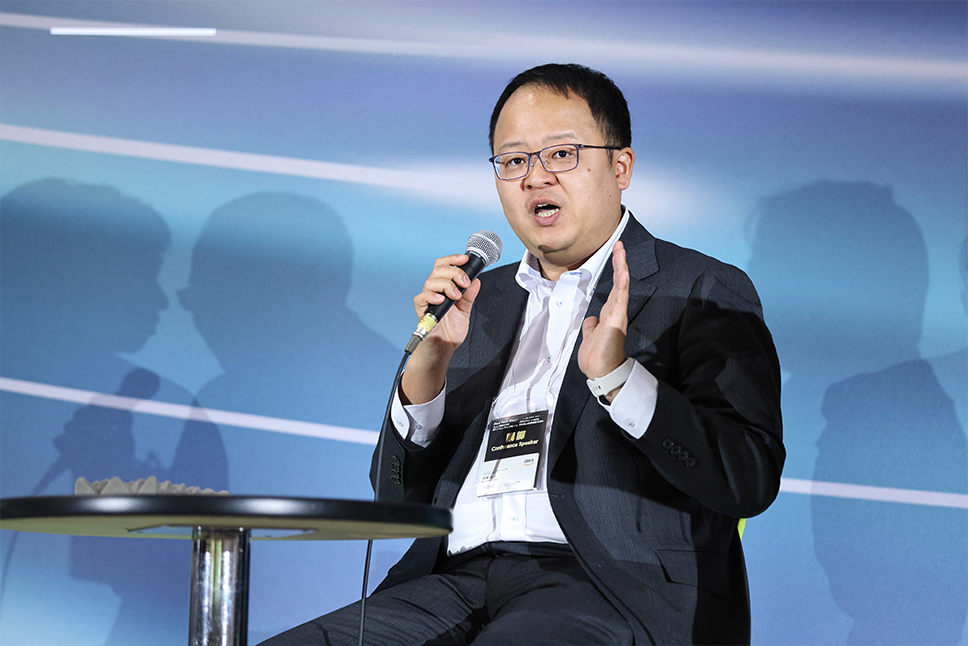
Kobayashi: We also believe the potential of generative AI is “limitless.” Looking at it slightly differently, I think we’re still in a trial phase—experimenting with how generative AI can be applied in various fields. We’re far from exhausting the possibilities. In Japan, challenges such as labor shortages and long working hours in the medical sector present significant opportunities for generative AI to make a difference. I believe generative AI has the power to drive structural change, depending on the ideas applied. It’s not just a “technology” but also a driving force that can create solutions to societal issues—and I think that is the true essence of AI.
Discussion Topic 2: Current Development Status and Expectations for GENIAC
Watanabe: Please tell us about what your companies are currently working on, and in connection with that, what you expect from GENIAC.
Okanohara: With support from GENIAC’s second cycle, we have developed and are now offering PlaMo, which has already begun to be introduced across multiple fields. For example, PlaMo will be integrated into QommonsAI, a generative AI platform for local governments and public agencies provided by the startup Polimill, starting April 30, 2025. QommonsAI is already in use by more than 150 municipalities, where specialized systems and applications tailored to local information are being developed. Adoption is also expanding in other industries.
Going forward, we aim to build models with even higher added value by enhancing uniqueness and differentiation in each sector. From GENIAC, I expect continued development support and a strong role as a hub connecting people from diverse backgrounds and data holders. Collaboration across industries will be increasingly important, and to compete with the U.S. and China, partnerships with APEC and ASEAN countries are also essential. I have high expectations for GENIAC as a bridge for international cooperation.
Shimada: With GENIAC’s support, we successfully developed the world’s largest model in the field of molecular generation AI, which can be applied to the creation of everyday substances such as new drugs, materials, and food products. As a startup originating in Japan, this is a significant achievement, and we are proud to be one of the few cases where Japan is leading in a field often dominated by the U.S. and China.
To expand these achievements, Japan must pursue its own unique strategy based on its strengths. Competing on raw resources with the U.S. and China is difficult. That’s why Japan must carve out its own path by applying AI to fields where it excels, such as chemicals and materials. Collaboration with other Asian countries should also be part of the strategy, with the public and private sectors working together to focus resources. I hope GENIAC will continue to serve as the central platform for pooling wisdom and taking on global competition.
Kojima: In GENIAC’s first and fifth cycles we developed demos, and in the second cycle we released a simultaneous interpretation product at practical level. Our app has now grown to the point where, if you search for “simultaneous interpretation” on iOS, it ranks fifth. Our next goal is to expand these achievements to both consumer and enterprise markets, bringing it to even more people.
We could only take these steps thanks to GENIAC’s support. For computing resources, we were able to access far greater resources than we could have secured through fundraising alone, keeping us competitive globally. Achieving results in such a high-profile project also gave us opportunities to strengthen our brand, recognition, and credibility. Moving forward, we want to continue producing success stories, working with other selected companies to turn ideas into reality one by one.
Nakayama: We are scheduled to complete the development of our high-quality AI agent model for Japanese customer support next week. It has strong Japanese-language capability, can recognize screens as images, and is capable of automated operations. We are also conducting demonstration experiments to improve efficiency by feeding training videos for new employees into AI, enabling it to reproduce and automate tasks.
Securing talent is crucial when developing models specialized for each company. GENIAC has played an important role in this regard—through large-scale projects such as those led by Professor Matsuo’s lab at the University of Tokyo in the first cycle, many model developers have emerged and are now active in companies. I hope that by continuing to nurture and supply talent, we can further advance the development of optimized AI agents and other solutions tailored to each company.
Kobayashi: Excellent technologies have already emerged from the GENIAC framework. The next key step is to ensure these technologies are implemented in society. I believe technology only truly takes root and gains meaning and value through a virtuous cycle of development, real-world utilization, and further refinement based on feedback. We are committed to providing the necessary support to help drive this cycle forward.
Support from GENIAC to Promote the Utilization of Data and AI
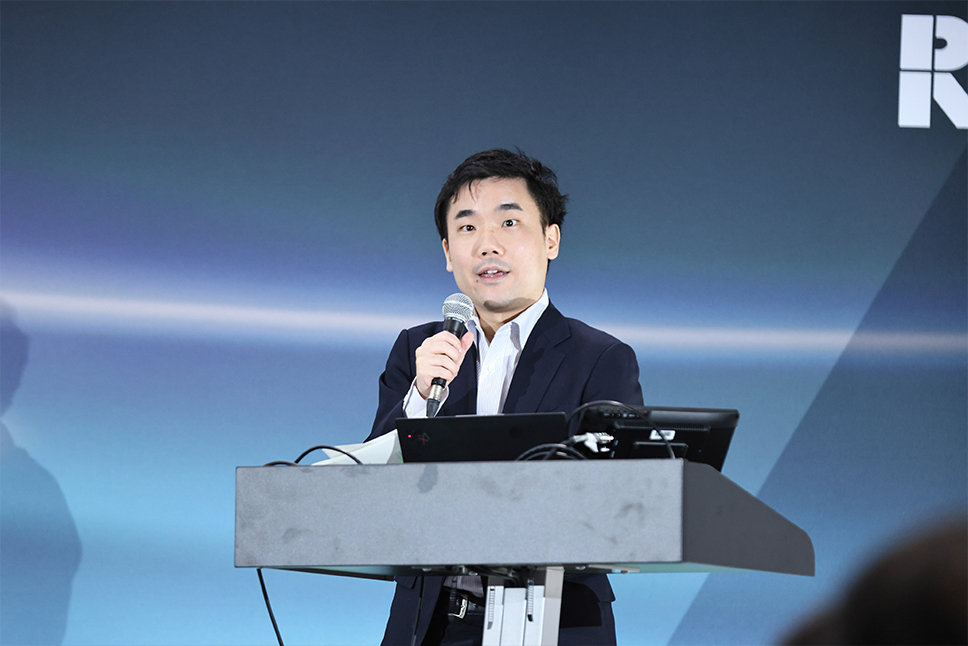
In the second half, Suginoo from the Ministry of Economy, Trade and Industry served as facilitator, leading a panel discussion that included case studies on the potential use of data and generative AI, presented by a video platform company and two major construction firms.
In addition, through its past two calls for proposals, GENIAC has supported a total of seven organizations to promote full-scale AI utilization and development aligned with real-world needs. These include SoftBank (voice data), Seihin (camera footage), OLM (anime sector), as well as projects in robotics, healthcare, and urban spatial data.
Discussion Topic 1: Efforts and Challenges in Advancing AI Utilization
Suginoo: Today, I’d like to highlight a case of DX promotion through the use of video data, especially at construction sites. Could you share the specific initiatives you’ve been working on and the challenges you faced along the way?

Uematsu: We are a company that solves problems through a cloud-based video platform. Currently, we’re working on an “AI Solution Platform” — essentially a system that allows AI developers to build models in the cloud and run them on live video feeds from on-site cameras. As part of this GENIAC project, we are collaborating with Kajima Corporation and Shimizu Corporation to conduct demonstration experiments at construction sites, focusing on crane operations and vehicle detection. Looking ahead, we plan to expand into overseas markets based on Japan’s expertise in video data utilization, as well as move toward more multimodal AI development.
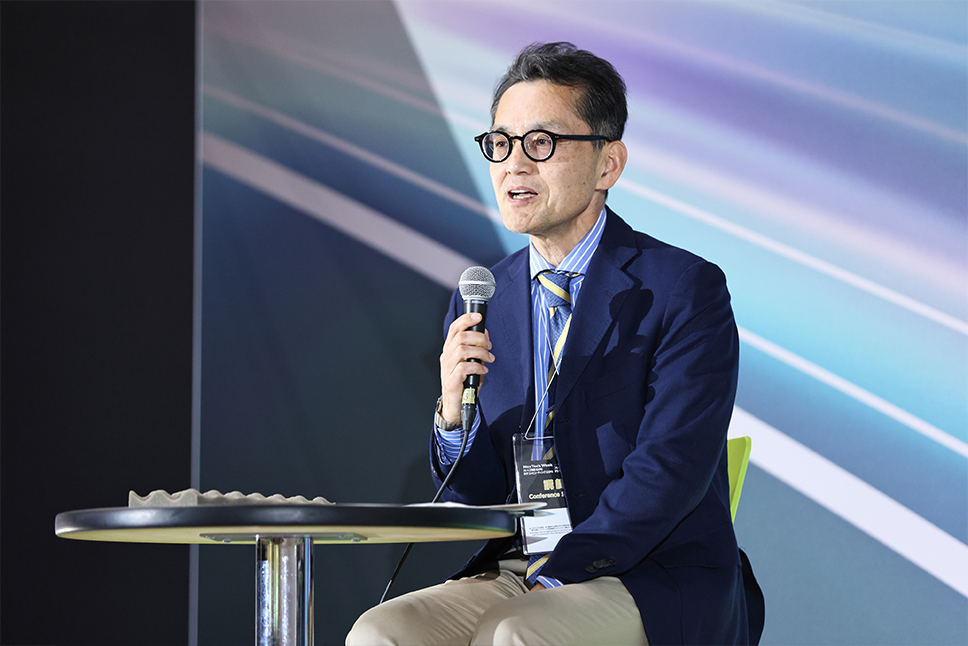
Kanda: In the construction industry, we’ve taken the first step of “digitizing and storing site data,” but overall DX efforts are still lagging. The biggest challenge is figuring out how to make effective use of the vast amounts of data we’ve accumulated — a problem that is common to many industries. We believe that if AI can be used to extract “anomalies” from construction sites, such as gaps between plans and actual results or actions that deviate from rules, it would be highly practical. We are still exploring how to make that a reality.
That’s why we decided to start by focusing on safety. The construction industry has a high incidence of workplace accidents, and ensuring safety is a sector-wide challenge. Safety also tends to be an area where companies can collaborate more easily, so we joined this initiative under the theme of “AI × Video × Safety.”
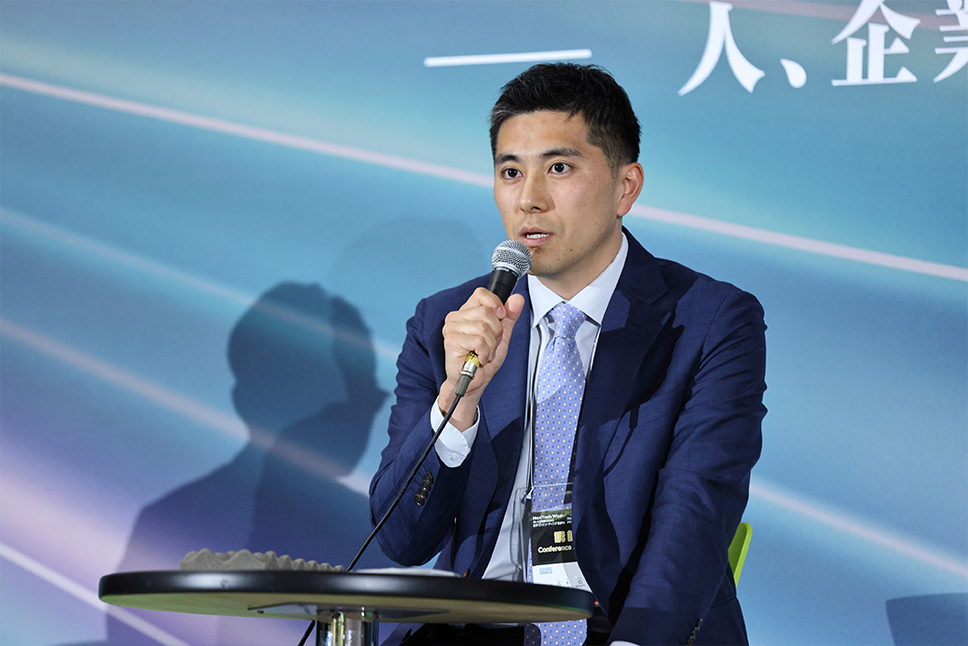
Kogi: In pursuit of next-generation production systems, we’ve gradually been advancing the use of AI for automation and unmanned construction, as well as reducing manpower in planning and management tasks. However, development requires a process of obtaining approval from clients to use data on each project, organizing it, and then providing it to vendors. Implementation and operation of AI also carry burdens in terms of management, human resources, and costs. Even while working with vendors, these remain challenges for us.
In the current demonstration experiment, we are using video for vehicle detection. Video data contains a wealth of information, and we believe AI can bring us closer to human-level judgment. Within the industry, however, the use of video data requires a clear distinction between cooperative areas and competitive areas. As Mr. Kanda mentioned, for pain points shared across the industry, such as safety, it’s best to create a framework where many companies can work together to advance AI. That’s why we decided to participate in this project.
Discussion Topic 2: Concerns About Data Utilization and How to Address Them
Suginoo: Please tell us about the concerns or considerations you had when joining the project, and how you addressed them.
Kanda: Because the construction industry is essentially a contract-based business, the data generated at sites generally belongs to the client. This makes external data sharing a major hurdle, and anonymization and the establishment of common rules are critically important. Within the company, we’ve begun building consensus around the need for data sharing in this project, but when it comes to actual implementation, caution is still necessary. For now, we plan to proceed gradually, starting with areas where data sharing is feasible. For example, since we also have many in-house projects, those cases present lower barriers to data sharing and are easier to tackle first.
Kogi: As you mentioned, because we act as the prime contractor for construction projects, client understanding is essential for using site data, and rule-making is key. In areas like “vehicle detection,” the risks of exposing non-public client information such as construction know-how or specifications are relatively low, making it easier to pursue. Still, considerations for local residents near sites and handling fine details in video data mean that measures such as masking and restricting publication scope require precise guidelines. At present, our efforts are limited to a small number of sites, but we are moving forward carefully by thoroughly explaining matters to clients. With more clients showing interest in DX, it’s important to progress in ways that create benefits for both contractors and clients. I also believe the industry needs forums where guidelines can be discussed collectively.
Uematsu: The fact that each company has different circumstances and approaches to data sharing and utilization remains a major challenge. That said, there are definitely areas—like the “safety domain” in construction—where collaboration is essential, and cross-company cooperation is indispensable. From the beginning, we have placed strong emphasis on security, and going forward, we will continue to enforce data governance and privacy protections. At the same time, we aim to build a platform that delivers outcomes in terms of AI accuracy and cost efficiency, while laying the foundation to broaden AI utilization.
Suginoo: I believe the lessons and approaches from this session can be applied across other industries as well. At GENIAC, we intend to place greater emphasis on supporting utilization and will share outcomes as they emerge. We hope you will continue to follow future case studies and make use of them in your own fields.
GENIAC (METI・NEDO) Booths
During the exhibition, 18 selected companies showcased their work at the GENIAC booth (inside East Hall 7 at the “9th AI Expo [Spring]”). Active discussions and business negotiations took place with participants and visitors alike.
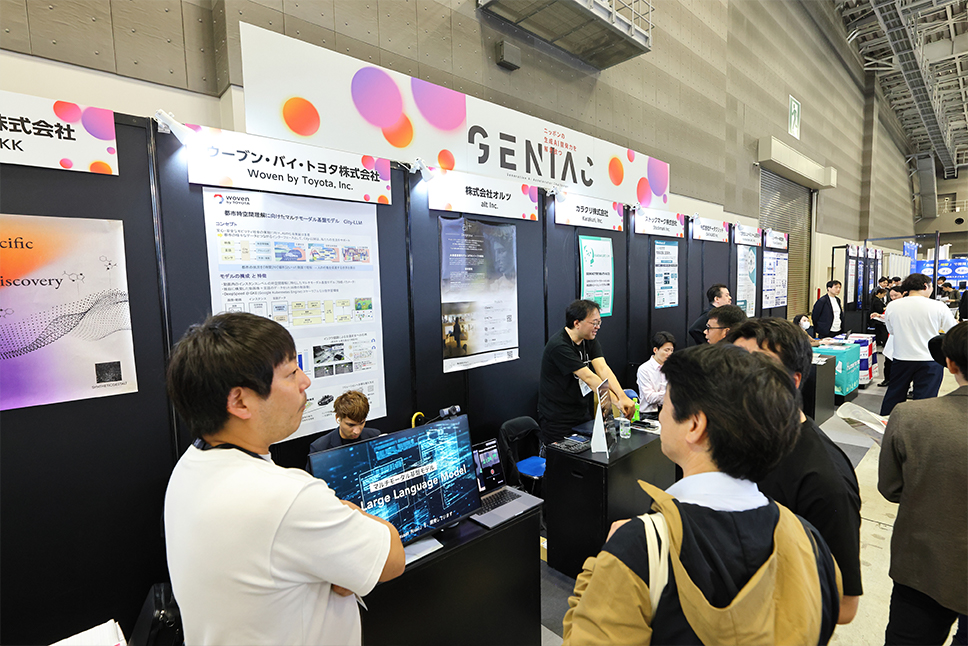
- AIdeaLab Inc.
- AI inside Inc.
- EQUES Inc.
- Kotoba Technologies Japan Inc.
- NABLAS Inc.
- Preferred Networks Inc.
- SyntheticGestalt Inc.
- Woven by Toyota Inc.
- Karakuri Inc.
- Stockmark Inc.
- DataGrid Inc.
- Humanome Research Institute Inc.
- Future Corporation
- Ricoh Company, Ltd.
- Ubitus Inc.
- Deepreneur Inc.
- SoftBank Corp.
*Booth order at time of exhibition
Going forward, GENIAC and its selected companies will continue to share their current activities, future outlooks, and outcomes with a broad audience interested in generative AI. Please stay tuned for further developments in GENIAC’s initiatives.
GENIAC Top Page

