
2025/08/08
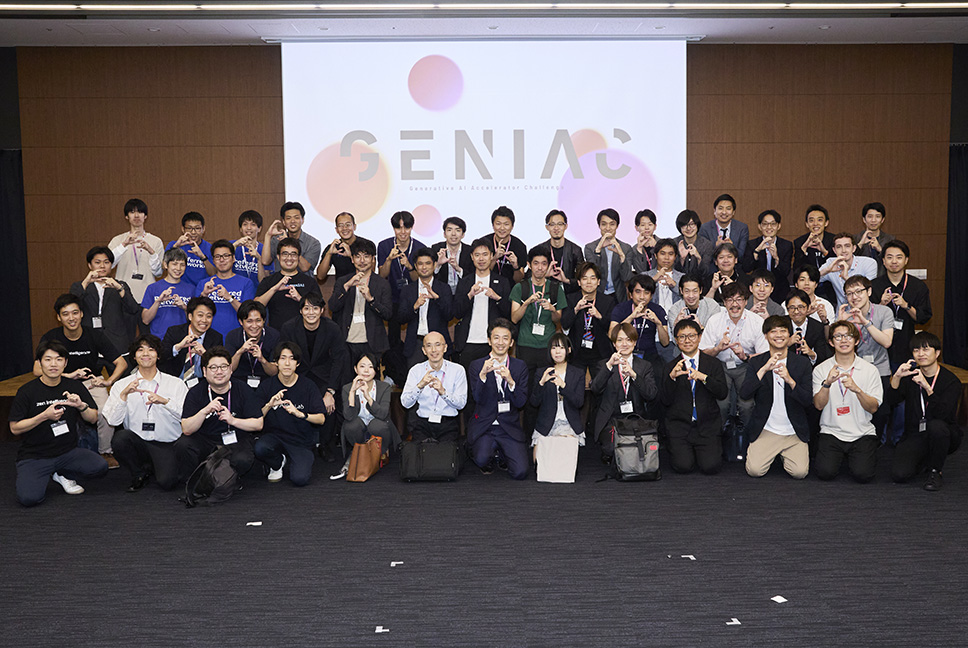
On July 15, 2025 (Tuesday), the kickoff event for the third phase of the “GENIAC” project—an initiative driving the development of generative AI in Japan—was held in Osaki, Tokyo. The event brought together AI development companies and research institutions selected to participate in this new phase.
In this article, we highlight comments from organizations chosen for support in computing resource provision, as well as those selected for demonstration projects focused on data utilization and generative AI applications.
GENIAC 3rd Cohort Awardees Present Initiatives Driving Real-World AI Adoption
Sansan Inc.
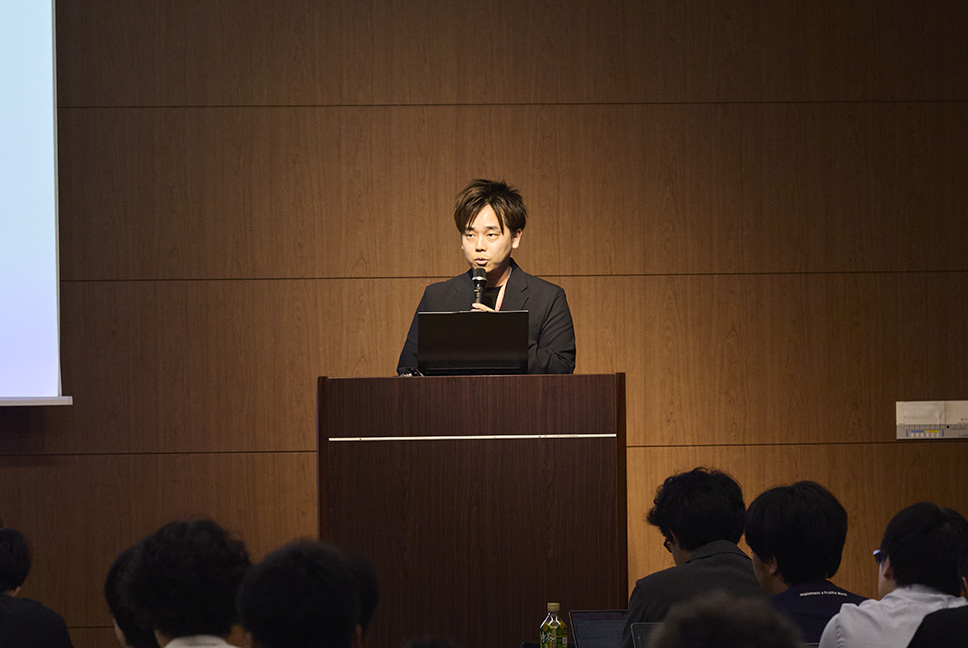
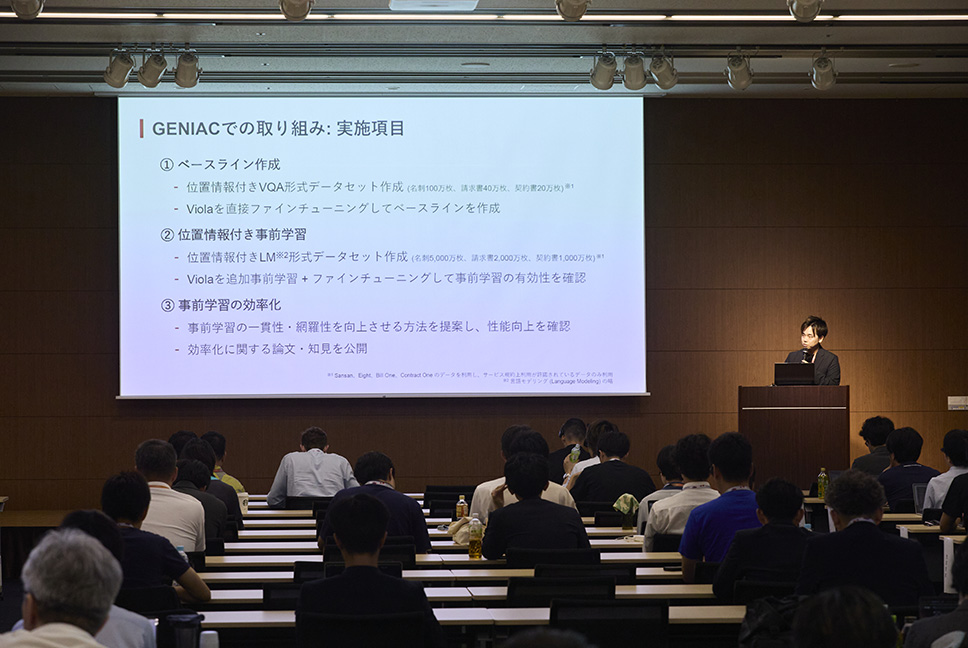
“We are developing Cello, a document-specialized vision-language model with visual grounding, designed to handle materials such as business cards and contracts. Building on our previous Viola model, Cello adds the capability to output the location of text that underpins its answers, improving accuracy, delivery speed, and simplifying workflows. We are also advancing pretraining with position-aware data and testing efficiency methods, with results to be immediately integrated into our products—accelerating the transformation of how people work.” – Uchida
Ricoh Company, Ltd.
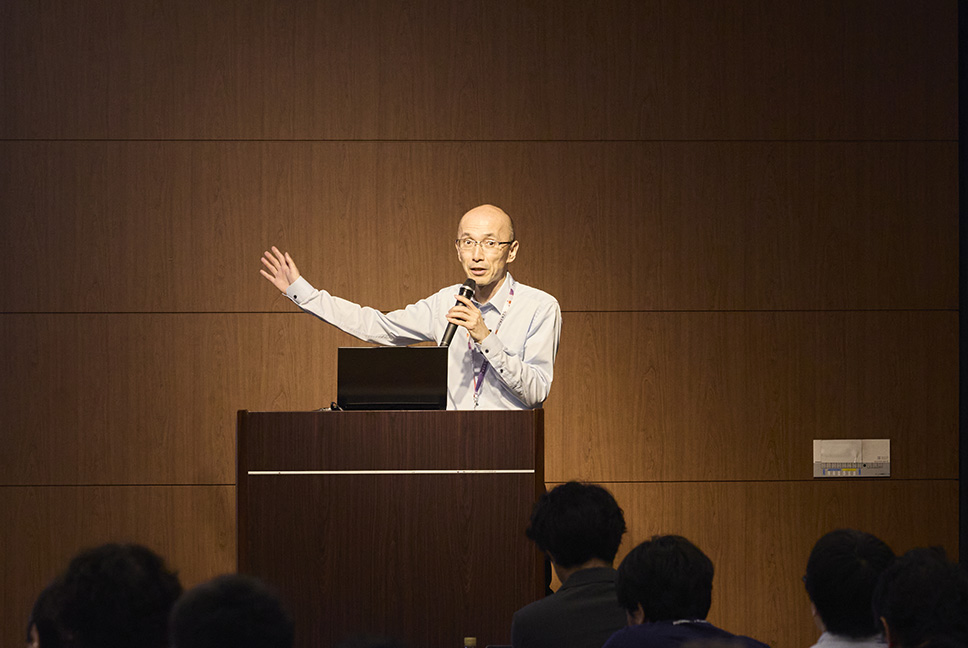
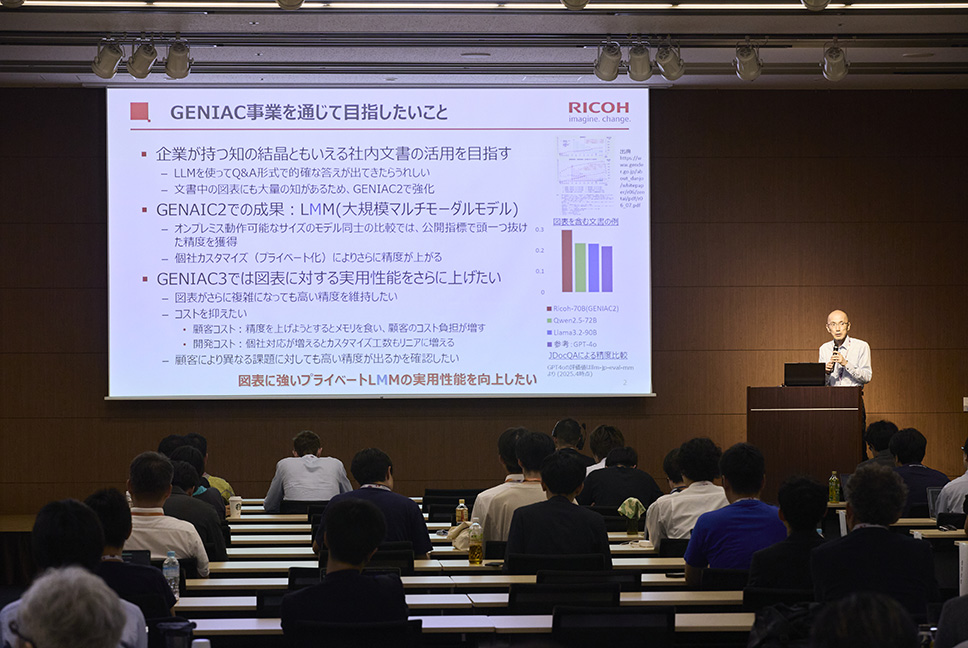
“We are developing a multimodal LLM capable of advanced analysis of corporate documents containing charts and figures. The model we built during GENIAC’s 2nd Cohort already surpassed GPT-4o in accuracy, but in the 3rd Cohort we are focusing on enhancing reasoning performance to handle complex diagrams with high precision. In parallel, we are working on optimizing model size and cost through techniques such as token compression, aiming to achieve both on-premises deployment and adaptability to real-world challenges, while further improving practical utility.” – Hasegawa
Nishika Inc.
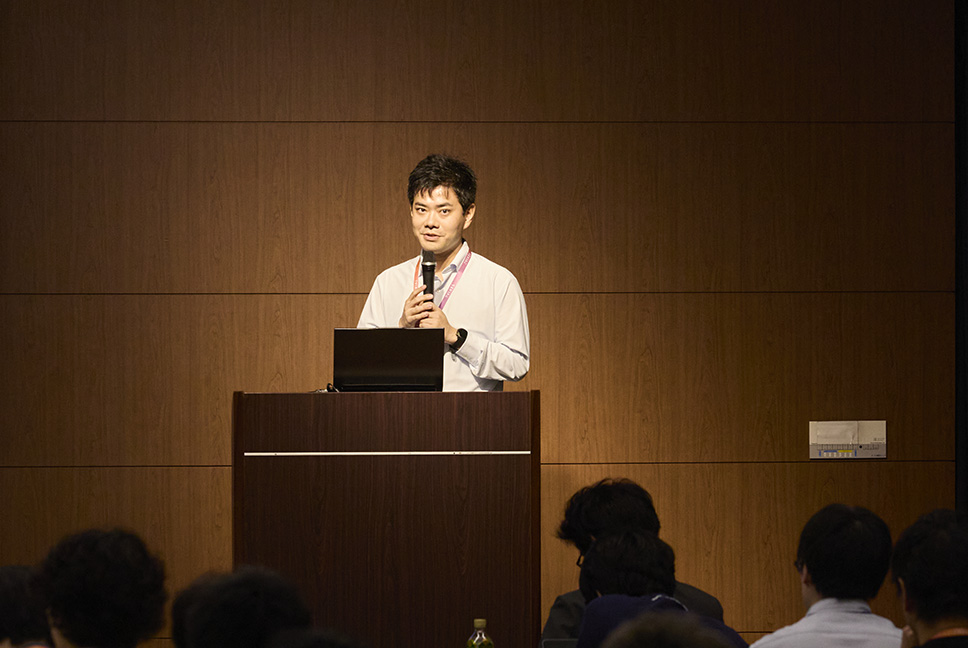
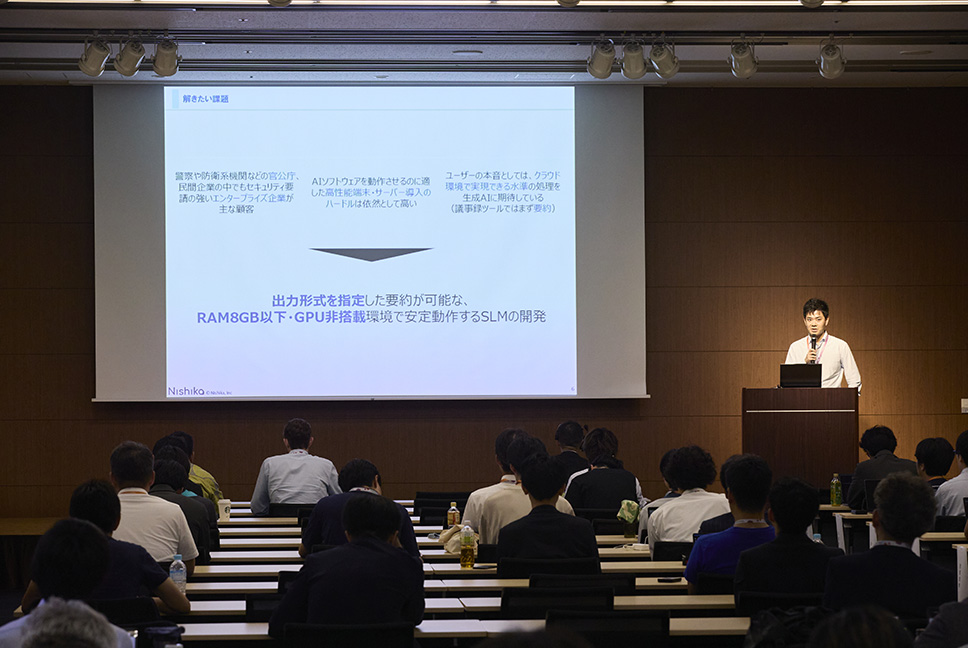
“We are developing an LLM specialized for summarization with enhanced adherence to output formats. The model will be implemented in our in-house AI minutes tool SecureMemo, and we aim to build a Small Language Model (SLM) that runs stably even in environments with less than 8GB RAM and no GPU. It will handle diverse summary formats—such as bullet points and templates—with over 80% accuracy, and its practicality will be validated through trials in government agencies and corporations. We also plan to release part of the format-control dataset and share some of the development know-how.” – Matsuda
Stockmark Inc.
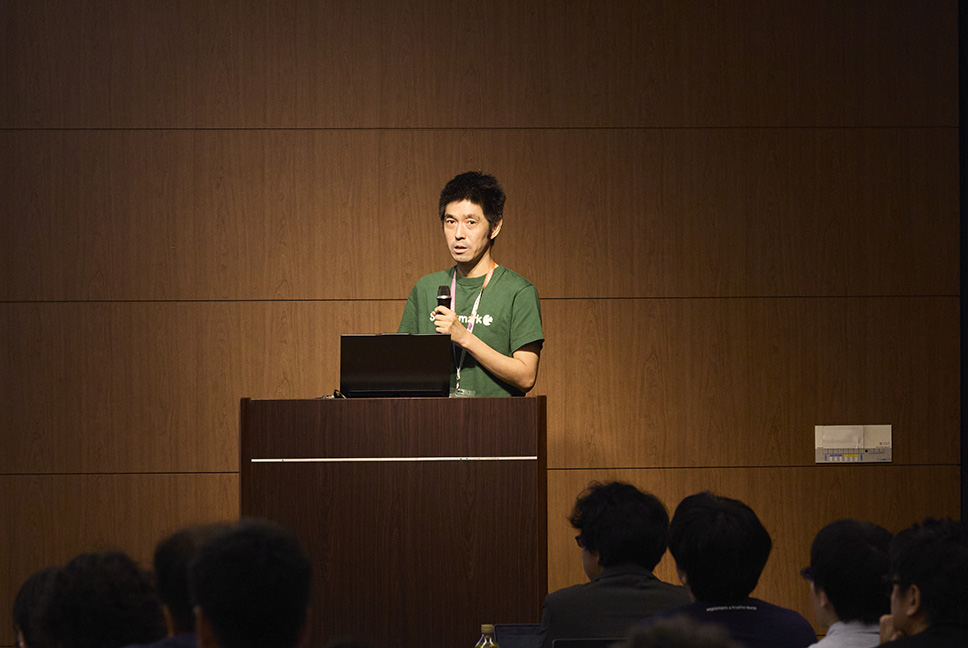
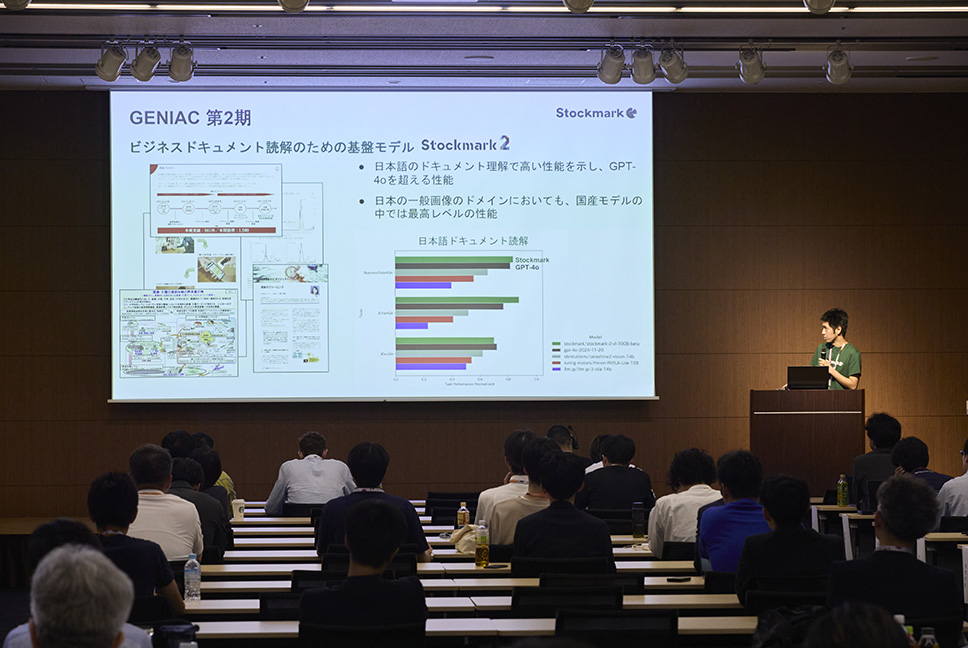
“In the 3rd Cohort, we are developing a foundation model for document comprehension specialized in the manufacturing industry. In the 2nd Cohort, we achieved performance surpassing GPT-4o in business document understanding. This time, we are focusing on highly information-dense, specialized documents that include charts and figures, aiming to formalize tacit knowledge and apply it in business contexts. Our goal is to tackle advanced comprehension of internal reports and workflows. We will also leverage real manufacturing data to test applications for improving operational efficiency and supporting idea generation.” – Omi
Preferred Networks, Inc.
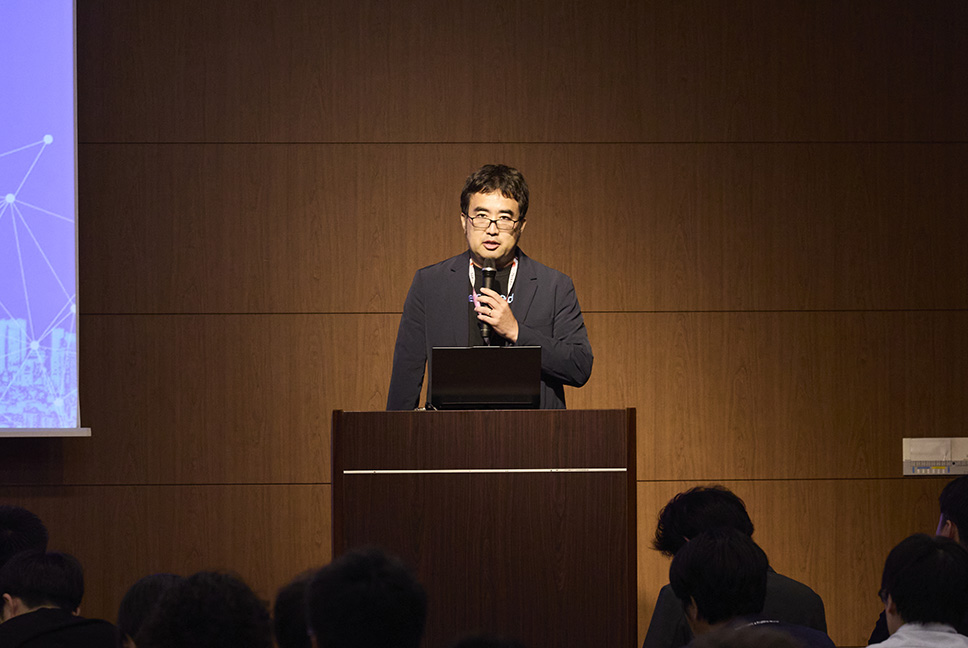
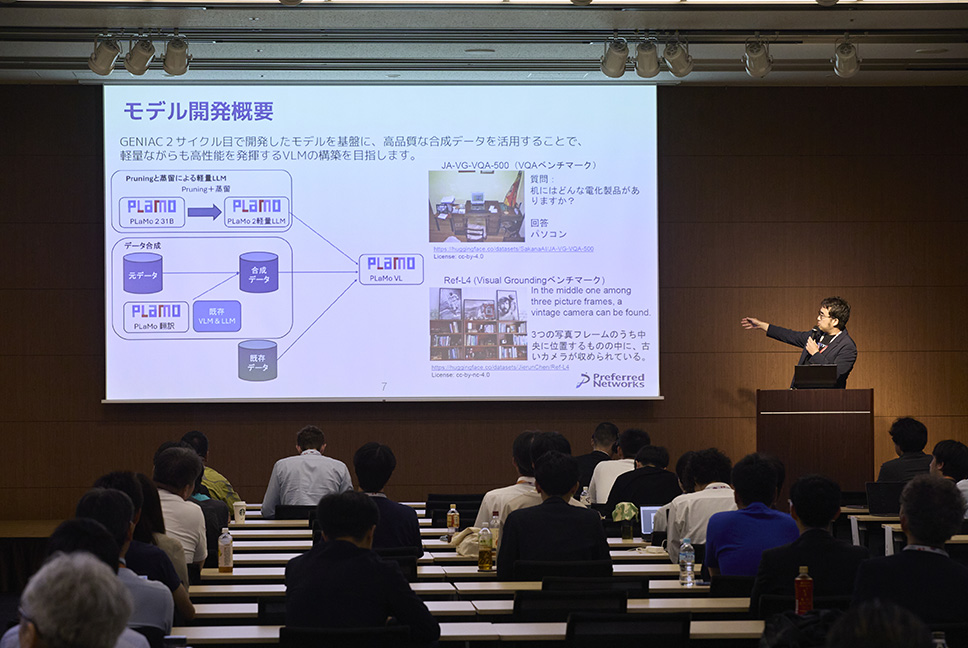
“In GENIAC’s 3rd Cohort, we are working on the development of a highly accurate yet lightweight Vision-Language Model (VLM) for autonomous devices. Building on the results of the domestically developed LLM PLaMo, we are constructing a model designed to operate in edge environments, while also exploring applications in drones and surveillance cameras through the use of high-quality synthetic data. Our goal is to advance both social implementation and research, paving the way for next-generation applications through Japan-origin AI technology.” – Okanohara
Airion Inc.
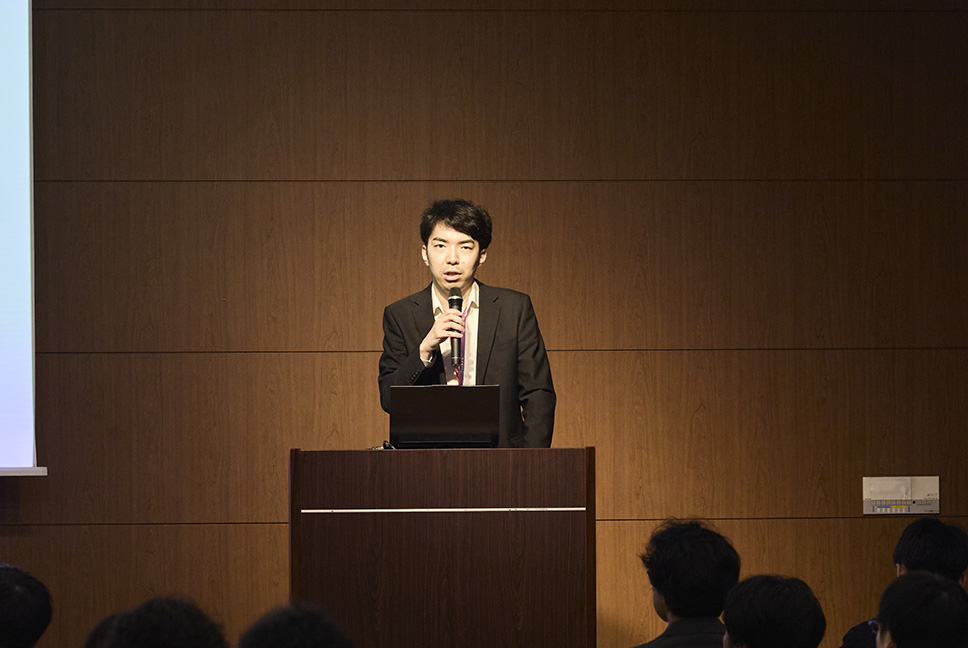
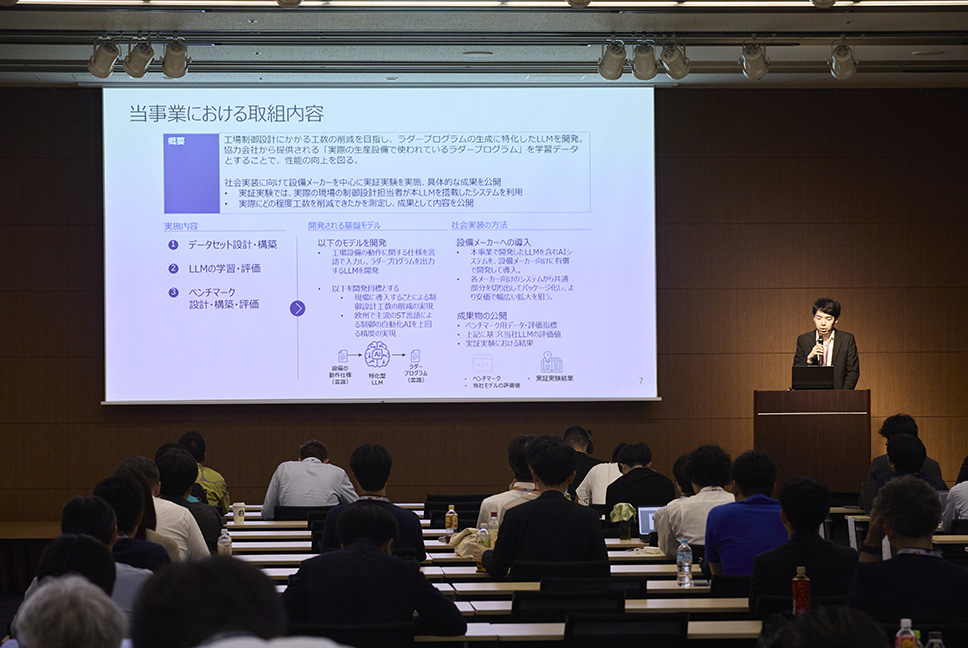
“We are developing a large language model specialized for ladder programs used in PLC control within the manufacturing industry. To address this niche programming language - something conventional LLMs have struggled with - we are collecting real data from equipment manufacturers and creating a model focused on generating mnemonics (instruction codes). Looking ahead, we plan to conduct validation using actual equipment, with the aim of supporting factory automation and efficiency while helping to offset the shortage of skilled engineers.” – Okuma
NexaScience Inc.
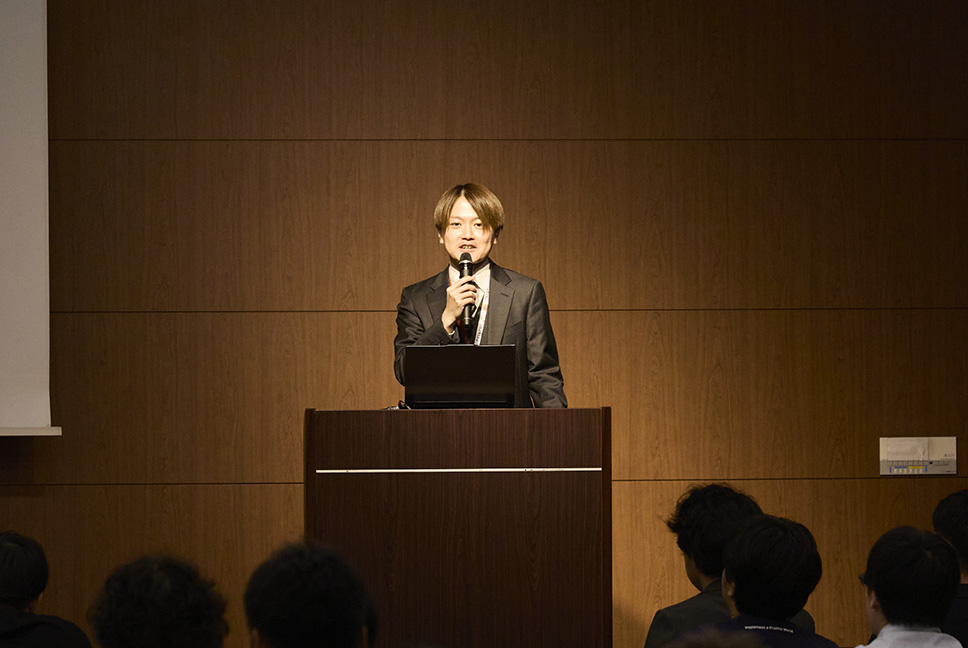
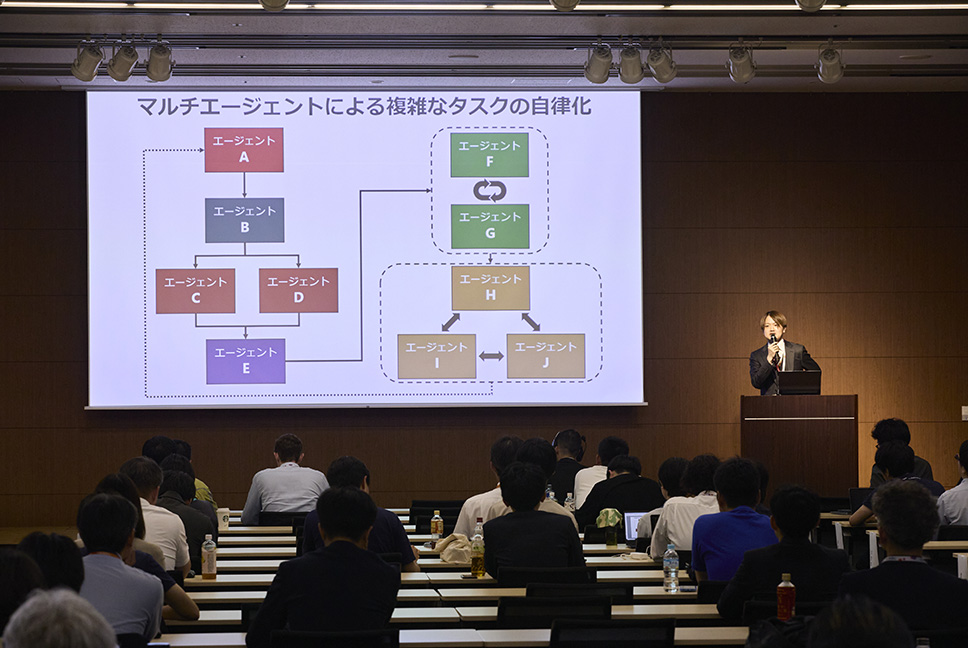
“Aiming to drive innovation in science and technology through AI, we are developing an autonomous R&D support platform powered by generative AI. Our in-house open-source system AIRAS has already automated processes ranging from literature search to experiment design and paper writing. In GENIAC’s 3rd Cohort, we are advancing research on an AI Agent Adapter, which enhances accuracy by coordinating multiple AI agents. By optimizing dialogue between agents, we seek to both streamline and advance the R&D process.” – Ushiku
Turing Inc.
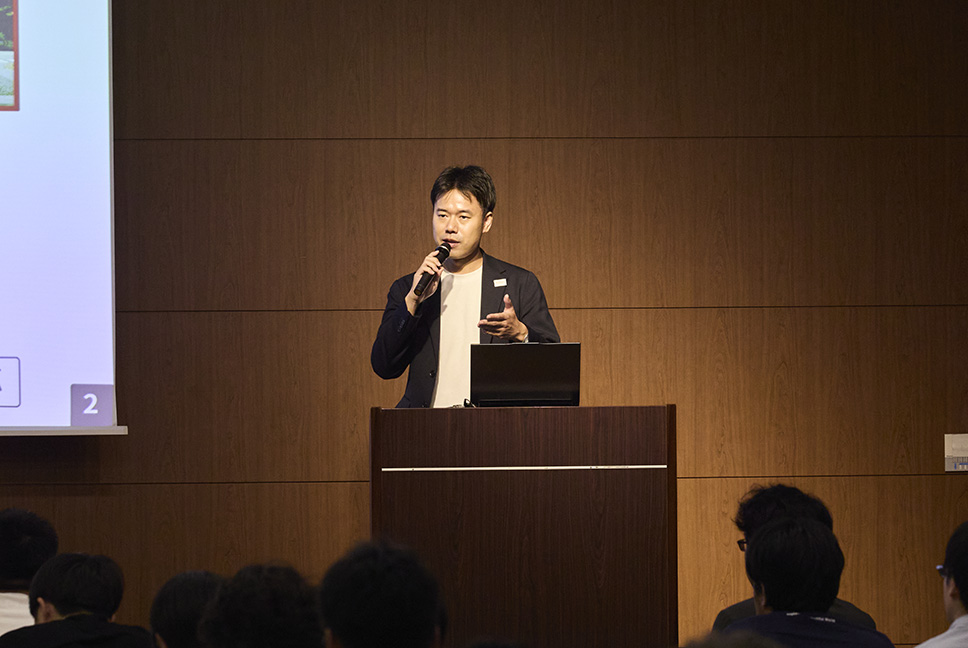
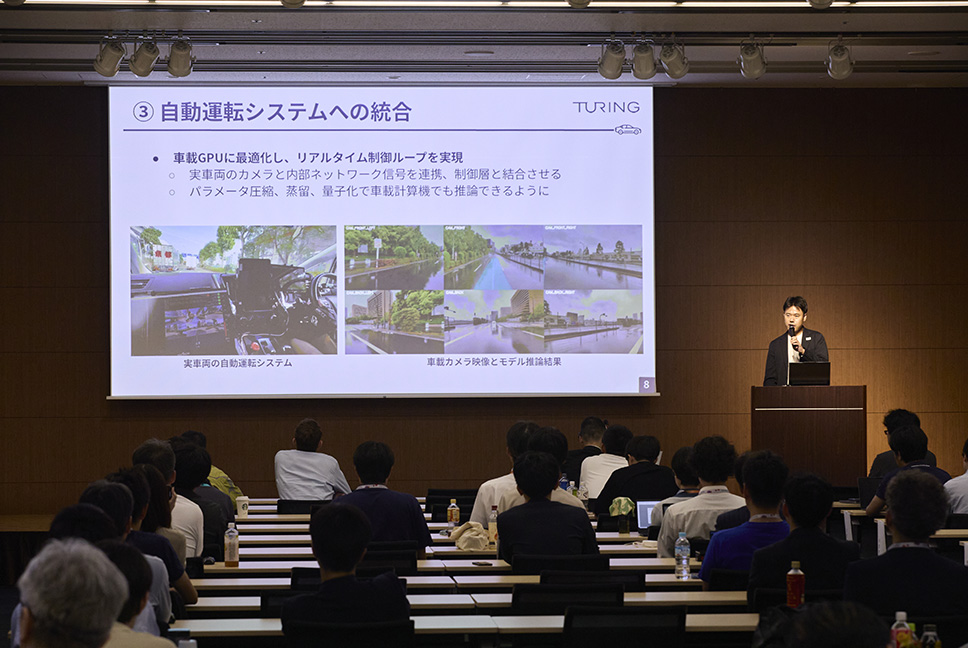
“With the goal of achieving fully autonomous driving, we are working on the development of a physical foundation model. In GENIAC’s 1st Cohort, we built a general-purpose vision-language model, and in the 2nd Cohort, we developed an autonomous driving foundation model trained on traffic domain data. In the 3rd Cohort, our focus is on building a multimodal model that can be integrated into real vehicles, supporting real-time inference on in-vehicle GPUs and token compression. Our aim is to create the next generation of autonomous driving AI, designed for operation in real-world driving environments.” – Yamaguchi
Alivexis, Inc.
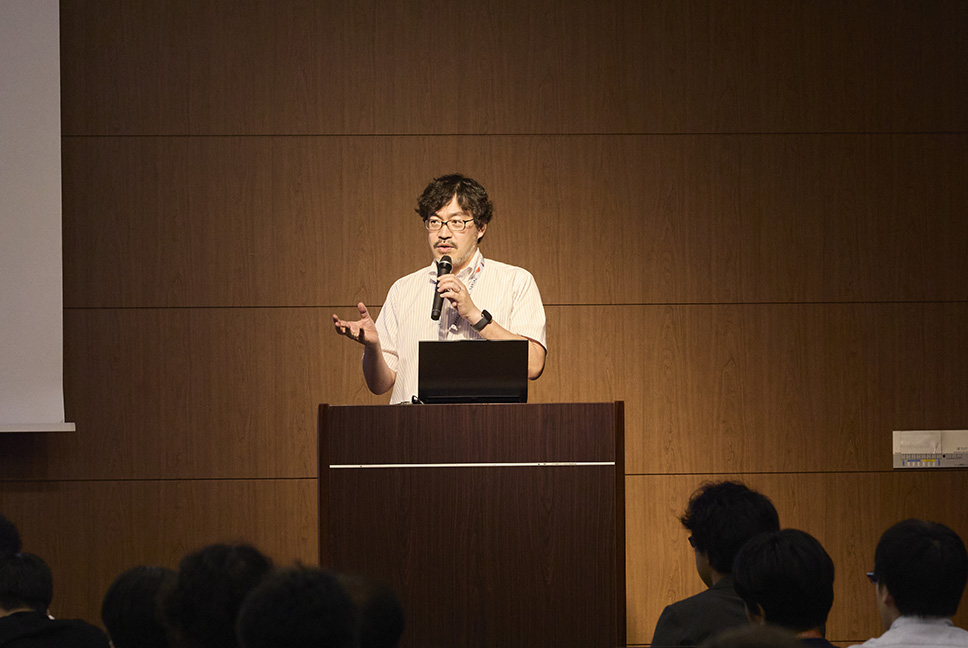
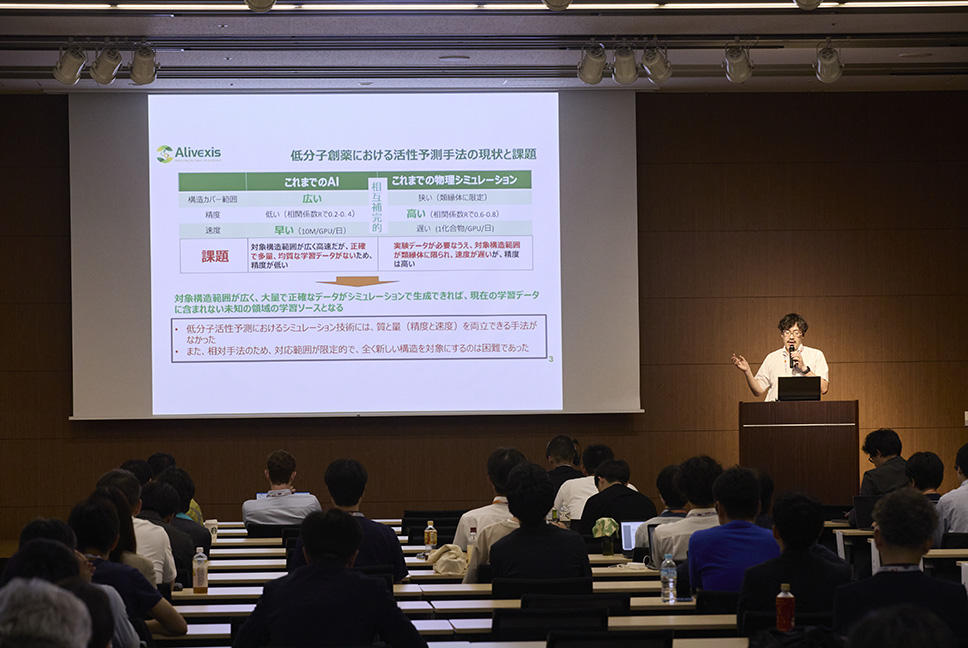
“We are developing a foundation model for drug discovery AI that can accurately predict the bioactivity of small-molecule compounds. Our proprietary molecular dynamics simulation system ModBind enables highly accurate and rapid predictions without relying on experimental data, and compounds identified through this method have already been successfully transferred to pharmaceutical companies. Looking ahead, we plan to combine this technology with AI and pursue active learning, with the goal of building the world’s most accurate drug discovery AI.” – Terada
SyntheticGestalt KK
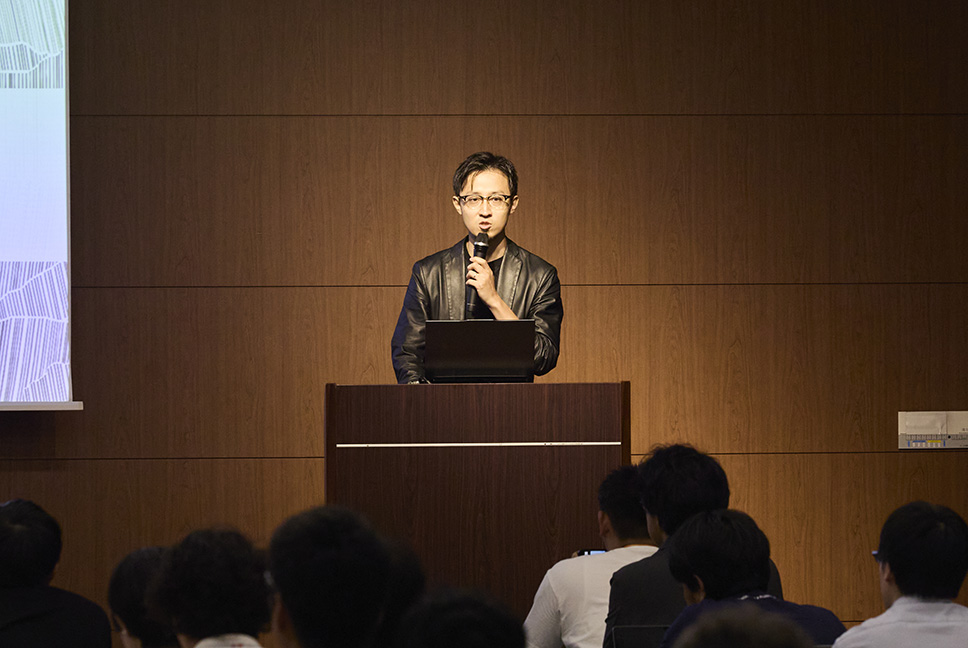
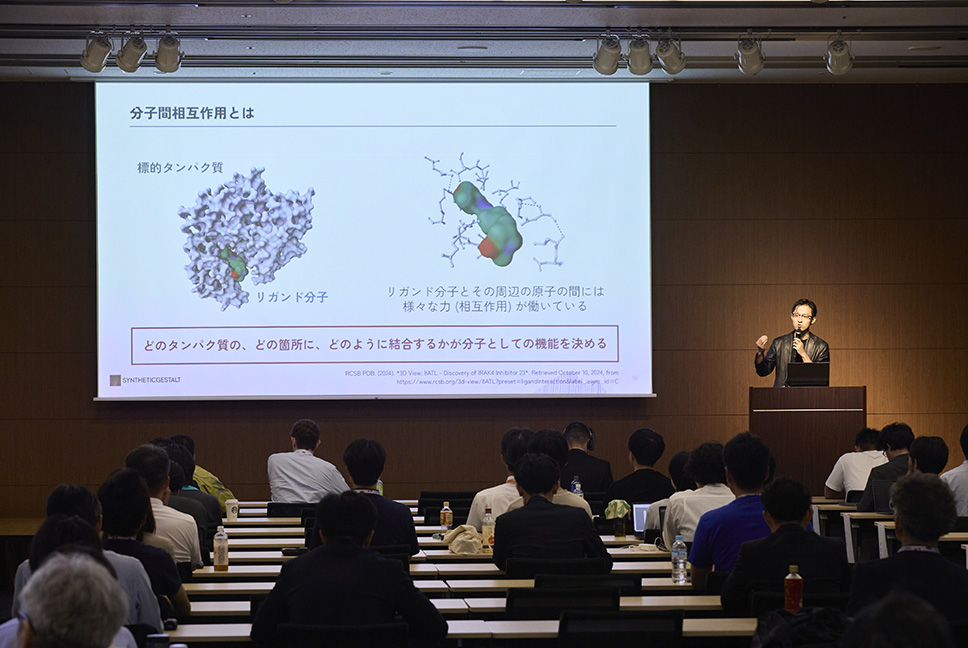
“Building on the achievements of SG4D10B, the world’s largest foundation AI model specialized in molecular information developed during GENIAC’s 2nd Cohort, we are now developing a foundation model for molecular interactions and a generative model that leverages it. By training on hundreds of millions of molecular interaction data points, the AI will be capable of generating ideal molecules that satisfy specified interactions. With potential applications spanning pharmaceuticals, agrochemicals, and environmentally friendly materials, our goal is to position Japan’s molecular AI at the forefront of the global stage.” – Shimada
Building the Foundations for Diverse Generative AI Applications: Presentations by 2nd Cohort Awardees of the Data Utilization Demonstration Project
Preferred Networks, Inc.
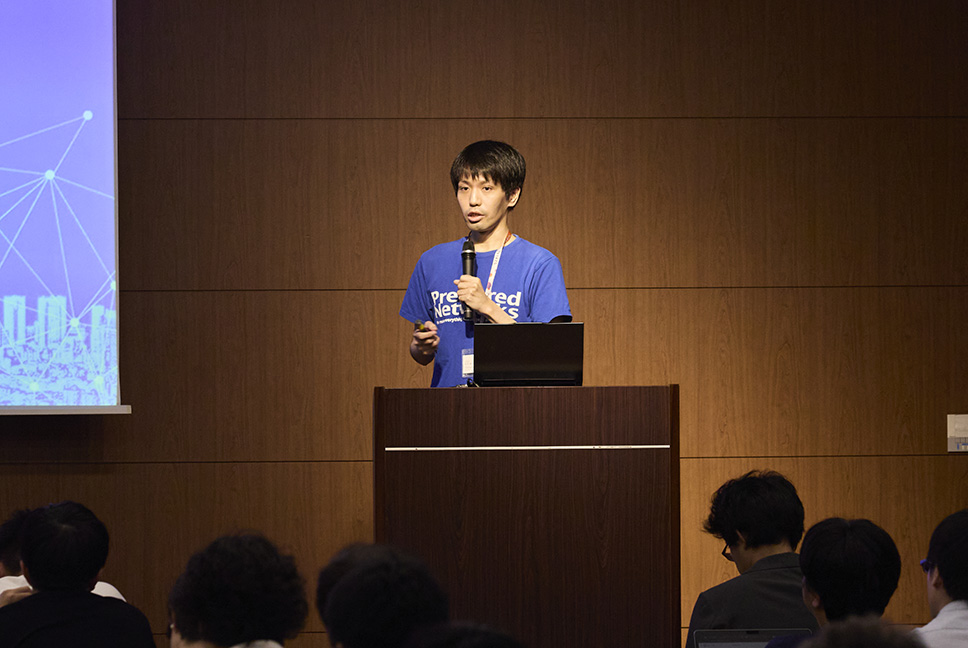
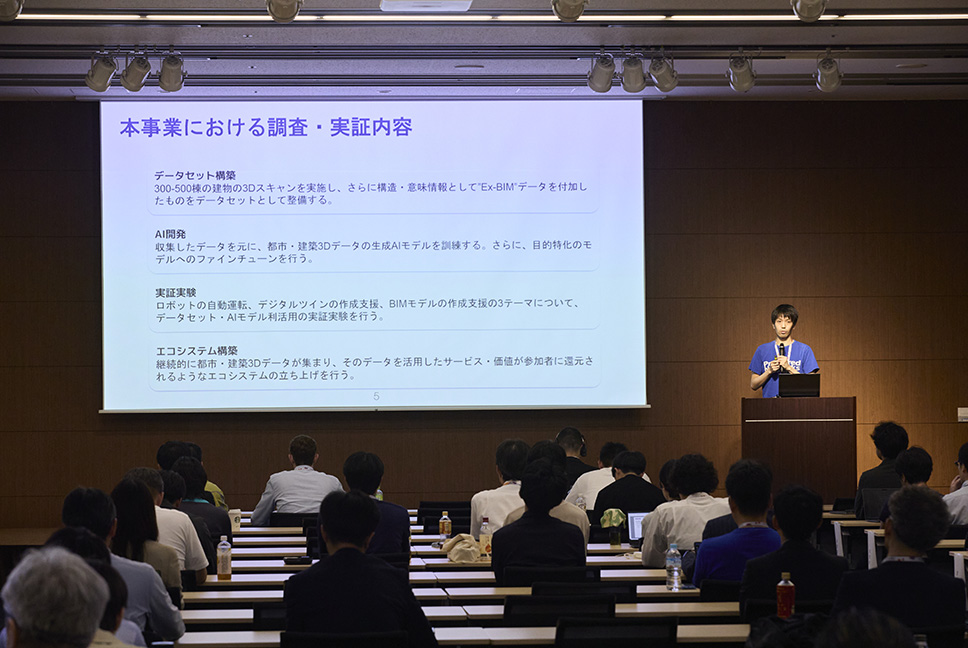
“At Preferred Networks, in collaboration with the University of Tokyo, we are working to build a ‘data ecosystem’ for collecting and organizing 3D data in the urban and architectural domains. In addition to high-precision 3D scans, we are preparing data for 300–500 buildings enhanced with our proprietary Ex-BIM data, which will serve as the foundation for developing generative AI models. We are also conducting demonstrations such as autonomous navigation by robots and BIM creation support. Looking ahead, our aim is to establish the foundations for AI that can work alongside people in real-world spaces.” – Matsumoto
Visual Bank Inc.
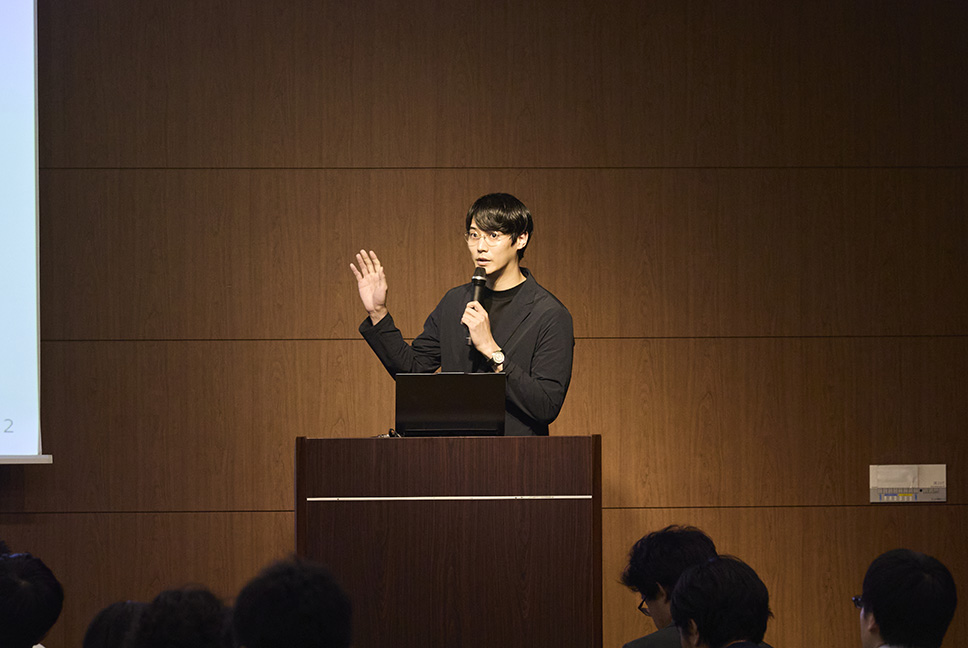
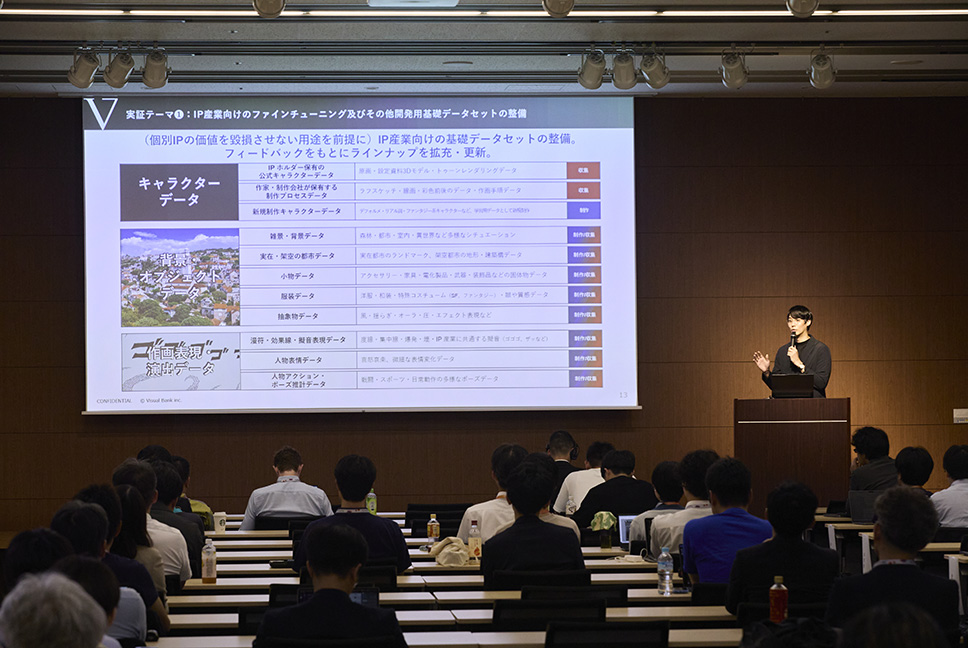
“We are working to build a data ecosystem that supports the development of generative AI specialized for the IP industry. This involves collecting and organizing copyright-cleared foundational data such as characters, backgrounds, and drawing styles, and developing them into a usable data library. In addition, we are conducting proof-of-concept demonstrations using our in-house drawing support AI, THE PEN. By bridging industry, technology, and intellectual property rights, our goal is to establish a Japan-born success model for ‘IP × AI.’” – Nagai
HEMILLIONS Corp.
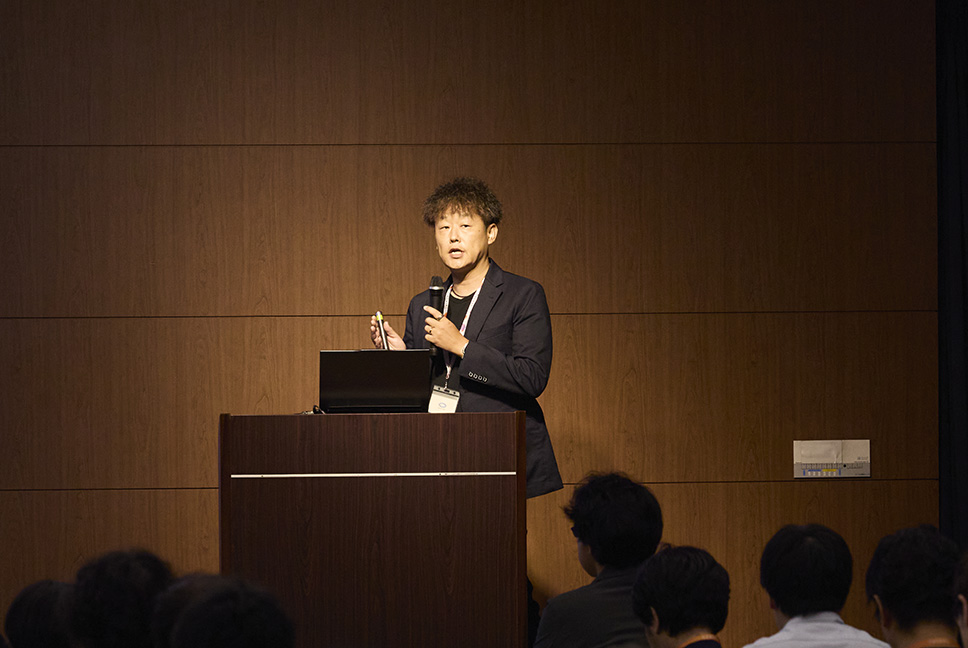
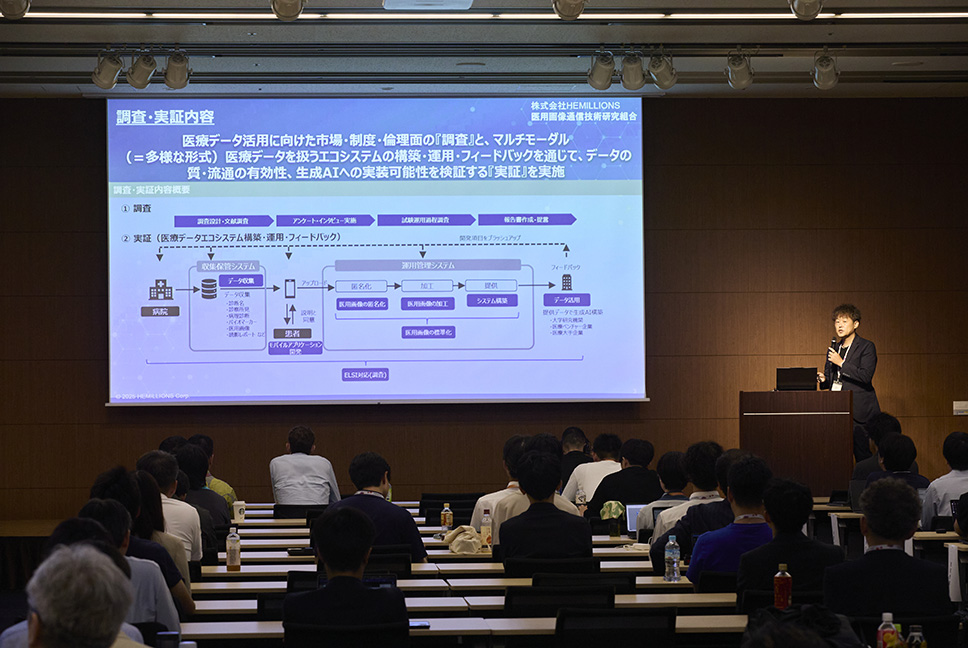
“At HEMILLIONS, in collaboration with the Medical Imaging Communication Technology Research Association, we are conducting research and proof-of-concept trials aimed at building an ecosystem that anonymizes and standardizes multimodal medical data—such as electronic health records and medical images—and manages the entire process from secondary use to generative AI implementation. This initiative also involves obtaining opt-in consent for patients’ Personal Health Records (PHR), examining regulatory and ethical considerations, and working with the University of Tokyo. Our goal is to establish a foundation where incentives circulate among medical institutions, patients, and companies alike.” – Inoue
AI Robot Association (AIRoA)
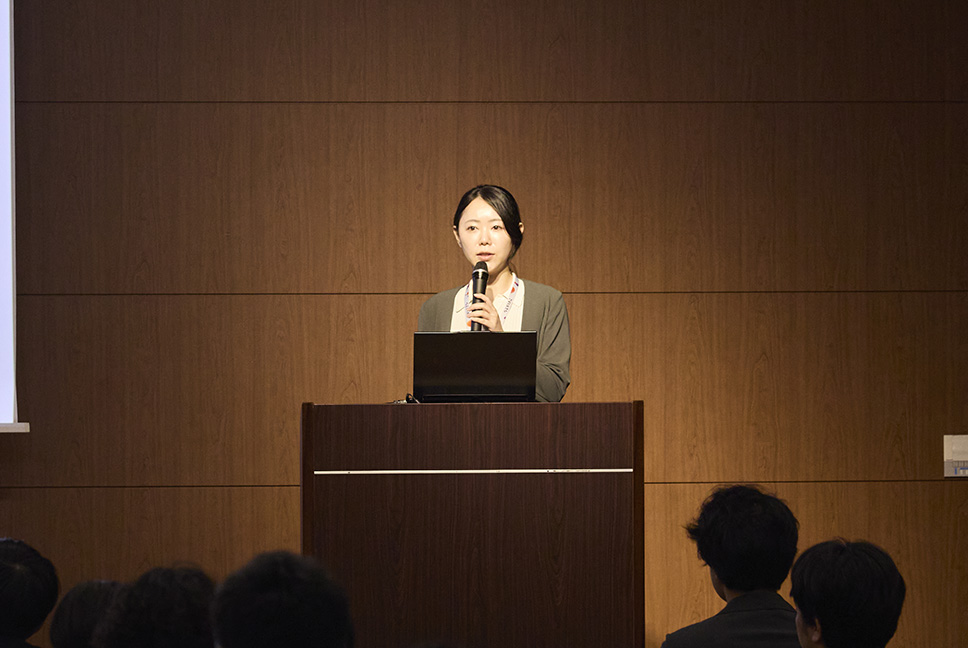
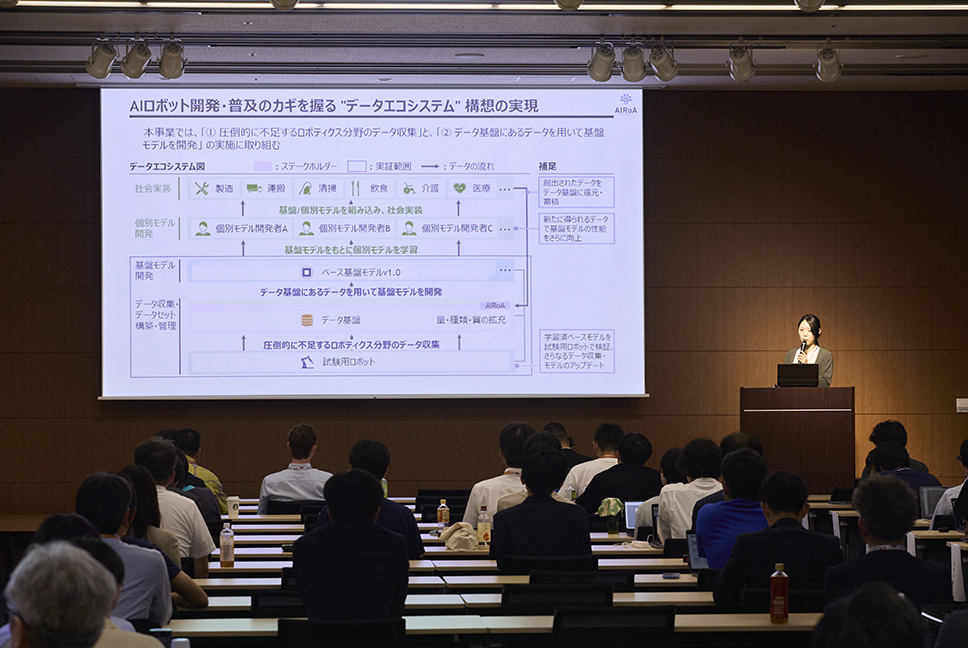
“At the AI Robot Association (AIRoA), we are working to build a data ecosystem that holds the key to the development and adoption of AI × robotics. Under this initiative, we will release an open dataset comprising 100,000 hours of real-world robot control and develop large-scale models on the order of tens of billions of parameters through a competition format. By using this project as a springboard, we aim to accelerate the adoption of AI robots across industries such as manufacturing, caregiving, and retail, creating a virtuous cycle of social implementation and performance improvement through both common platform development and domain-specific adaptation.” – Nogi
Strengthening AI Development Capabilities to Drive Japan’s Growth Strategy
To close the kickoff event, Kazuyuki Takada of NEDO reflected on the achievements of the GENIAC project to date and spoke about future initiatives for social implementation, as well as the use of NEDO’s diverse support programs.
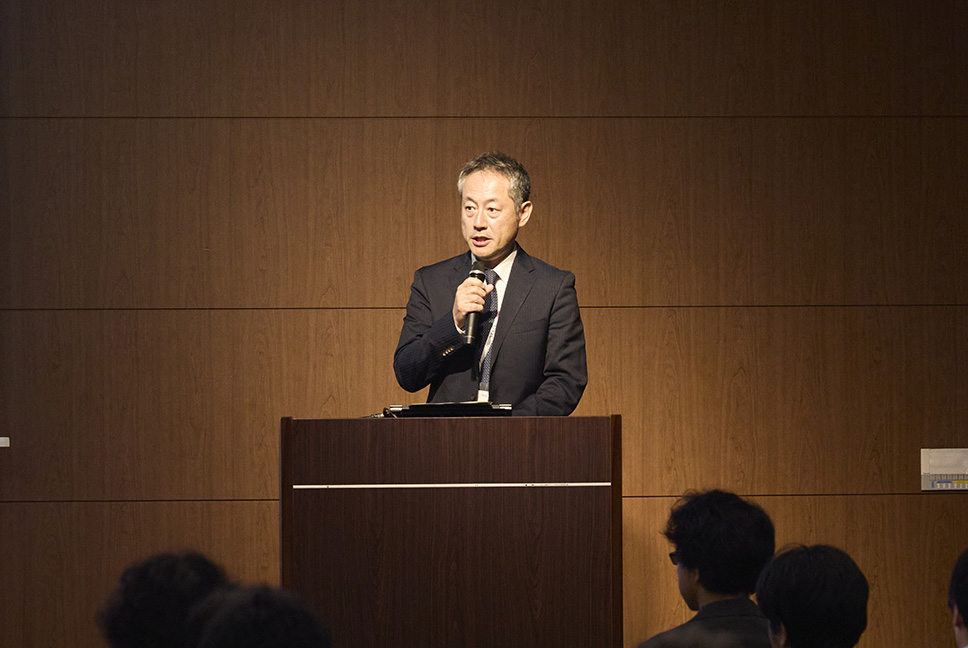
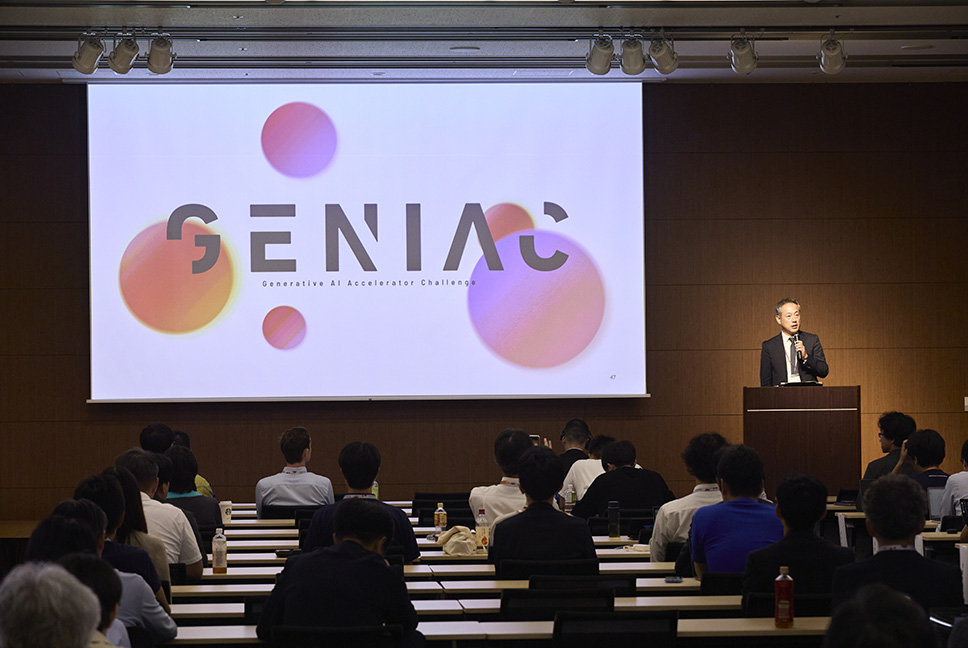
“GENIAC is a project designed to advance research, development, and social implementation of generative AI in Japan. In the first cycle, the focus was on large language models; in the second, support expanded to industry-specific models. Now, in the third cycle, the scope includes an even wider range of foundation model development. Already, proof-of-concept projects and application development are underway in areas such as smart cities and drug discovery, as well as in manufacturing, finance, and public services—showing growing momentum toward real-world deployment. As achievements continue to emerge, I look forward to seeing planned development, active dissemination, and strong collaboration with users. By leveraging NEDO’s support programs, let us work together to shape the future.” – Takada
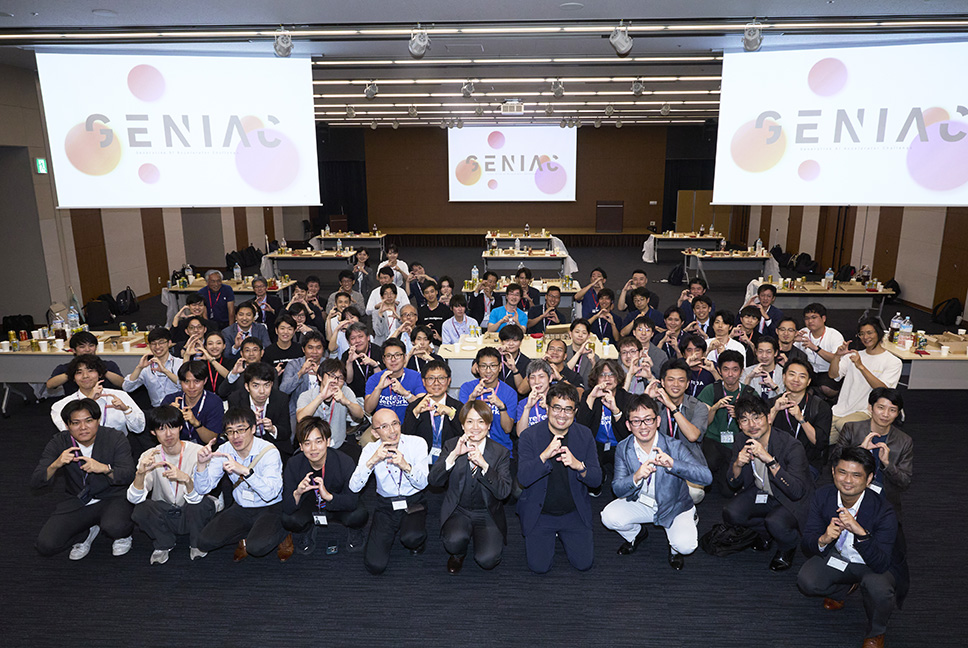
Following Takada’s closing remarks, participants gathered for a commemorative photo. The event concluded in a warm atmosphere, with awardees and stakeholders actively engaging in conversation. Please continue to watch for the progress of GENIAC’s third cycle.
GENIAC Top Page
