

2026/08/20
On Tuesday, January 28, 2025, the third business matching event was held to promote interaction among GENIAC foundation model developers, user companies, and venture capital firms. On the day of the event, a total of 30 companies—including application providers, user companies, and venture capital firms—and approximately 160 participants attended. Following presentations by the developers, active exchanges and discussions took place at individual booths set up for each developer within the venue.
This article provides an overview of the event.
Table of contents
- GENIAC Will Continue to Expand Further
- Matching with Corporate Needs Is Essential for the Adoption of Generative AI
- List of Developers Presenting at the Business matching event
- Highlights from the Business matching event
- Interviews with Developers
- Interviews with Participating Companies
- Summary of Presentations by Participating Developers
GENIAC Will Continue to Expand Further
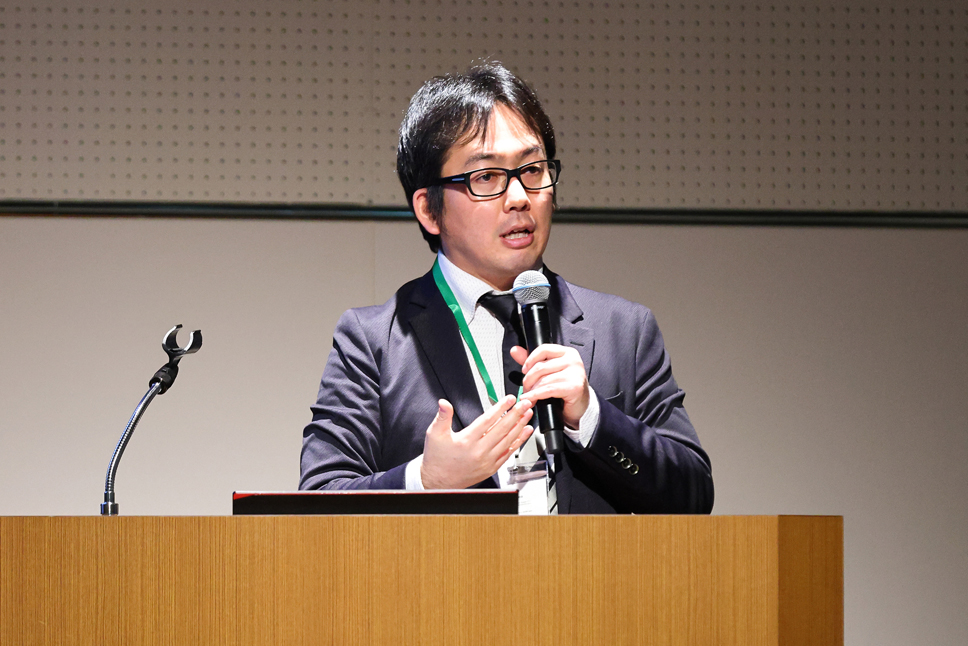
On the occasion of the third business matching event, Takuya Watanabe, Director of the Information Technology Industry Division, Commerce and Information Policy Bureau, Ministry of Economy, Trade and Industry (METI), provided an overview of the GENIAC project since its launch in February 2024, including its initiatives to date, the objectives of this business matching event, and its future developments.
“GENIAC is a project aimed at ensuring Japan’s sustainable development capabilities in generative AI and promoting its social implementation. To date, we have conducted multiple public calls and events to provide essential computing resources for generative AI development, establish a data ecosystem, and promote exchanges among domestic and international developers and policymakers.
This third business matching event aims to facilitate discussions and collaboration between companies selected under the computing resource support program and companies promoting the utilization of generative AI, with the goal of accelerating the social implementation of practical and competitive domestically developed generative AI models that incorporate industry needs.
In addition, GENIAC plans to launch this summer a prize-based public call aimed at promoting the development of generative AI services for specific use cases, alongside the third phase of the computing resource support program and the second public call for demonstration projects on data and generative AI utilization. Furthermore, to strengthen global competitiveness, we will promote further expansion of community activities with a view to supporting overseas market development and fostering human resources.” (Watanabe)
Matching with Corporate Needs Is Essential for the Adoption of Generative AI
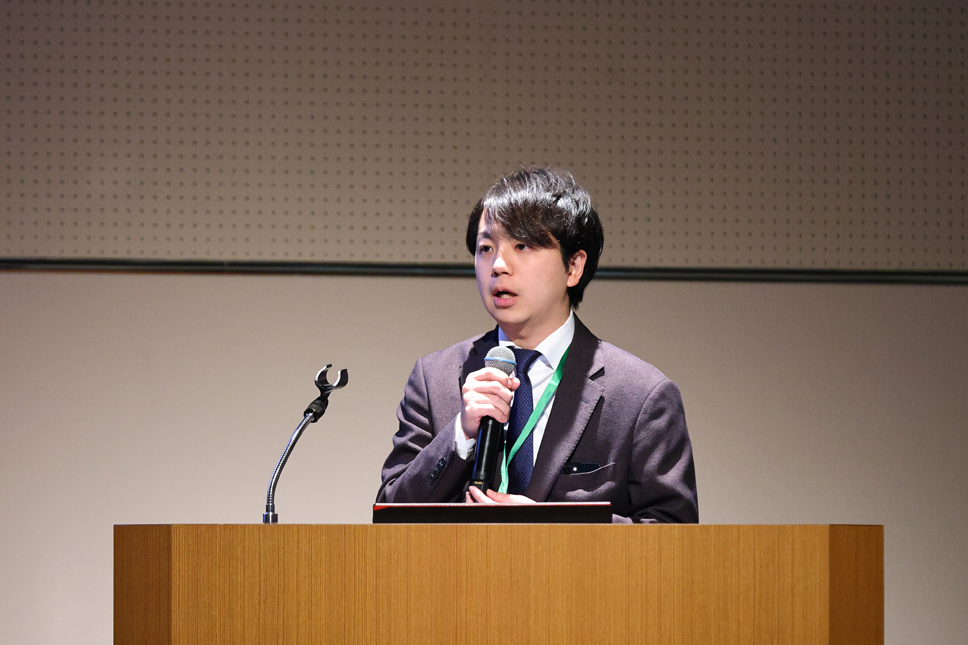
Ryosuke Iwai, who serves as overall lead at BCG (Boston Consulting Group), the administrative office for GENIAC, provided an explanation of the objectives of the GENIAC community, the current state of generative AI utilization in Japan and the United States, as well as the significance and operational approach of this business matching event.
“GENIAC is an industry–government–academia collaborative community aimed at promoting the advancement and social implementation of generative AI technologies in Japan. It connects developers, application companies, user companies, and venture capital firms to accelerate the utilization of generative AI.
This business matching event aims to provide opportunities for application companies and user companies to leverage generative AI models offered by developers and to translate these opportunities into concrete implementation in business operations. Compared with global trends, the utilization of generative AI in Japan still lags behind, with a particular challenge being its limited adoption at the operational level compared with the executive level.
Therefore, promoting the adoption of generative AI in companies’ core operations (such as manufacturing and design) and disseminating best practices are essential for advancing the adoption of generative AI and improving productivity in Japan. We encourage you to take full advantage of this opportunity for developers, application companies, and user companies to collaborate and match technologies with business needs.” (Iwai)
List of Developers Presenting at the Business matching event
A total of 17 developers listed below presented at this event. For details of the presentations, please refer to the links below.
- DATAGRID Inc.
- Future Corporation
- NABLAS Inc.
- Ricoh Company, Ltd.
- Stockmark Inc.
- AldeaLab Inc.
- AiHUB Inc.
- Kotoba Technologies Japan KK
- Karakuri Inc.
- ABEJA, Inc.
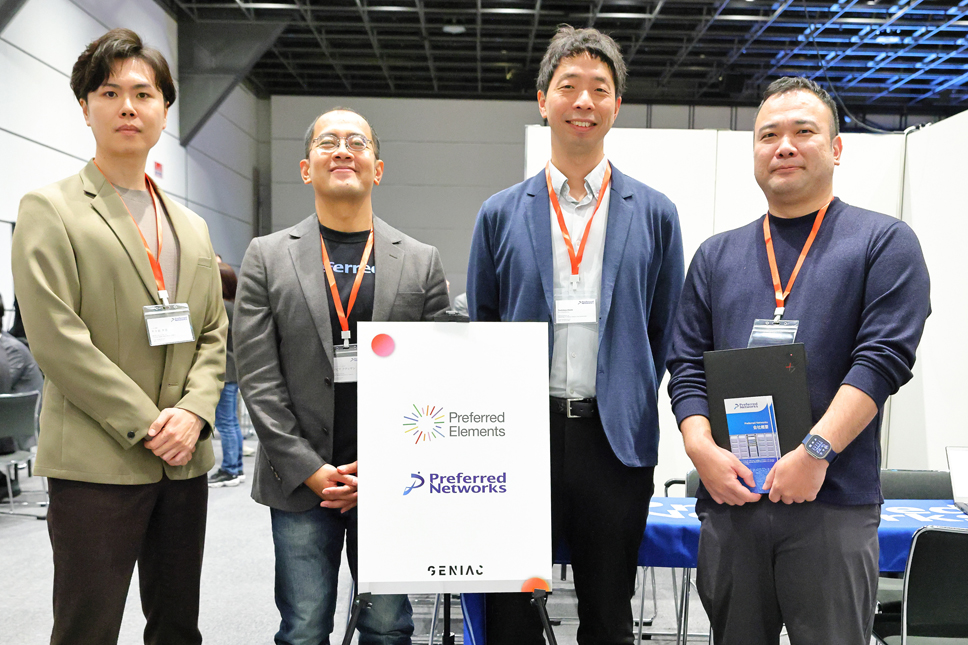
- Preferred Elements, Inc. / [Co-proposer] Preferred Networks, Inc.
- Japan Agency for Marine-Earth Science and Technology (JAMSTEC)
- Humanome Lab., Inc.
- EQUES Inc.
- SyntheticGestalt KK
- Deepreneur Inc.
Active Exchange of Views Between Developers and User Companies
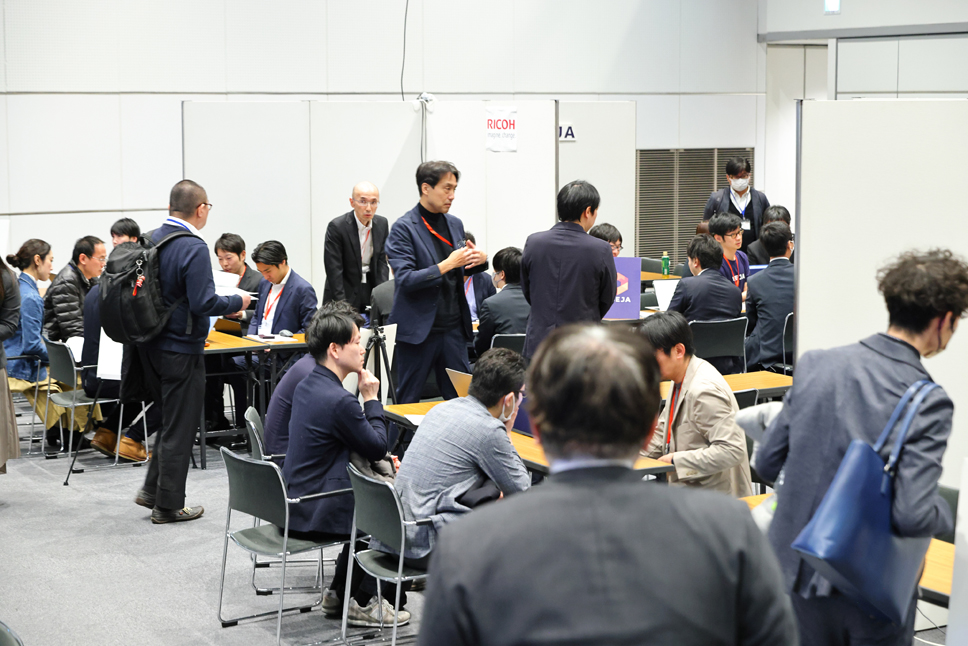
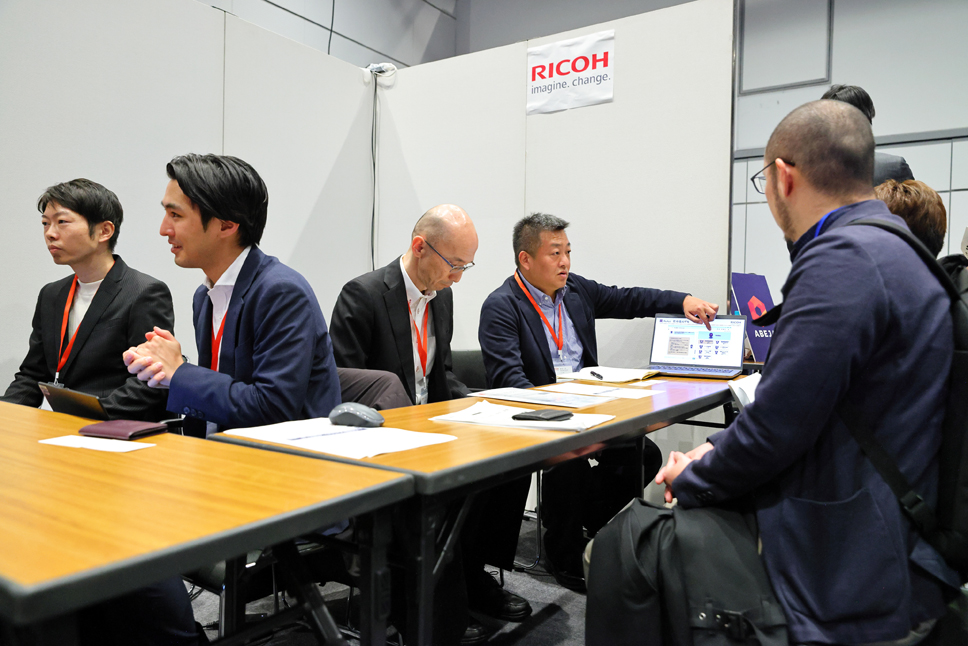
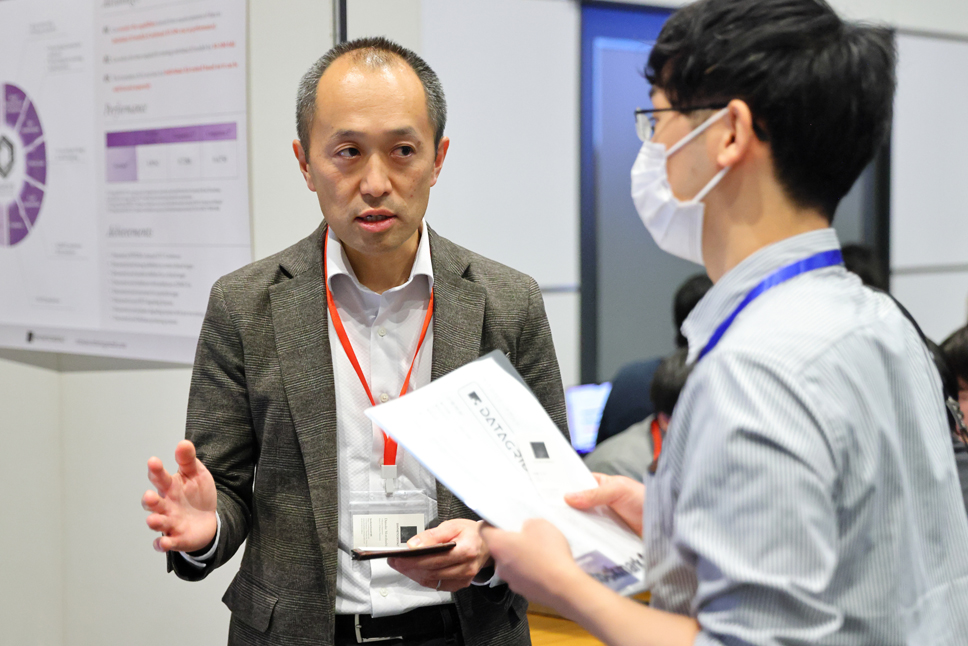
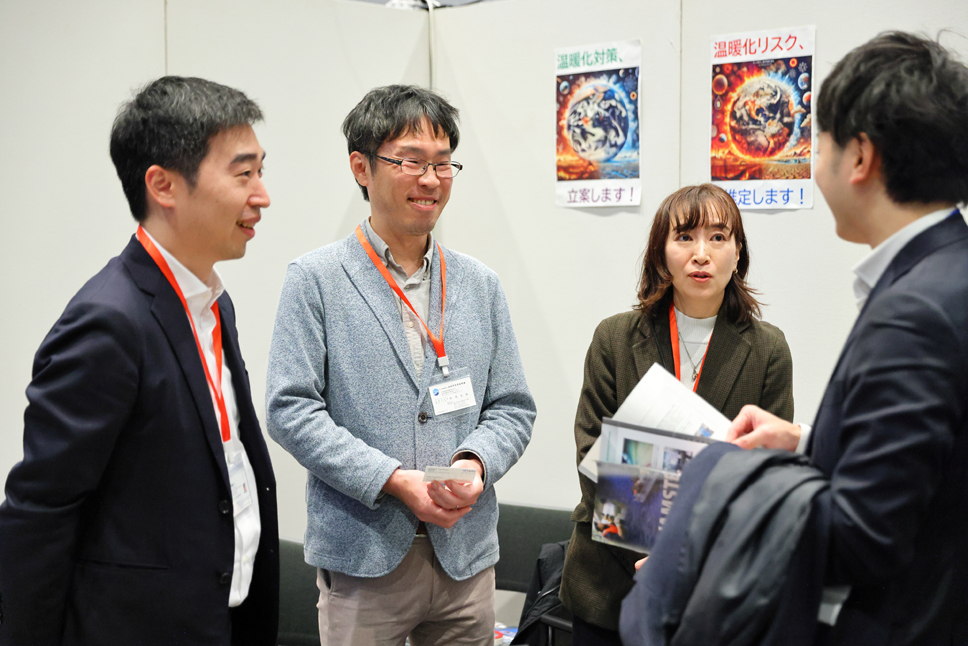
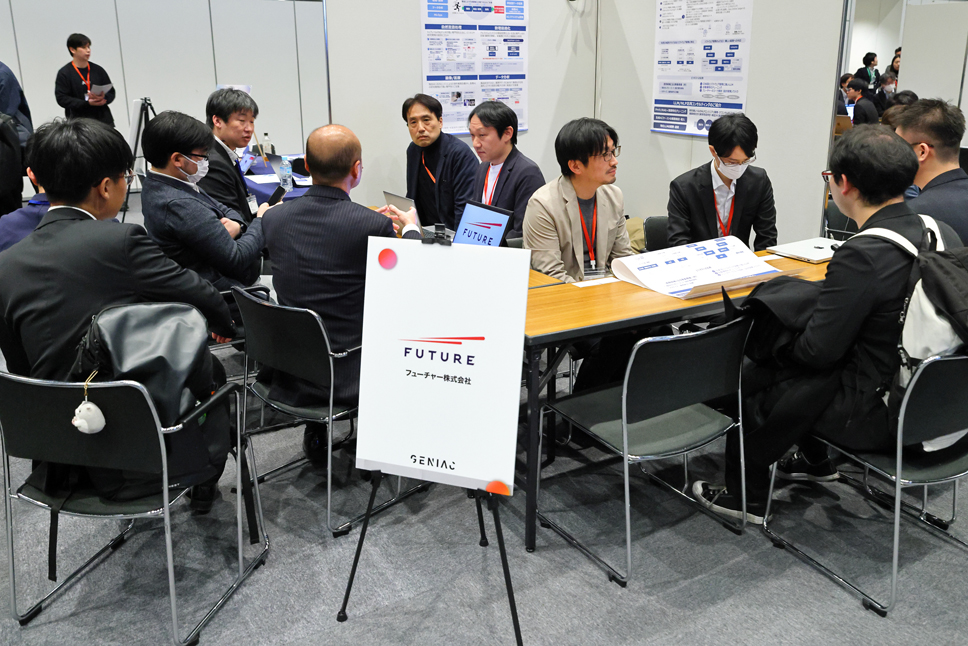
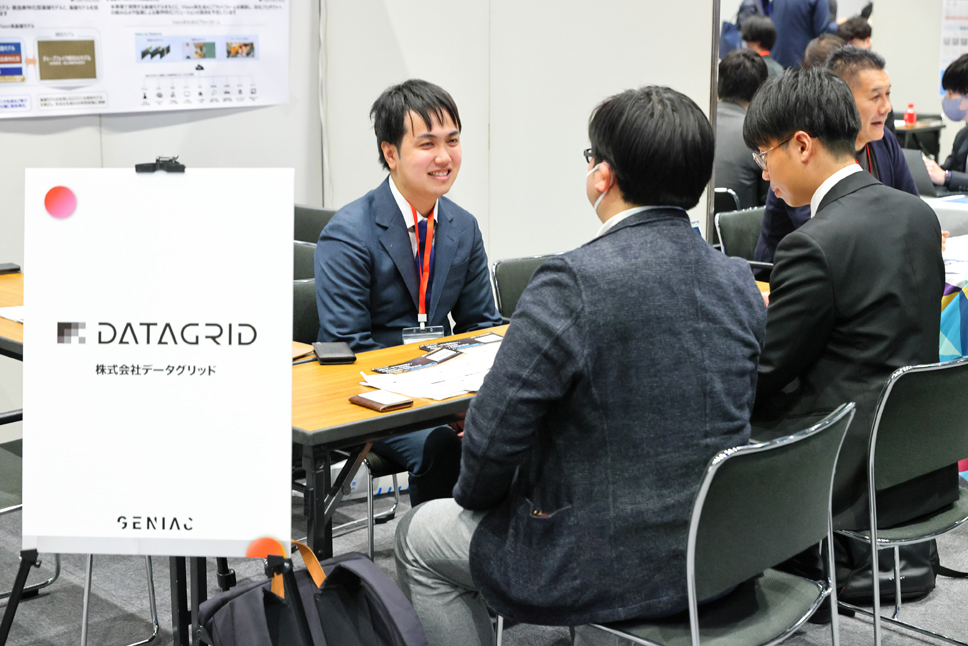
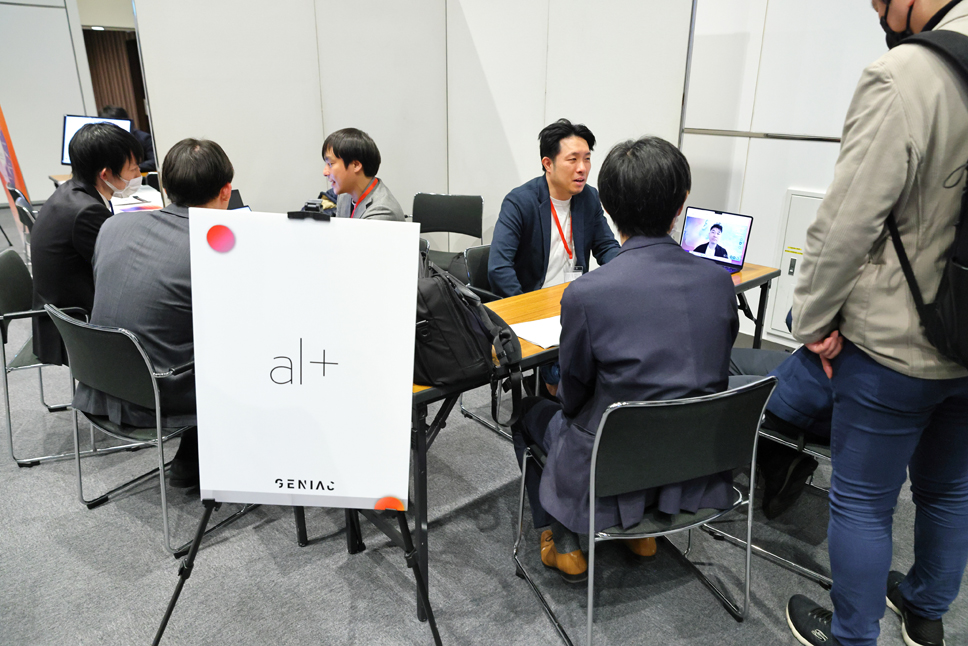
During the matching session, each developer conducted demonstrations of AI models under development and the services they provide at their respective booths, drawing a wide range of questions from representatives of application development companies and user companies. Many cases also progressed to concrete business discussions.
Interviews with Developers
Among the developers who participated in the third business matching event, we present comments from Karakuri Inc. and DATAGRID Inc., both of which were selected in the second phase of the Computing Resource Support Program.
Comments from Karakuri Inc.
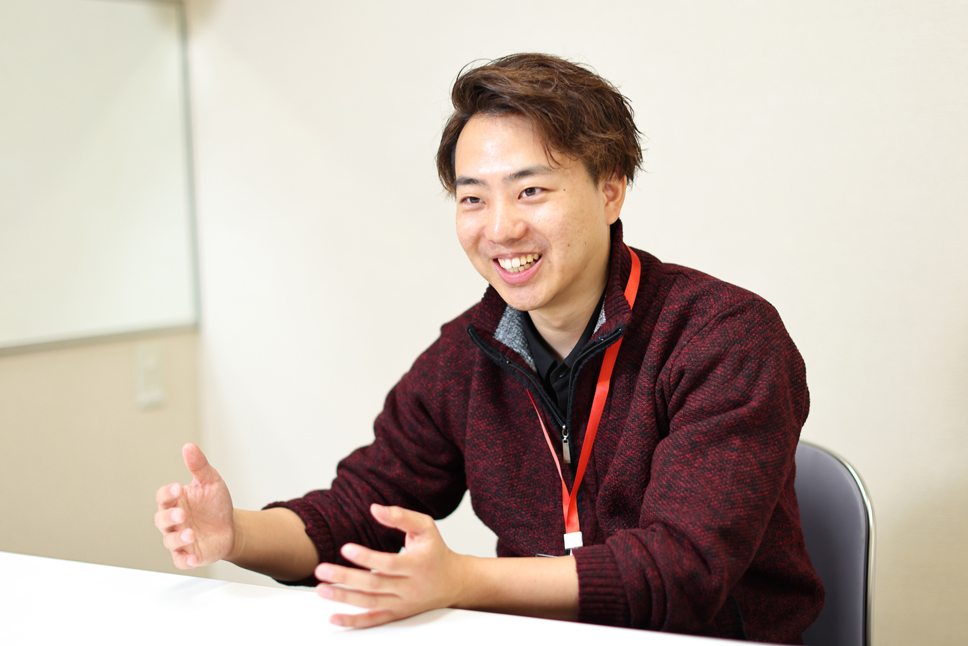
Tomofumi Nakayama of Karakuri Inc., which promotes the use of AI technologies specialized in the customer support domain, commented on the origins of their development efforts: “Our business was initiated when our CEO, Shimon Oda, drew on his experience managing a call center and strongly recognized the need for improving operational efficiency through AI. While this is an important societal issue, on a personal level, my own motivation was also shaped by witnessing the harsh working conditions when my wife worked in customer support.”
Regarding their impressions of participating in the business matching event for the first time, he stated: “The scale of the event exceeded our expectations, and it was impressive to see so many companies in attendance. Rather than simple networking, there were several companies that appeared likely to move toward concrete business discussions, expressing interest such as ‘we would like to consider implementation,’ which made us feel that our product aligns well with on-site needs. Another notable aspect was that many participants were engineers with a strong interest in AI models and their underlying mechanisms. We received numerous technical questions such as ‘How is this level of accuracy achieved?’, making it a valuable opportunity for participants to better understand Karakuri’s technological capabilities.”
Nakayama also commented on the questions frequently raised at the event, Karakuri’s future direction, and expectations for future events: “At this event, we received particularly many questions related to voice-based applications. While Karakuri is not currently addressing this area, we recognize it as an important issue and will consider developing voice AI going forward. In addition, we will continue working on data preparation utilizing generative AI, as well as the development of more advanced conversational AI, with the aim of delivering highly refined solutions. We also felt that there were limited opportunities for participating companies to share information with one another, so having a forum to better understand other companies’ challenges and technological trends could lead to more practical learning.”
Comments from DATAGRID Inc.
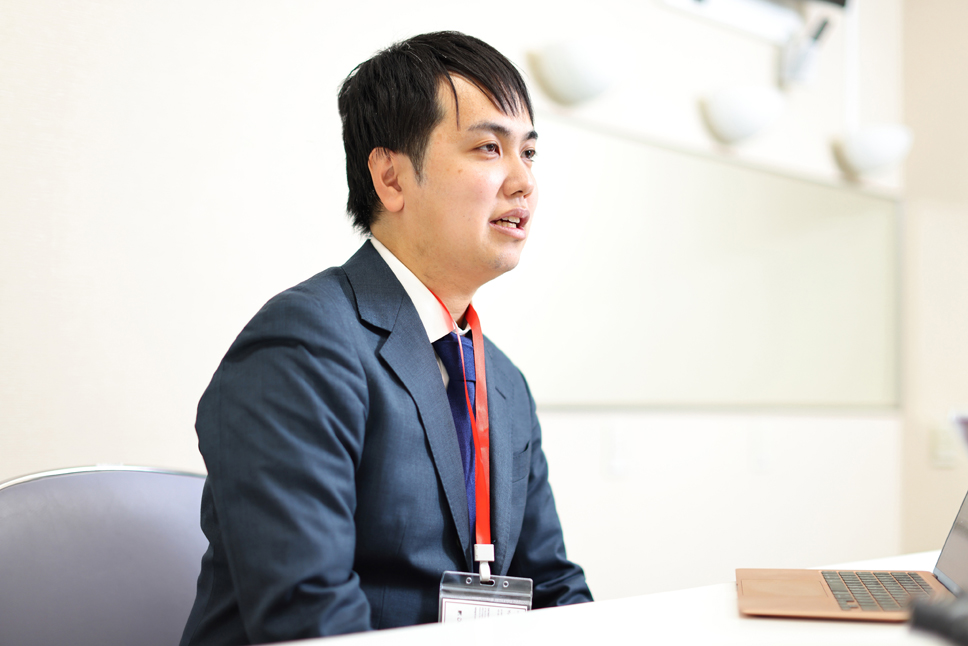
DATAGRID Inc., a generative AI startup originating from Kyoto University, has been consistently engaged in research and development of video and image generation AI since its founding in 2017. In recent years, the company has been incorporating its technologies into “Anomaly Generator,” an image data generation platform for the manufacturing industry. Yu Saito, Head of Technology, explained the background behind their generative AI product for manufacturing: “It originated from a joint technical development project with Sumitomo Electric Industries, launched in 2021, focusing on defect detection AI in manufacturing settings. Japan’s manufacturing industry is highly advanced, and defective products rarely occur. However, this also means there is a shortage of images needed to train AI on defective conditions. This challenge is common across the manufacturing sector and can also be applied to fields such as pharmaceuticals and food production.”
Selected under the second phase of the Computing Resource Support Program and participating in the business matching event for the first time, Saito commented on the outcomes of the event: “We found it to be a highly meaningful opportunity to showcase AI applications specialized for the manufacturing industry. During the matching session, representatives from the visual inspection division of an electrical equipment manufacturer expressed an immediate interest in implementation, and a general trading company indicated interest in exploring the potential for joint business development. In addition, although unexpected, we were able to engage in discussions with an e-commerce service provider on logistics optimization and the potential use of generative AI, which was particularly stimulating.”
Saito also shared reflections on the event and expectations for the future: “As a challenge unique to startups, I was the only person managing our booth, which made it difficult to respond to a large number of inquiries simultaneously. While I spoke with representatives from around 10 companies, I felt that there was insufficient time for in-depth discussions. The event also provided a valuable opportunity to meet other developers working on image and video generation AI in person. Going forward, we hope that enhanced information sharing among developers and user companies will lead to the emergence of new use cases.”
Interviews with Participating Companies
We present comments from Japan Airlines Co., Ltd. (JAL) and Yokogawa Digital Corporation, both of which participated in the third business matching event as user companies.
Comments from Japan Airlines Co., Ltd. (JAL)
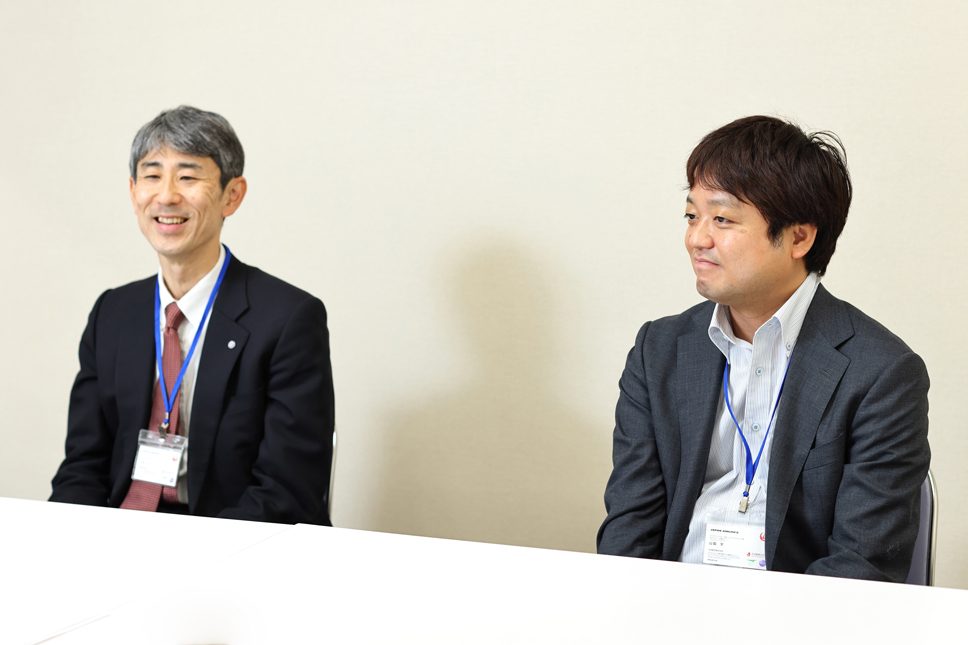
At Japan Airlines Co., Ltd. (JAL), a system has been developed in which employees can query an AI that has been trained on internal information such as rules and manuals, and receive responses from the AI. Taichi Adachi, who is responsible for AI implementation at the Digital Technology Division, commented: “However, new challenges have emerged, such as the AI’s difficulty in interpreting charts and diagrams, and the need to modify files in order to achieve the required level of response accuracy. We are therefore considering improvements to the system as well as the introduction of new solutions.”
To obtain information on technologies that could address these challenges, Adachi and Manabu Yamawaki participated in the business matching event. They noted that they had previously had few opportunities to hear directly from Japanese AI developers. “There were more developers than we had expected, but the event progressed efficiently, allowing us to speak with many companies in a short period of time. It was also a significant outcome that we were able to engage in concrete discussions that could lead to actual business negotiations,” said Yamawaki.
Regarding their overall impressions of the event and future expectations, Adachi commented: “Having the opportunity to speak directly with engineers was extremely valuable for gathering information. On the other hand, as waiting times for meetings were relatively long, we believe that a more efficient mechanism for engaging with a larger number of companies would enable more meaningful matching.”
Comments from Yokogawa Digital Corporation
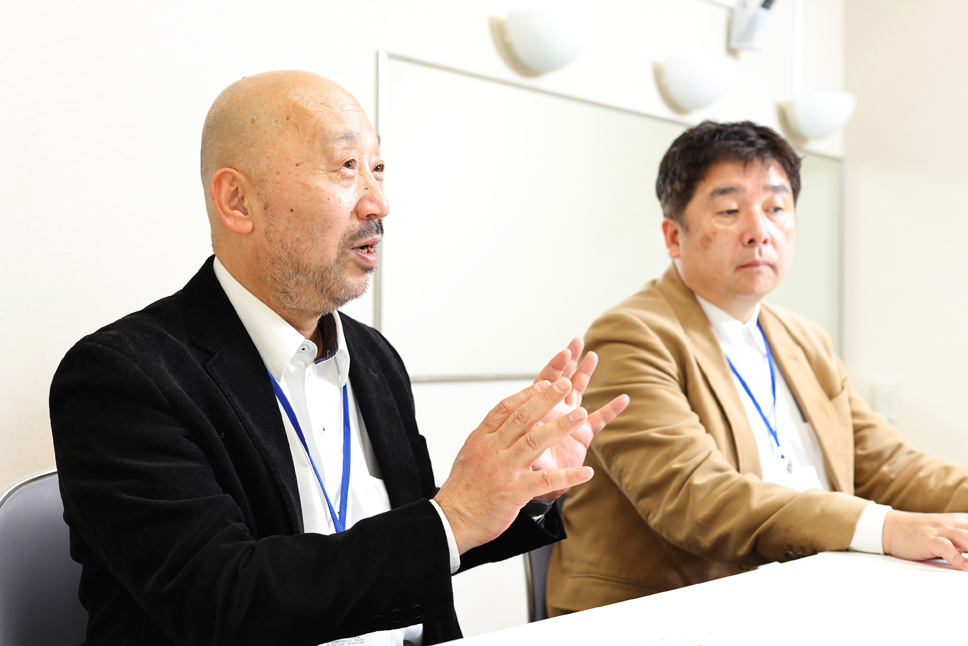
Yokogawa Digital Corporation was established in 2022 as a wholly owned subsidiary of Yokogawa Electric Corporation and primarily provides consulting services on OT (operational technology) strategies and DX promotion for the manufacturing industry. Keiichiro Kobuchi of the Enterprise AI Promotion Office, who oversees AI utilization across the YOKOGAWA Group, explains: “The separation between corporate IT departments and OT departments at factories has become a barrier to DX promotion, so we provide consulting services that take a comprehensive, end-to-end perspective.”
At this second participation in the business matching event, the company paid particular attention to the speech foundation model provided by Kotoba Technologies Japan. “The YOKOGAWA Group has long pursued global expansion, and already 40% of our department consists of non-Japanese speakers. For this reason, we have high expectations for enhancing communication through simultaneous interpretation. Currently, we use live transcription features in online meetings, but as specialized terminology is frequently used, we are seeking further improvements in AI-based translation accuracy,” said Obuchi.
Kenichi Ohara of the same office also expressed strong interest in foundation models specialized for the pharmaceutical and chemical sectors and noted that he engaged with all relevant developers during the matching session. “Compared to the previous event, the scale has expanded, and there appears to be an increase in AI developers targeting the manufacturing industry. For example, in pharmaceuticals, various challenges arise when transitioning from the laboratory stage to the production line. As this is a key customer segment for the YOKOGAWA Group, we have a strong interest in AI-driven solutions. Going forward, it could be valuable to create opportunities for user companies to exchange views with one another.”
They also noted that there were many presentations that attracted their interest, including a climate-related risk assessment model presented by the Japan Agency for Marine-Earth Science and Technology (JAMSTEC). “When natural disasters occur, factories face risks such as holding excessive inventory. We believe this is a topic of high interest for management in the manufacturing industry. Yokogawa Digital aims to realize ‘AI-first manufacturing,’ and we intend to first test AI ourselves and provide solutions to our customers after confirming their effectiveness in improving operational efficiency,” said Obuchi.
Summary of Presentations by Participating Developers
An overview of the presentations delivered by developers who presented AI foundation models is provided below.
DATAGRID Inc.
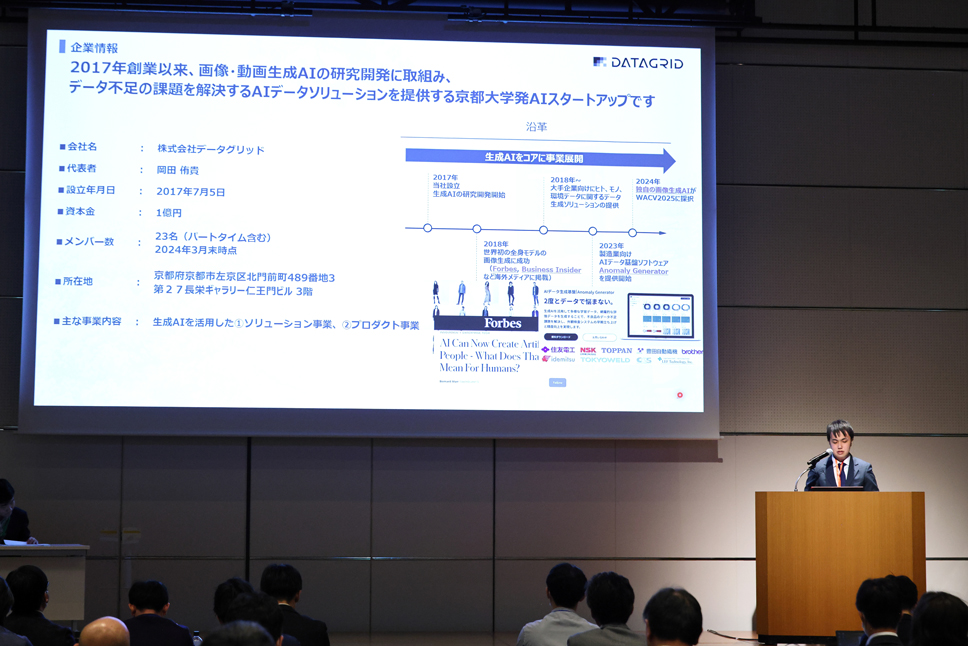
DATAGRID Inc. is an AI startup founded from Kyoto University in 2017 that has been engaged in research and development of video and image generation AI. Under the GENIAC initiative, the company aims to develop a vision-based foundation model capable of generating data in line with user intent, with potential applications such as modifying specific elements within video content and generating visual inspection data for the manufacturing industry. In addition, the company is concurrently developing deepfake detection models and plans to build a vision AI platform for deployment across a wide range of industries in the future.
Future Corporation
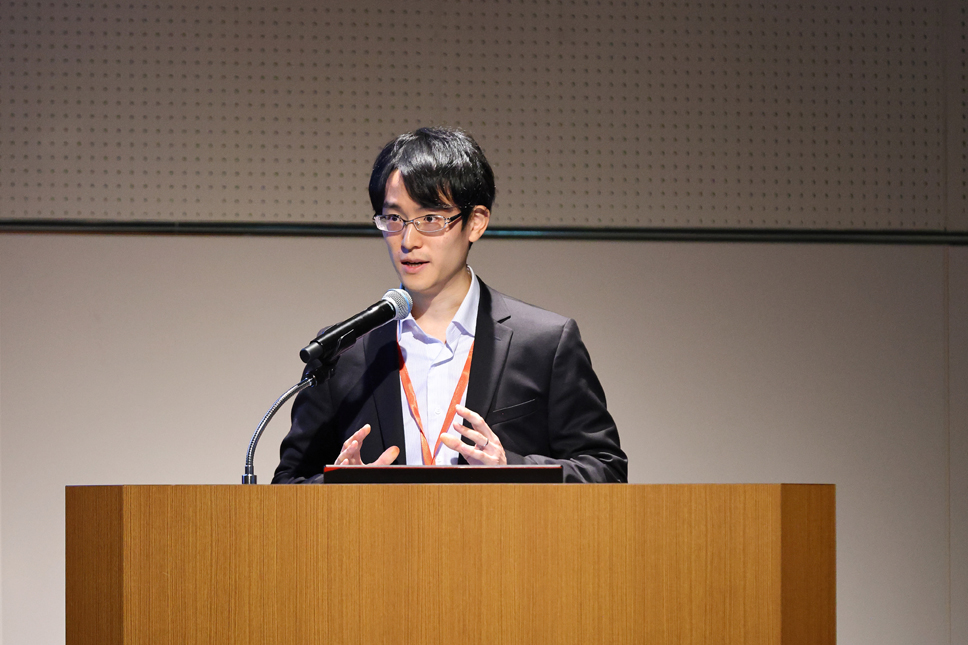
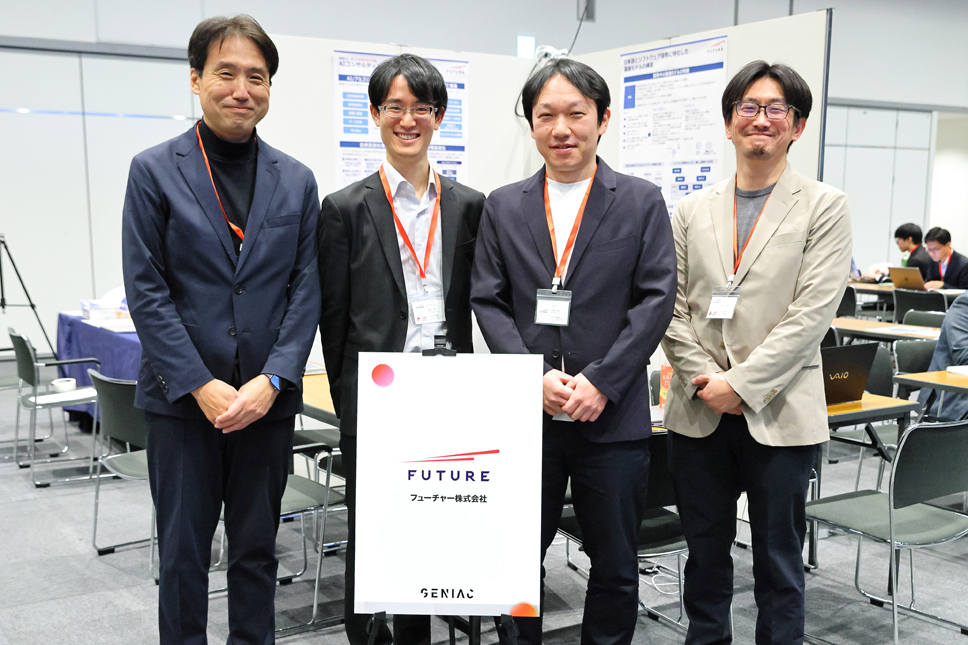
Future Corporation is an IT consulting firm that provides end-to-end support, from business strategy and operational reform to system development. The company is currently developing a foundation model with strengths in the Japanese language and software development. By creating new evaluation datasets designed with practical development in mind, it aims to enable code generation from Japanese-language design documents and support advanced software development. The model has already demonstrated performance surpassing Llama on certain tasks, making it possible to support companies facing challenges in improving software development efficiency and leveraging internal data.
NABLAS Inc.
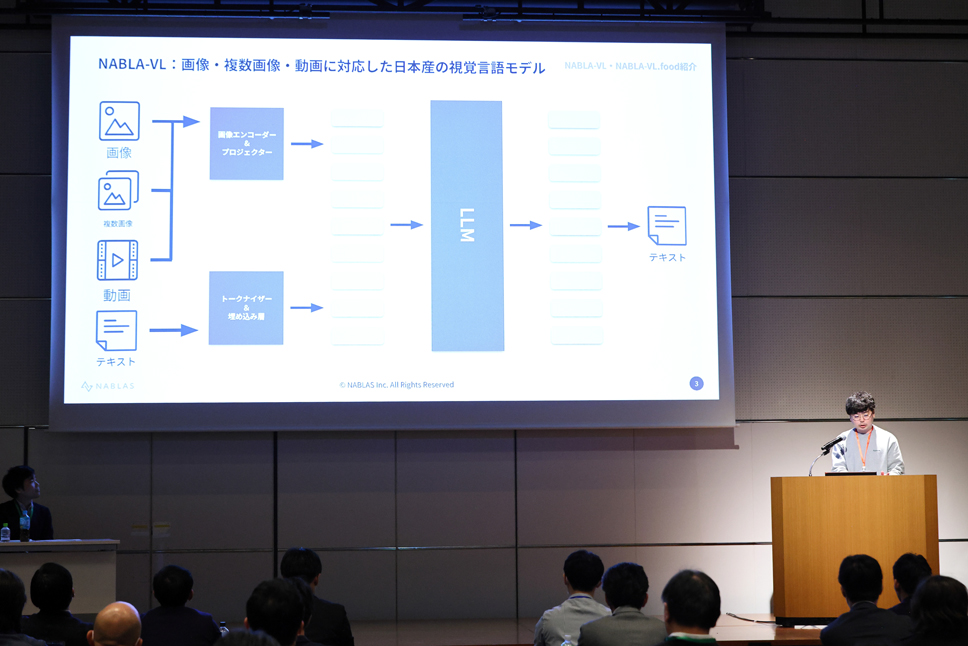
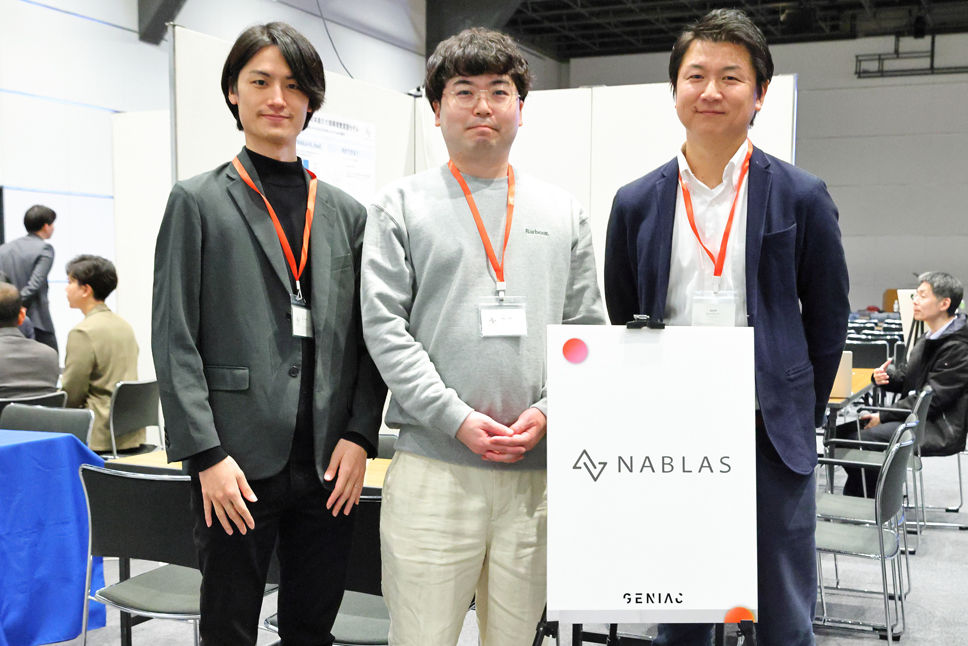
NABLAS Inc., a University of Tokyo–origin startup, is developing a general-purpose large-scale vision-language model, “NABLA-VL,” which supports Japanese text, images, multiple images, and video, as well as a specialized model, “NABLA-VL.food,” focused on “Japanese-style” and “trending” food. Under the GENIAC initiative, the company has collaborated with data collection partners to build a training dataset on “trending foods in Japan,” consisting of 6,800 images across seven tasks. By fine-tuning NABLA-VL using this dataset, they are developing NABLA-VL.food. In October 2024, training of an 8B model was completed, and development of a 15B-scale model is currently underway. In April 2025, the company aims to further develop a larger-scale MoE (Mixture of Experts) model.
Ricoh Company, Ltd.
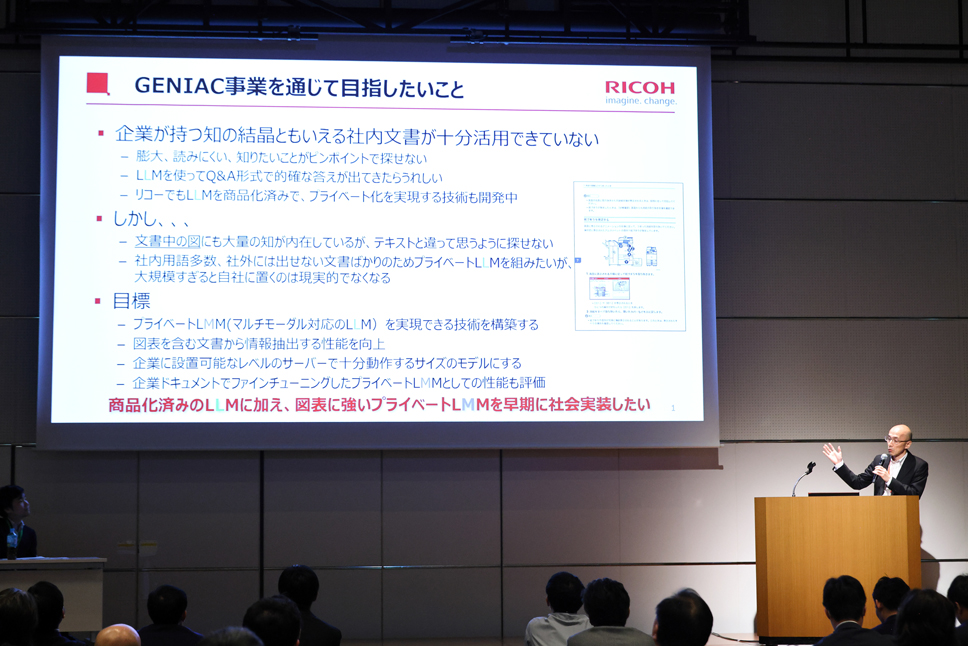

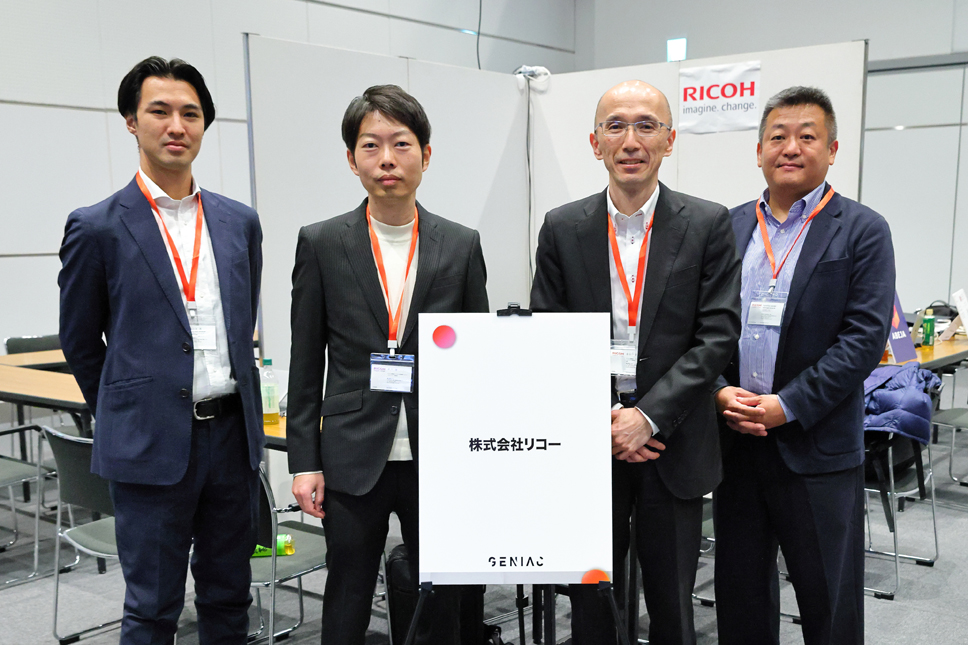
Ricoh Company, Ltd. is advancing the development of a private multimodal model (LMM) that enables the utilization of knowledge within enterprises. The company aims to build a right-sized model that can extract information from internal documents, including charts and diagrams, and operate in on-premises environments. A foundational architecture for an LMM based on open-source models has already been established, and efforts have begun to create datasets with a strong focus on practical applicability. Going forward, Ricoh plans to further promote the practical implementation of private large language models (LLMs) by leveraging real data from companies that support this initiative.
Stockmark Inc.
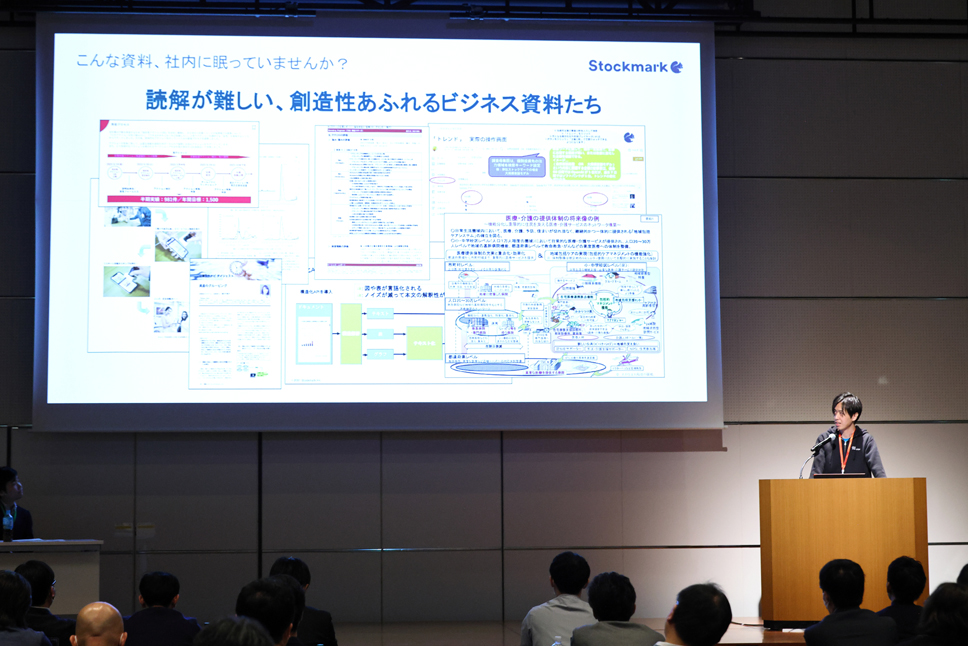

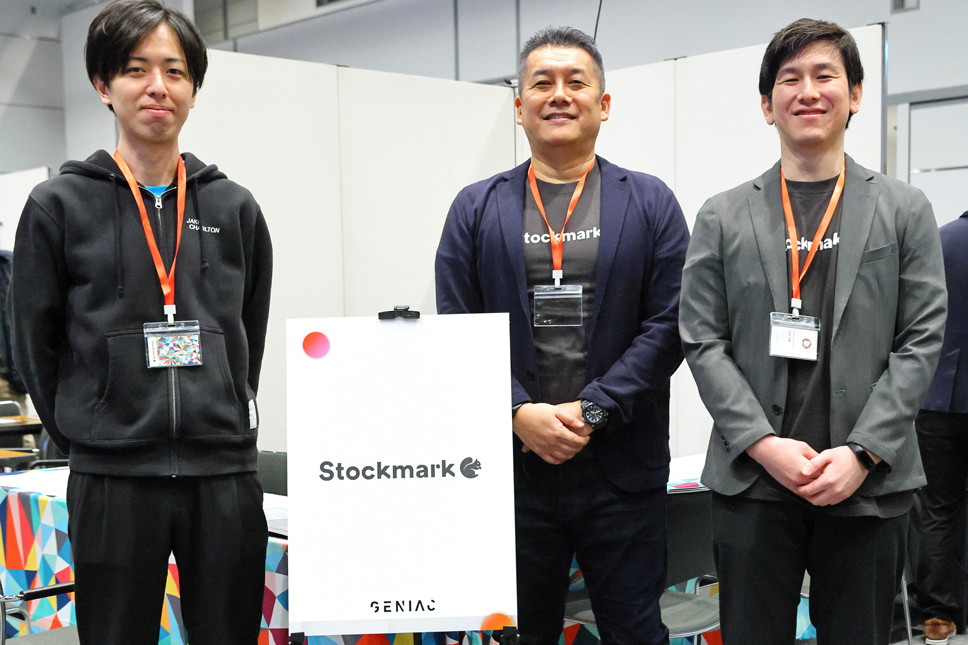
Stockmark Inc. has independently developed one of Japan’s largest document understanding foundation models under the GENIAC initiative, focusing on reducing hallucinations—a key challenge in business applications—and improving response accuracy. By structuring data from rich documents, including charts and diagrams, and integrating it into RAG (Retrieval-Augmented Generation), the model is designed to understand concepts in complex documents such as flowcharts and improve QA accuracy in generative AI applications such as internal chatbots. In addition, the company is advancing the development of customized models tailored for enterprises, capable of accurately analyzing highly specialized and complex document formats specific to different industries.
AldeaLab Inc.
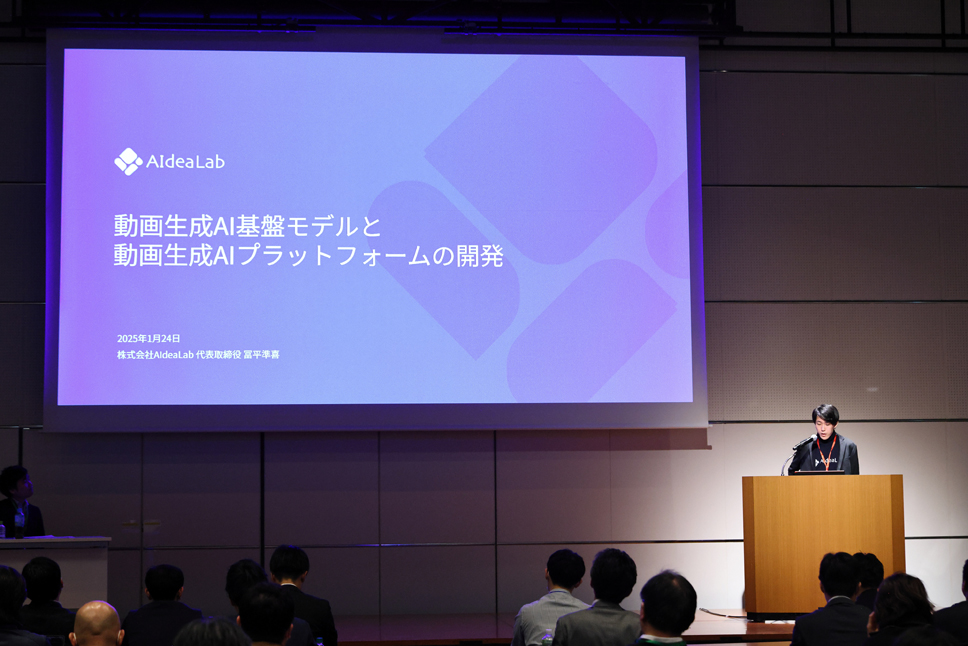
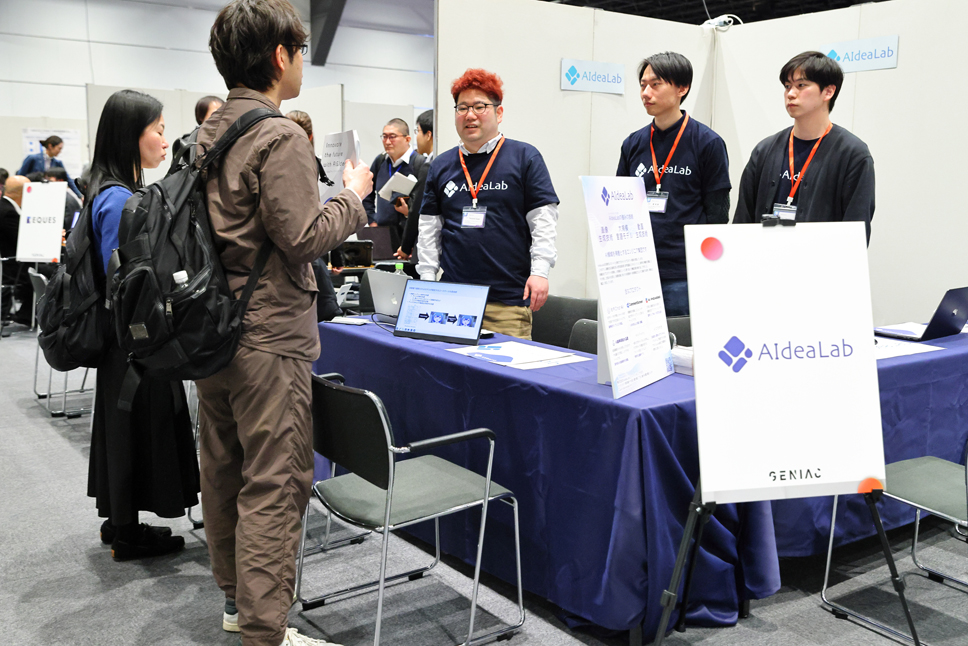
AldeaLab Inc., a startup originating from an AI research laboratory at the University of Tsukuba, develops the image generation AI app “AI PICASSO,” which holds the largest market share in Japan, and provides AI consulting services. The company also offers products that contribute to operational efficiency, such as “In-house Chat AI” and “AI Meeting Minutes Assistant.” Under the GENIAC initiative, AldeaLab is advancing research on foundation models using copyright-cleared data and is taking on the challenge of developing the world’s first anime-specialized video generation AI, aiming to promote DX in Japan’s animation industry.
AiHUB Inc.
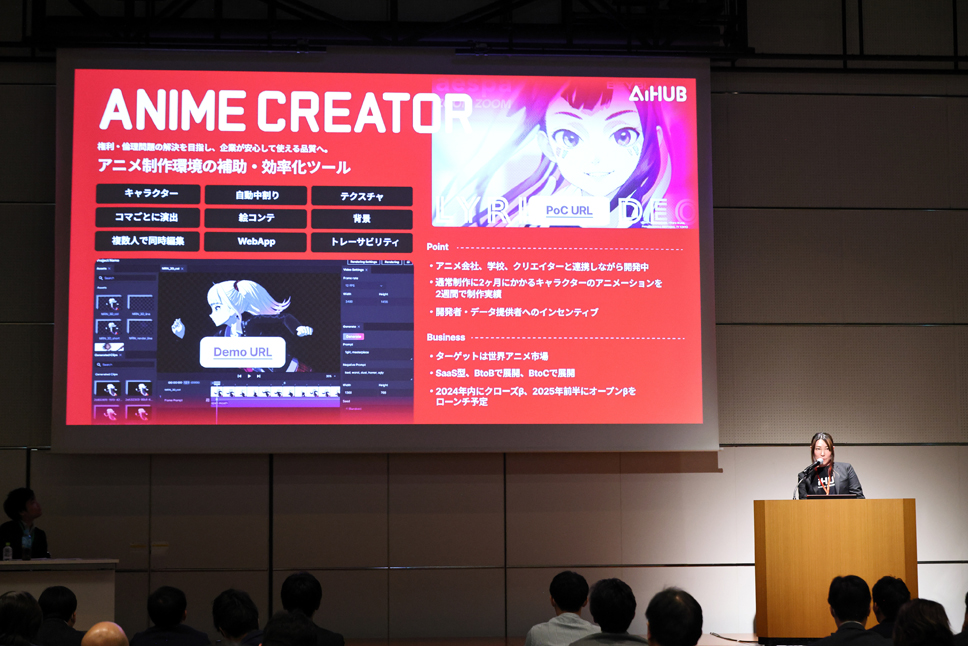
AiHUB Inc. was established in 2023 by a community of image generation AI developers and open-source software (OSS) contributors. The company pursues vertically integrated initiatives from research and development to business development, while also collaborating with other companies to develop AI-powered virtual human businesses and tools to support anime production.
Under the GENIAC initiative, AiHUB is developing an anime-specialized foundation model. Based on a shared base model, each animation studio can further train the model using its own proprietary data to build dedicated models tailored to individual companies. In addition, the company is advancing the development of tools to improve the efficiency of anime production.
Kotoba Technologies Japan KK
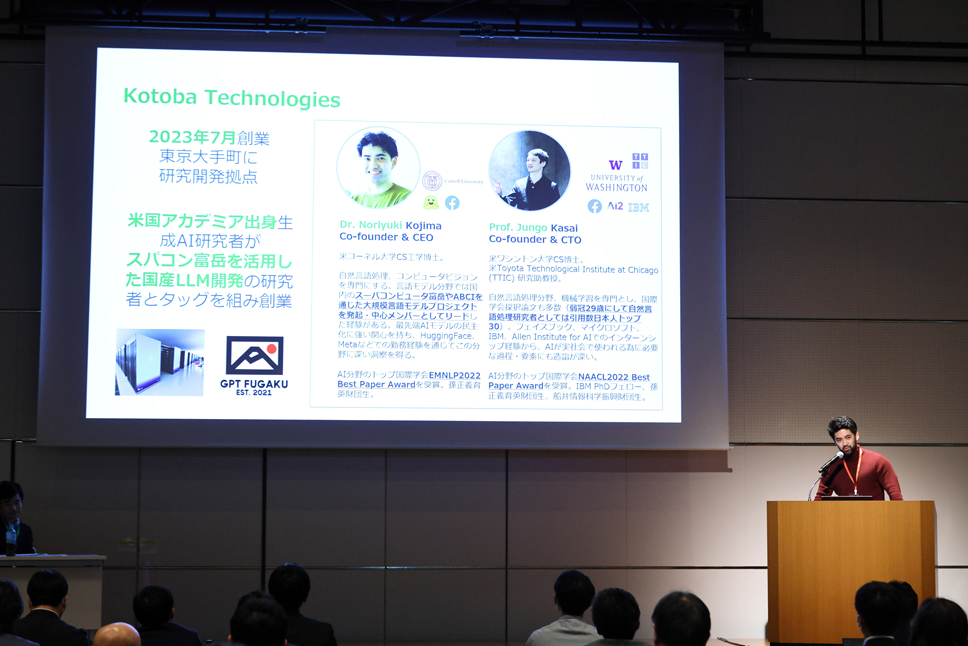
Kotoba Technologies Japan KK is a startup specializing in the research and development of speech generation AI. Its speech foundation model currently under development enables technologies that support voice-based communication, including ultra-fast speech transcription, voice chatbots, and real-time simultaneous interpretation between Japanese and English. In addition, its high-precision speech synthesis technology supports fluent Japanese text-to-speech and voice cloning. The company’s technologies are already used by more than 500,000 developers, and it is also advancing initiatives such as virtual human businesses leveraging Japanese-language speech.
Karakuri Inc.
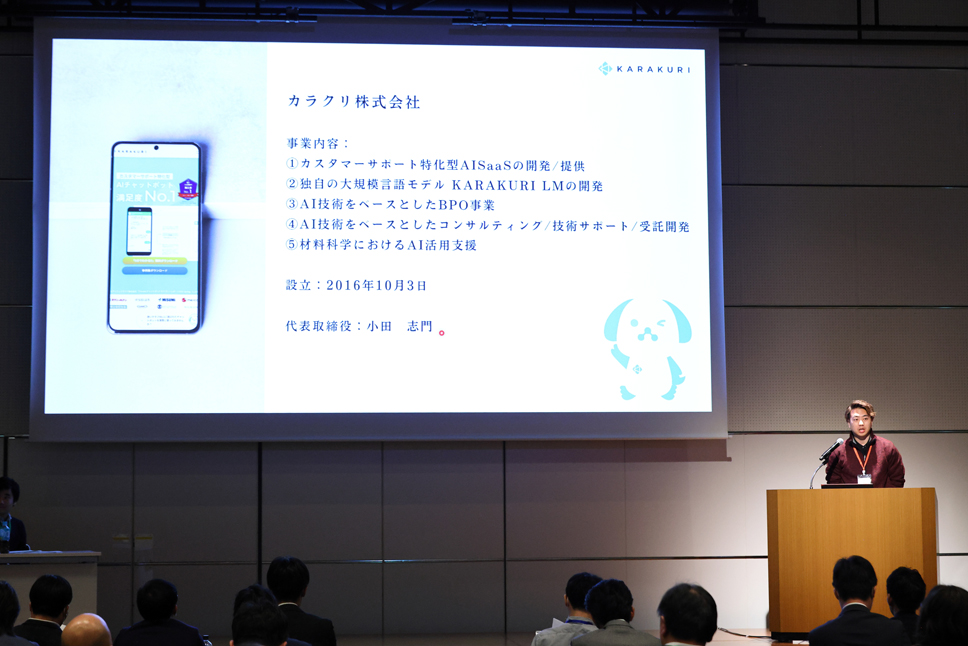
Karakuri Inc., which develops and provides AI SaaS specialized in customer support in Japan, is working under the GENIAC initiative to develop a high-quality AI agent model with strong Japanese language capabilities while suppressing hallucinations. The company is also advancing the development of AI capable of recognizing on-screen content, as well as building a cost-efficient training environment utilizing AWS Trainium, with the aim of achieving world-class AI for customer support. Through these efforts, Karakuri seeks to support individuals involved in the customer support industry and promote empowerment across the sector.
ABEJA Inc.
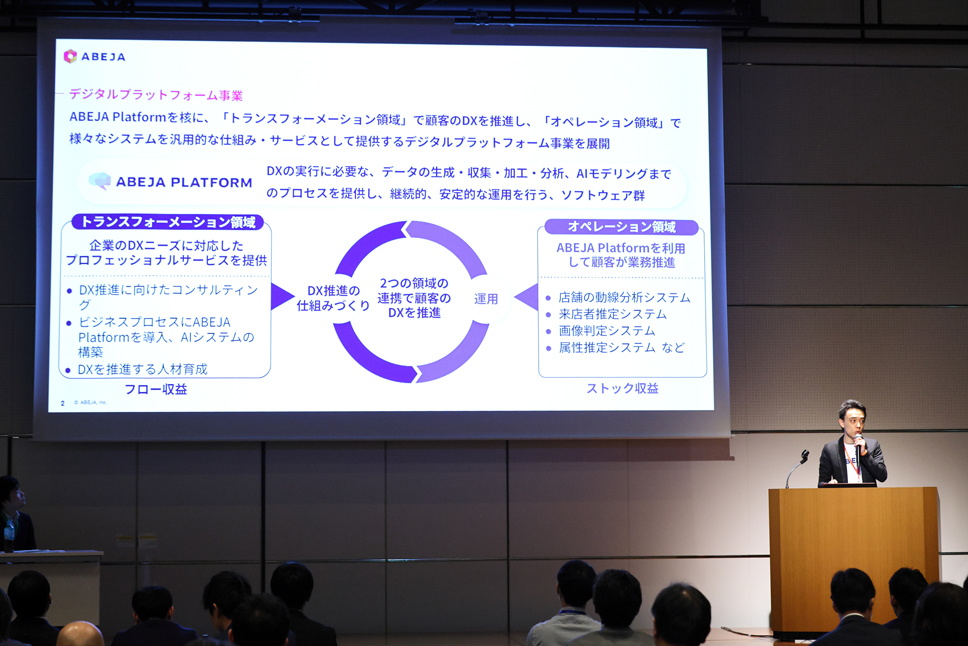
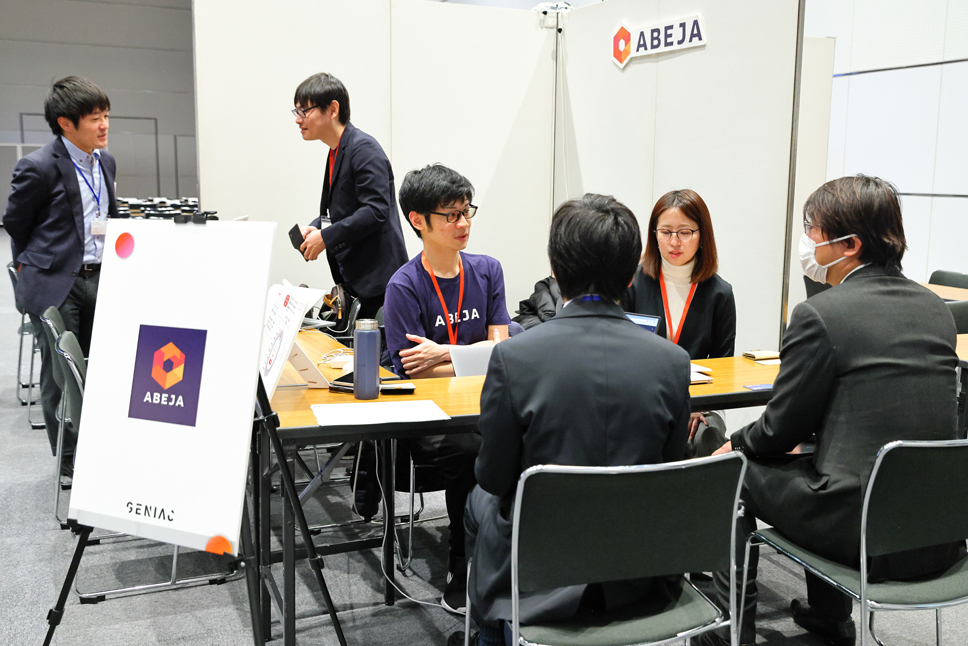
ABEJA develops, deploys, and operates the “ABEJA Platform,” a foundational system designed to support the implementation of AI in mission-critical operations. Under the GENIAC initiative, the company has independently built a foundation model that enables the low-cost development of customized models and has achieved improved cost performance by leveraging high-accuracy RAG (Retrieval-Augmented Generation) and agent technologies. In the second public call, ABEJA plans to focus on developing models tailored to specific corporate tasks and optimizing compact, high-performance models.
Preferred Elements, Inc. / [Co-proposer] Preferred Networks, Inc.
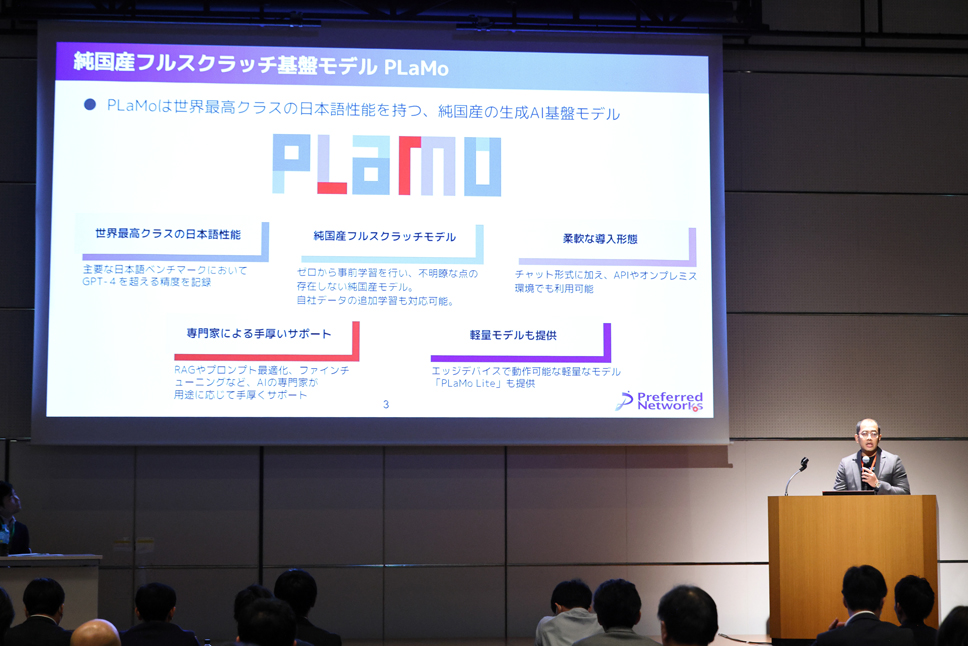
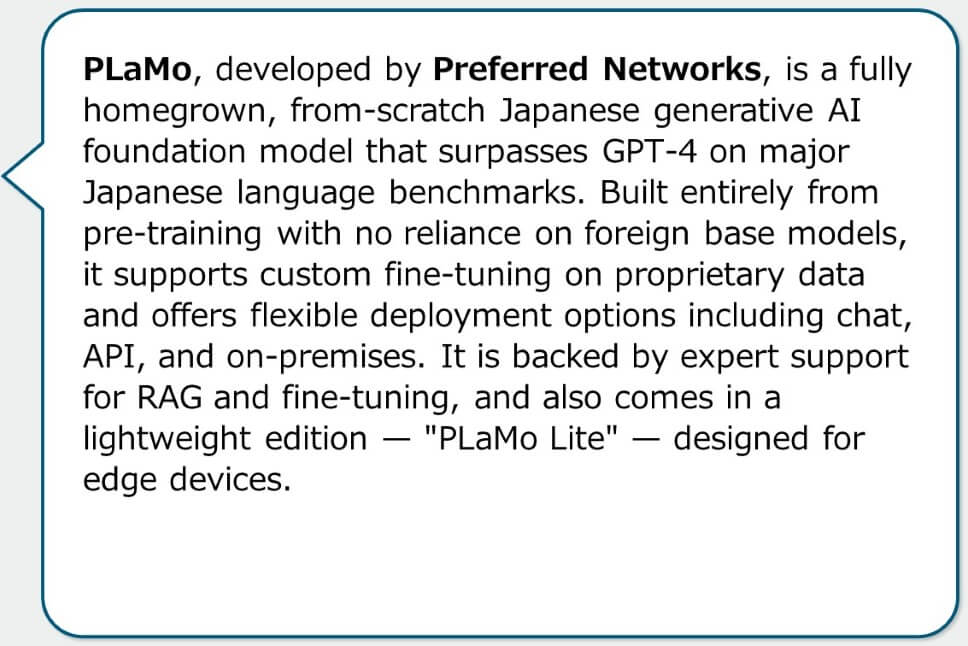
Preferred Networks (PFN Group) is vertically integrating the AI technology value chain and promoting industrial applications through the fusion of software and hardware. With support from the GENIAC initiative, the group has developed from scratch a fully Japanese-developed multimodal foundation model, “PLaMo,” which has achieved high accuracy on Japanese benchmarks. It has also been commercially offering “PLaMo Lite,” a compact language model optimized for edge devices, since August 2024. In December of the same year, the group launched “PLaMo Prime” as its flagship model. In the second phase, PFN aims to develop a model that achieves state-of-the-art performance in Japanese language processing while reducing inference costs to one-tenth.
Japan Agency for Marine-Earth Science and Technology (JAMSTEC)
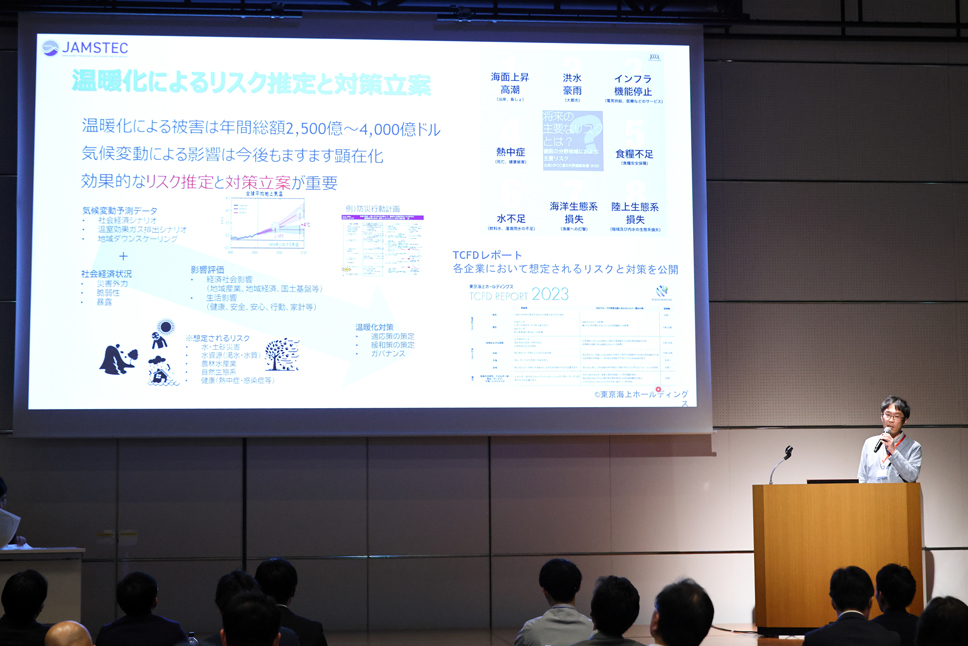
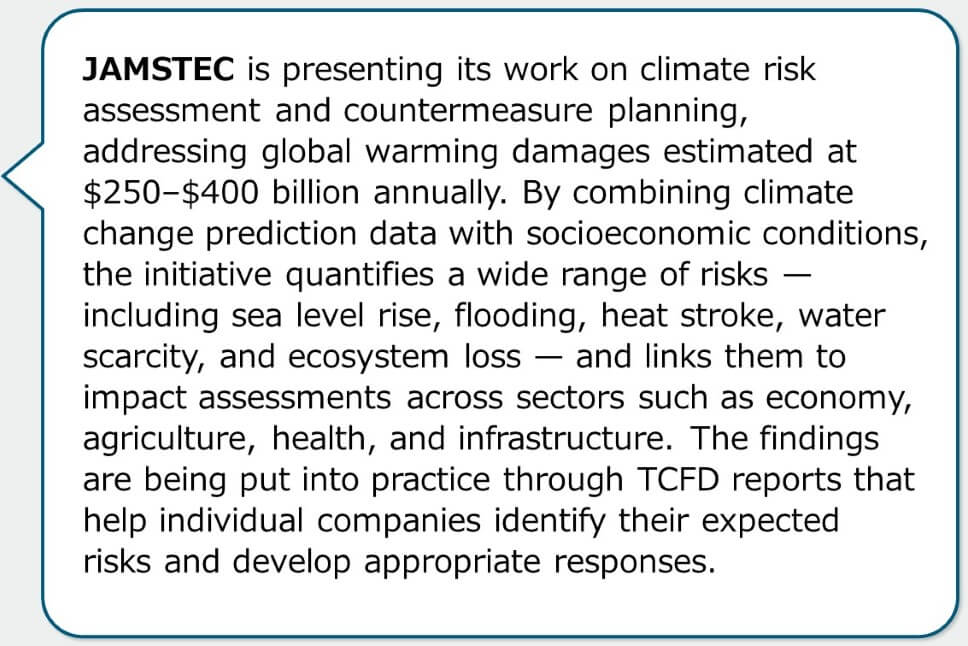
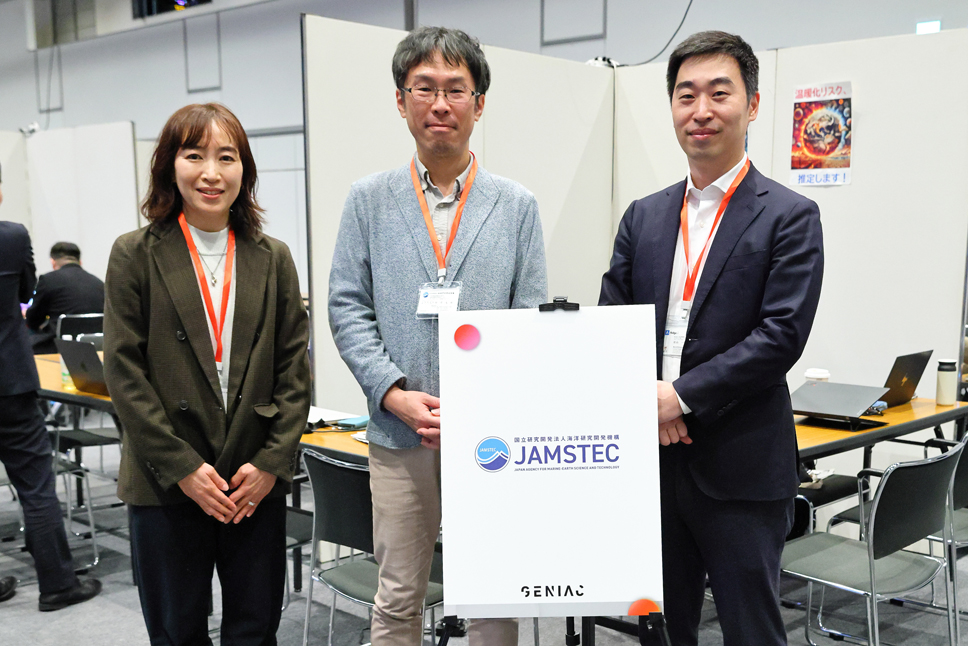
The Japan Agency for Marine-Earth Science and Technology (JAMSTEC) is a national research and development institution that aims to deepen integrated understanding of the ocean, Earth, and life, and to address societal challenges. In addition to conducting ocean exploration and climate change projections using supercomputers, JAMSTEC has recently been advancing the development of generative AI to support the assessment of climate-related risks and the formulation of countermeasures, including those related to TCFD reporting.
Under the GENIAC initiative, JAMSTEC is developing AI models utilizing 100-year climate projection data to support companies in assessing climate-related risks and formulating strategies.
Humanome Lab, Inc.
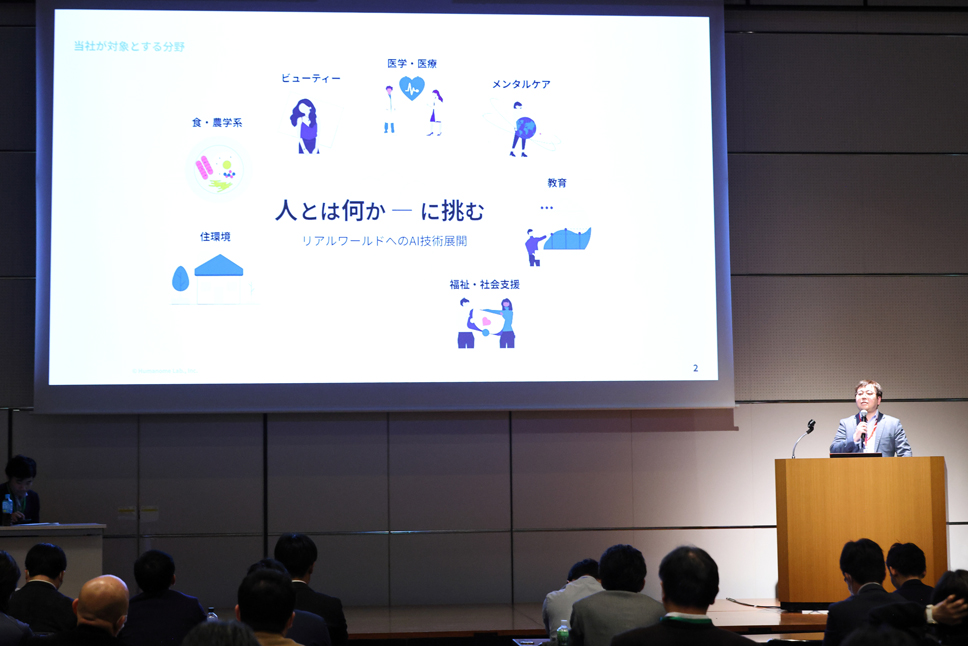
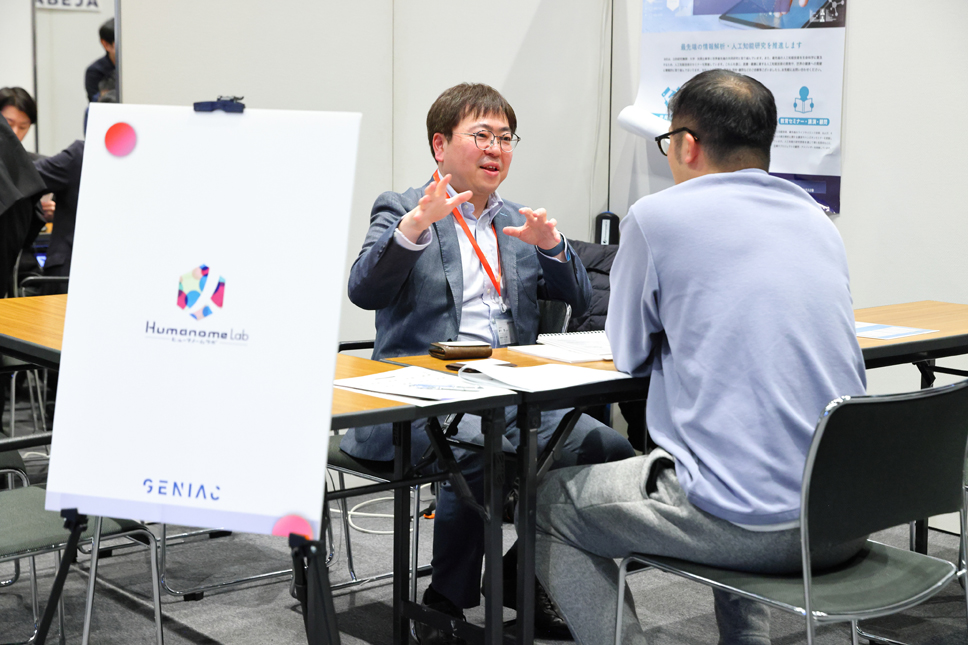
Humanome Lab, Inc. is working to improve people’s quality of life through the use of AI technologies and is engaged in the development of generative AI for gene analysis in the drug discovery field. Under the GENIAC initiative, the company is building models that support the interpretation of experimental results, addressing challenges in data interpretation in research and development as well as new business development. It is also developing AI agents that assist with hypothesis testing, literature review, and analysis of experimental results. Going forward, the company aims to collaborate with pharmaceutical companies and cancer centers to advance AI development that can be applied across a broader range of fields.
EQUES Inc.
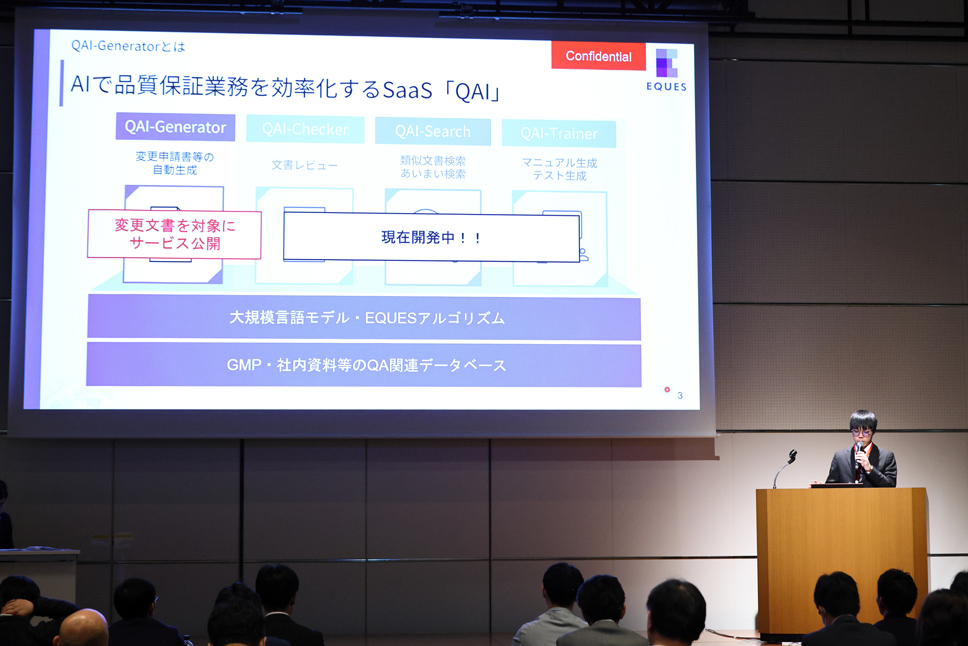
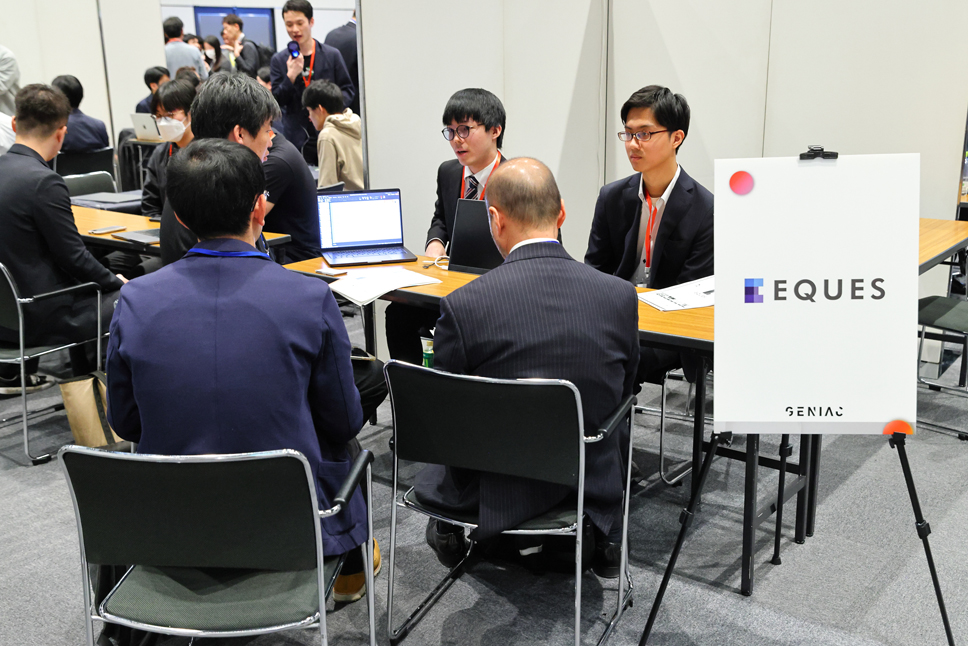
EQUES Inc., a University of Tokyo–origin startup, provides a SaaS business that leverages AI to improve the efficiency of quality assurance operations in the pharmaceutical industry. The company is currently developing and offering an automated tool for generating change application documents, which are critical in the pharmaceutical sector. Under the GENIAC project, EQUES is advancing the development of a domain-specific LLM capable of securely handling confidential data, with the aim of building AI enhanced with specialized expertise. In addition, the company is working on the practical implementation of LLMs that support document review and generation beyond the pharmaceutical industry, as well as the development of evaluation datasets.
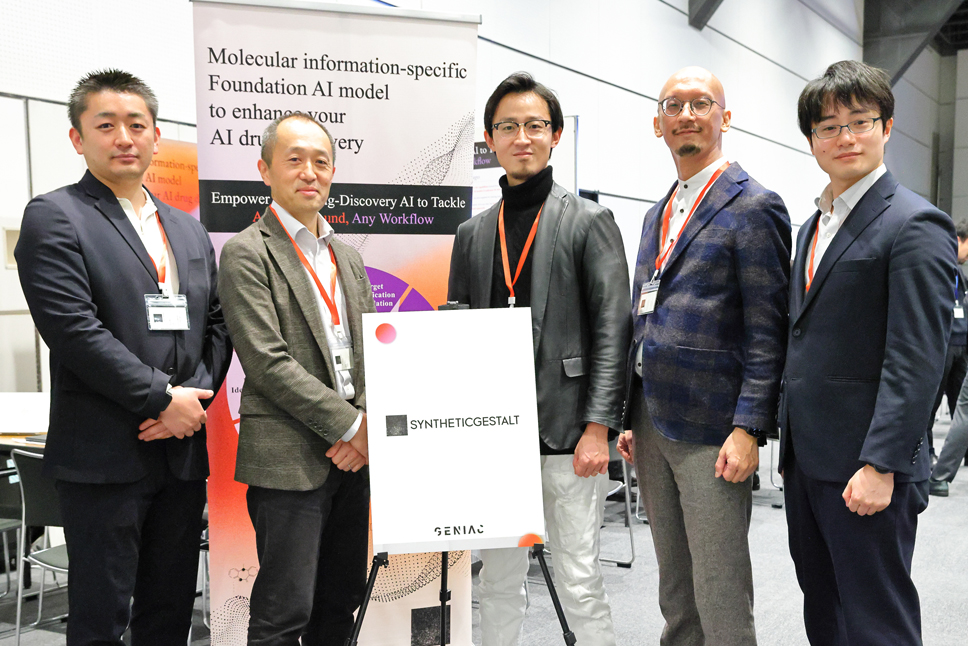
SyntheticGestalt KK
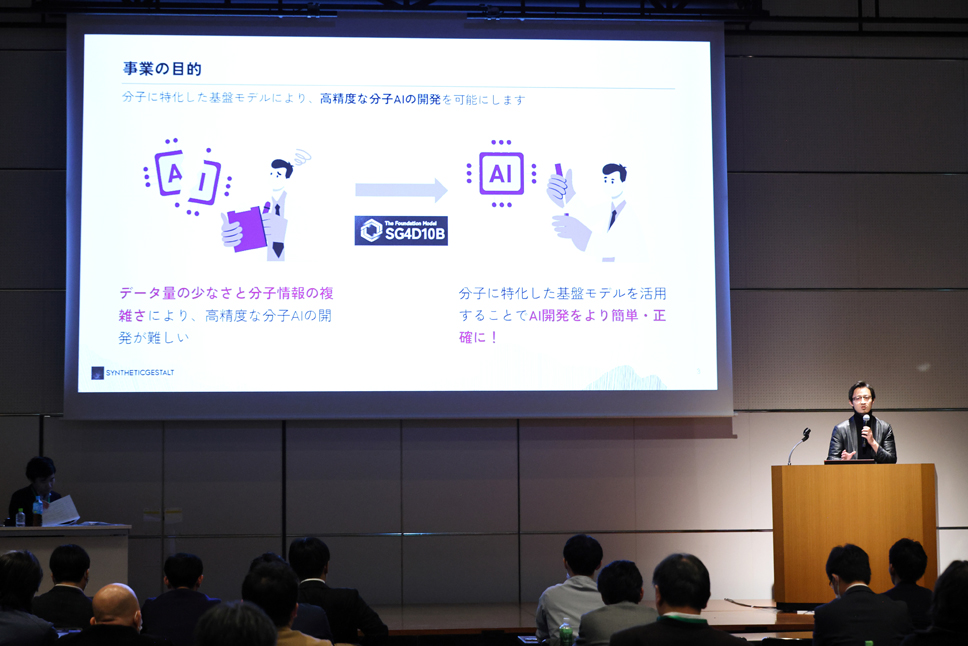
SyntheticGestalt Inc. develops AI specialized in molecular information, which is essential for advancing pharmaceuticals, cosmetics, agrochemicals, and new materials. In the complex molecular domain, where data is limited, the company aims to make AI-based functional prediction easier and more accurate. To this end, it has built “SG4D10B,” one of the world’s largest foundation models specialized in molecular information. The model has already been trained on 10 billion data points across more than 100 tasks and has achieved high accuracy in 23 types of predictions, including activity, toxicity, and cell permeability. Going forward, the company plans to provide technologies applicable to a wide range of use cases, including drug discovery and large-scale screening.
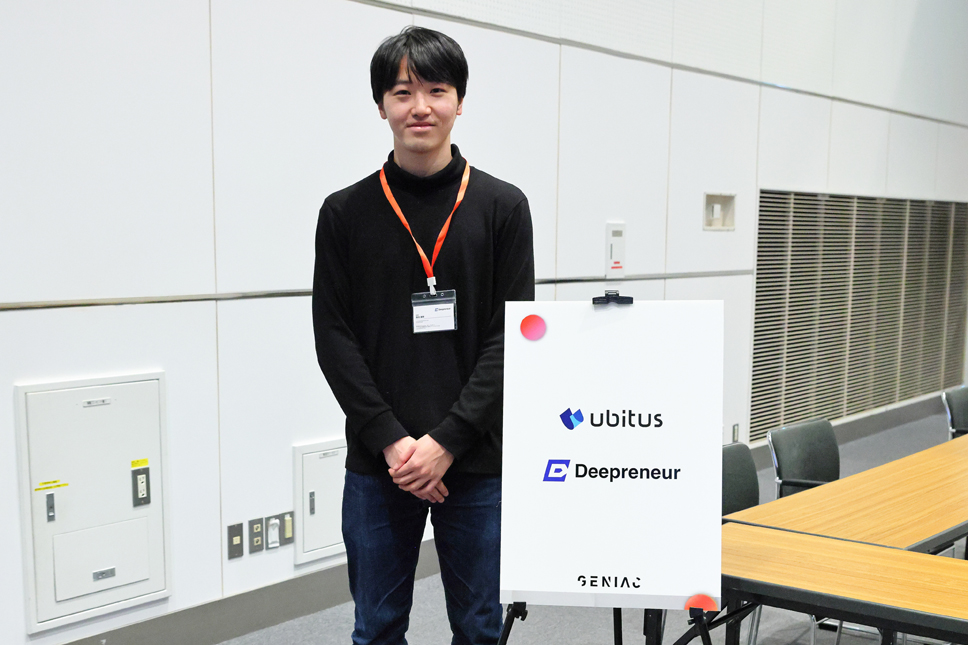
Deepreneur Inc.
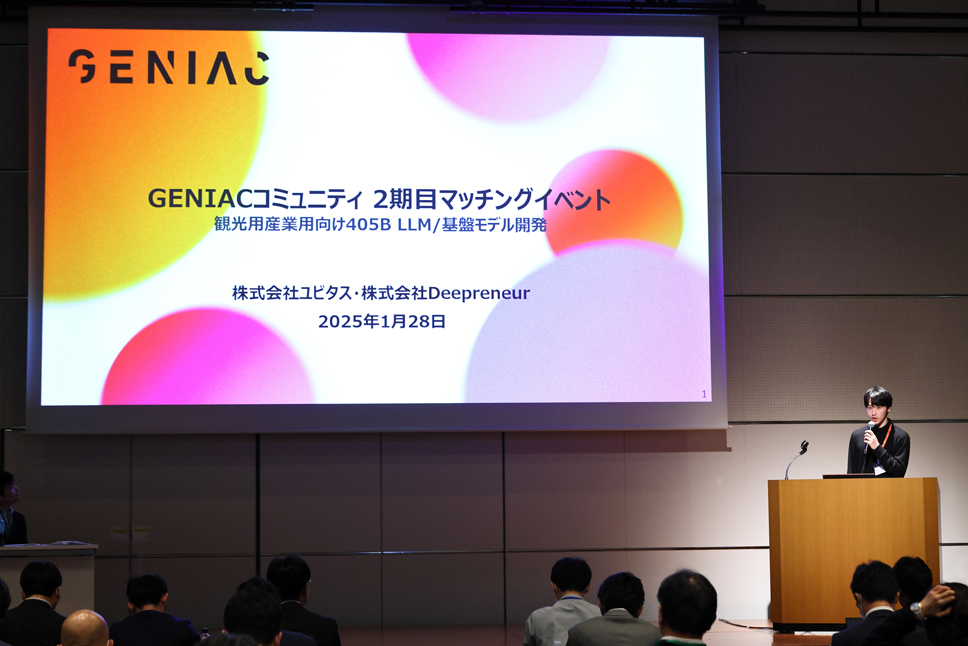
Deepreneur Inc., in collaboration with Ubitus, is developing “405B,” a large language model (LLM) for tourism and industry that is optimized for East Asian languages, including Japanese, Chinese, and Korean. Currently, based on Llama 3.1, the company is working on the development of Japanese-language datasets and benchmark evaluations, aiming to improve knowledge acquisition and inference accuracy. In addition, it is building capabilities to extend the tourism-focused LLM to a broader range of applications. Going forward, the company will continue to strengthen the model’s knowledge and performance evaluation, advancing the development of AI that can address the needs of diverse industries.
The third business matching event concluded successfully with strong participation from a wide range of AI developers, application companies, user companies, and venture capital firms. Participants highly valued the opportunity to engage in fast-paced discussions, ranging from technical aspects of foundation models to concrete business negotiations. We hope for your continued interest in GENIAC’s future initiatives to accelerate the social implementation of generative AI.
GENIAC Top Page
