
2025/08/08
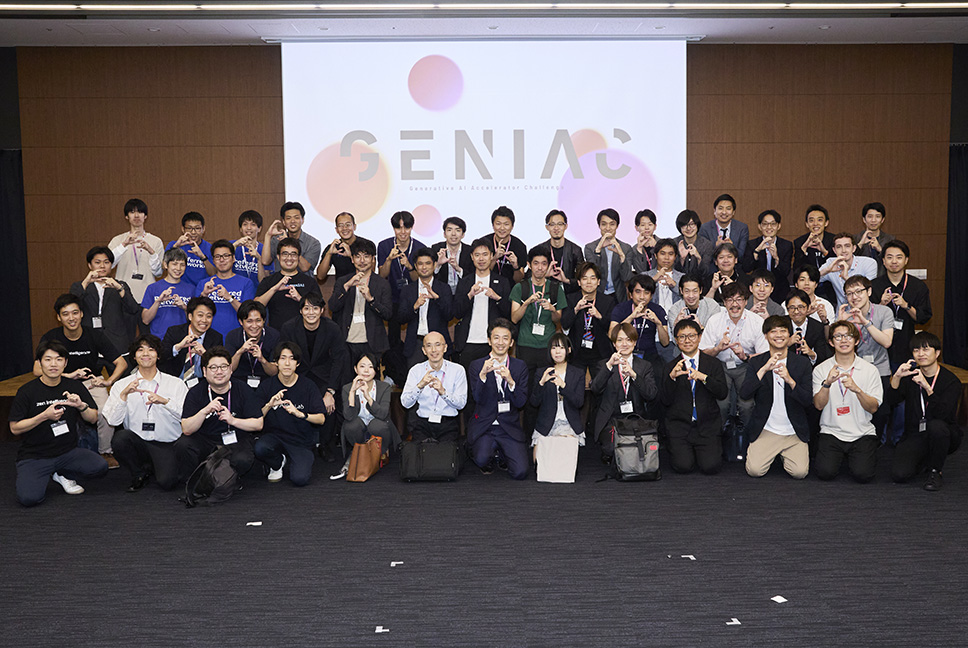
On July 15, 2025 (Tuesday), the kickoff event for the third phase of the “GENIAC” project—an initiative driving the development of generative AI in Japan—was held in Osaki, Tokyo. The event brought together AI development companies and research institutions selected to participate in this new phase.
In this article, we highlight comments from organizations chosen for support in computing resource provision, as well as those selected for demonstration projects focused on data utilization and generative AI applications.
GENIAC 3rd Cohort Kicks Off, Advancing Japan’s Generative AI Ecosystem
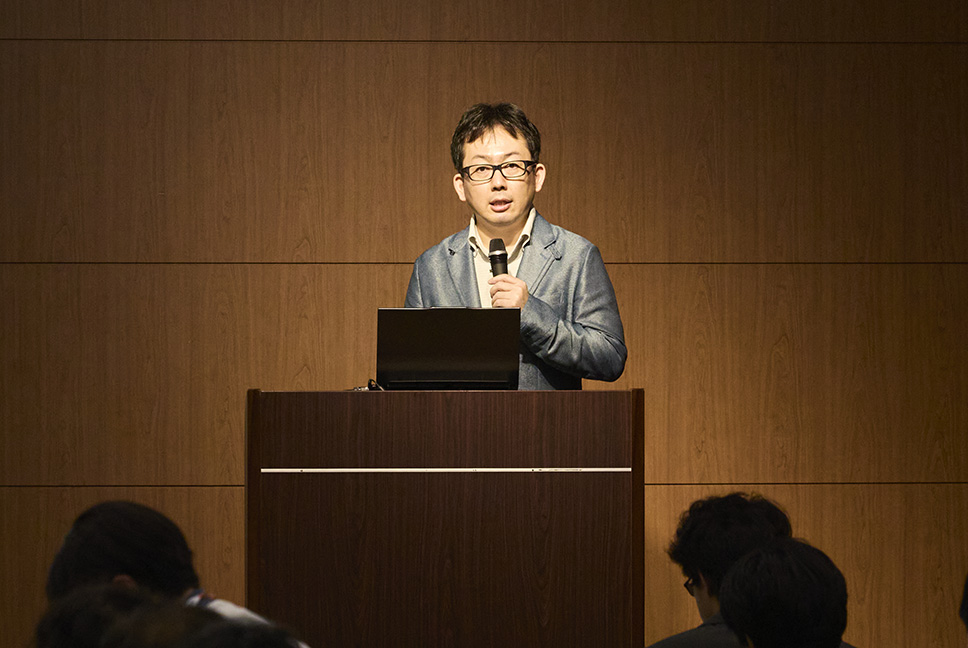
At the opening of the event, Takuya Watanabe of the Ministry of Economy, Trade and Industry (METI) reviewed the progress of the GENIAC initiative since its launch in February 2024, outlining the program’s support for computing resources, data, and knowledge sharing. He also introduced new developments, including the third phase of computing resource procurement support, the second phase of demonstration projects for data utilization, and the “GENIAC PRIZE” AI application contest, which will offer a total of 800 million yen in prize money. Watanabe emphasized his expectations for further social implementation of generative AI.
“The transformation brought about by generative AI is fundamentally reshaping the nature of software and ushering in an era where data itself becomes a source of value. For Japan, it is essential not only to leverage AI but also to strengthen our own development capabilities. The GENIAC program is centered on supporting the development of diverse foundation models, while also advancing the provision of computing resources, creating reliable mechanisms for data distribution, and building domestic and international networks. In the third phase, the focus will be on real-world implementation, with concrete applications of AI expected across a wide range of fields including manufacturing, government, and healthcare. Going forward, we will continue policies that balance technological innovation with economic impact, pursue the development of frontier AI toward the AGI era, and expand internationally—particularly within the Asia-Pacific region—with the goal of establishing a Japan-led generative AI ecosystem.” -Watanabe
GENIAC 3rd Cohort Awardees Present Initiatives Driving Real-World AI Adoption
ABEJA Inc.
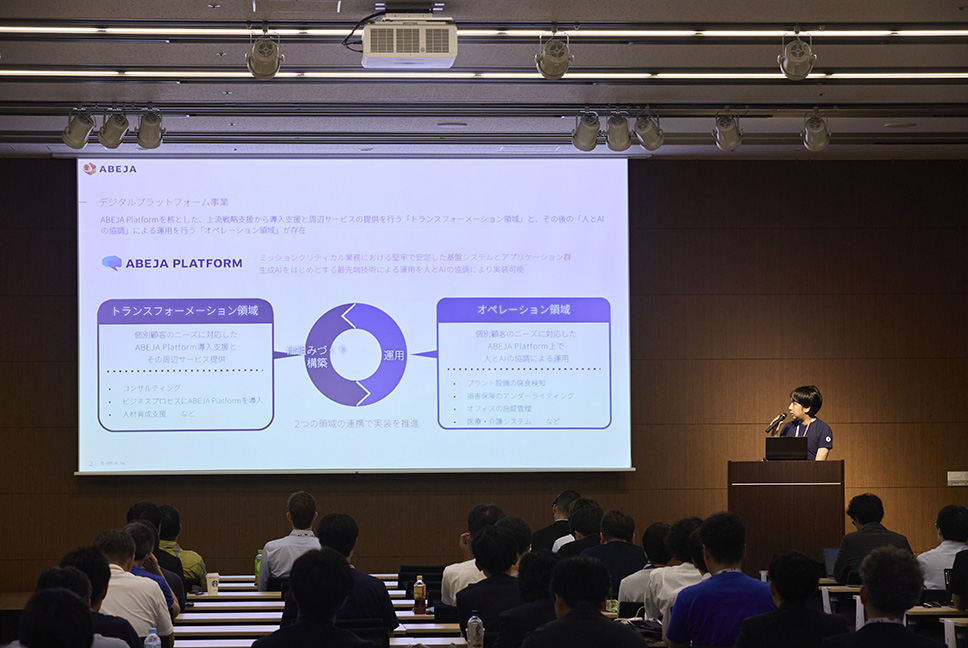
“The goal of GENIAC’s 3rd Cohort is to implement autonomous AI agents capable of supporting mission-critical business operations. Building on the proprietary development of Japanese large language models (LLMs) from the 1st and 2nd cohorts, we plan to strengthen three key capabilities—planning, tool use, and long-context processing—in order to enable practical demonstrations in essential business domains.” -Hattori
Nomura Research Institute, Ltd. (NRI)
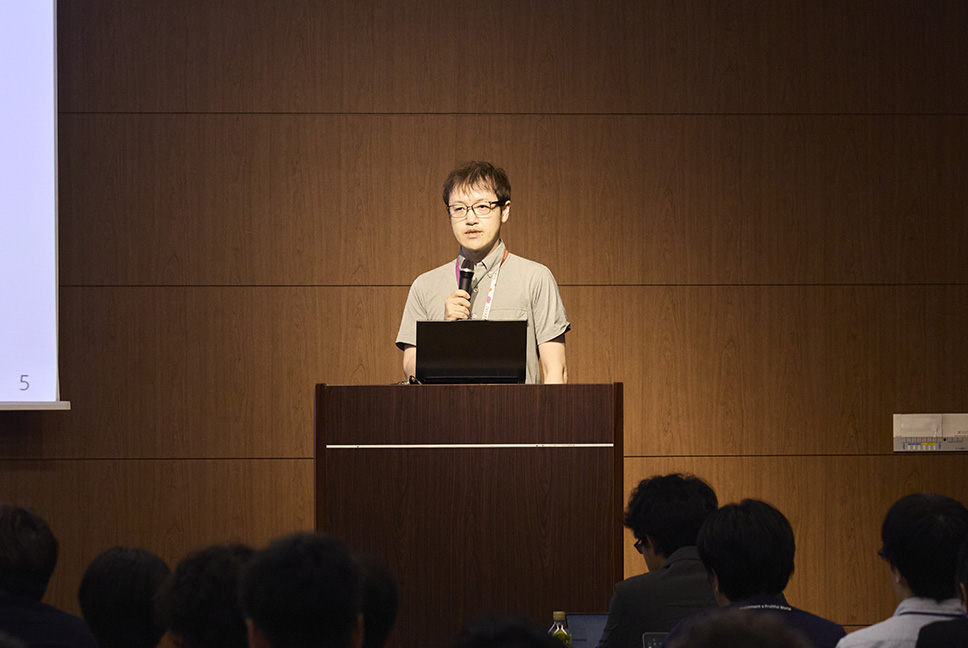
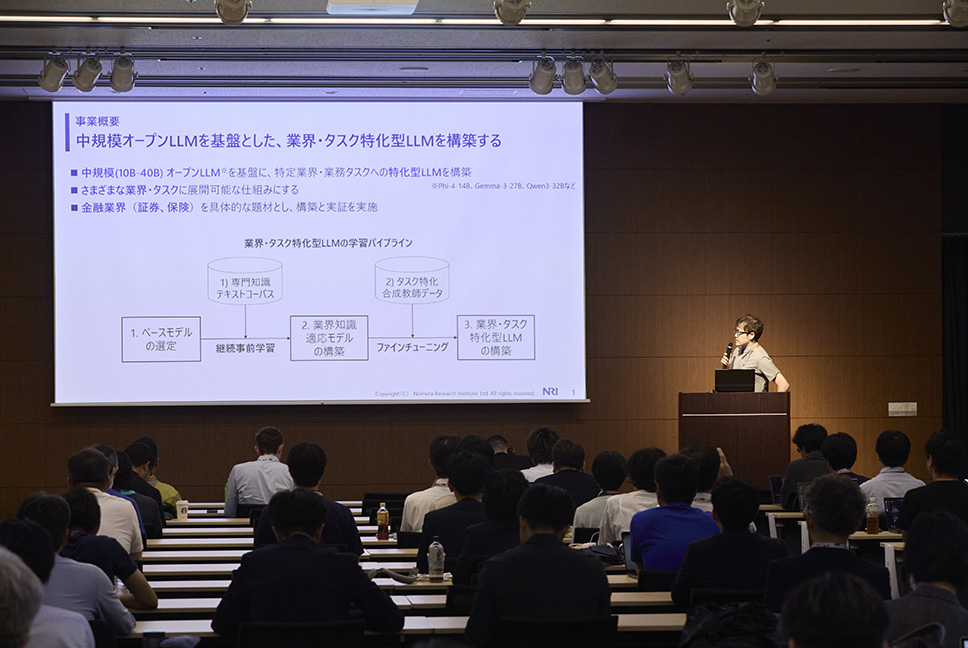
We are developing a framework for building medium-sized LLMs (10B–40B parameters) specialized for different industries and tasks. By leveraging multiple open-source LLMs as base models, our aim is to create a system that does not depend on any single model. For the initial focus, we are targeting the financial sector—including securities and insurance—for verification, with the goal of surpassing general-purpose commercial models in tasks such as compliance checks for sales conversations and document proofreading.” -Mr. Okada
ONESTRUCTION Inc.
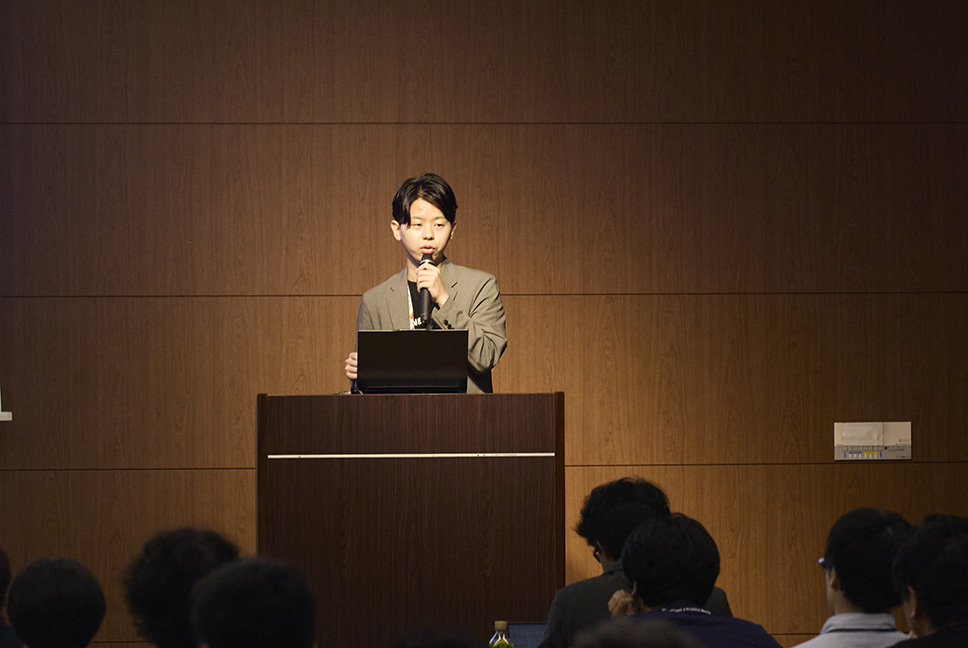
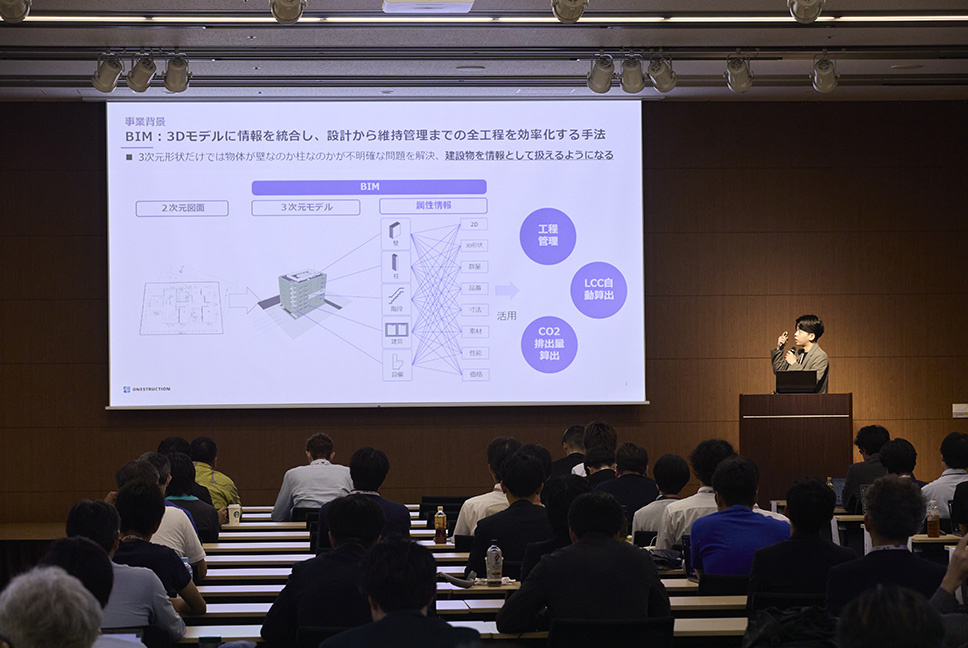
“We are developing a foundation model to support the generation of BIM Information Delivery Specifications (IDS), an international standard. By defining building attribute data in a machine-readable format, we aim to improve efficiency in both design and maintenance. Traditionally, IDS creation has required specialized expertise, but with conversational AI we seek to make this process accessible, democratizing the use of international standards even for small and medium-sized enterprises. For validation, we will apply the approach to existing projects and assess its effectiveness in terms of standard compliance, practical usability, and accessibility for non-experts.” -Hidaka
Zen Intelligence Inc.
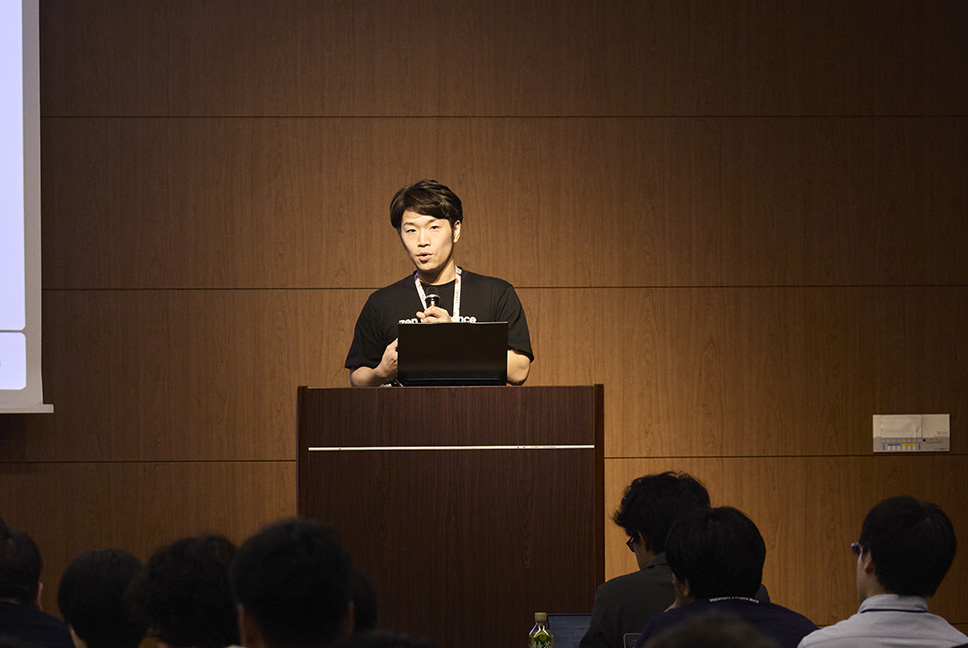
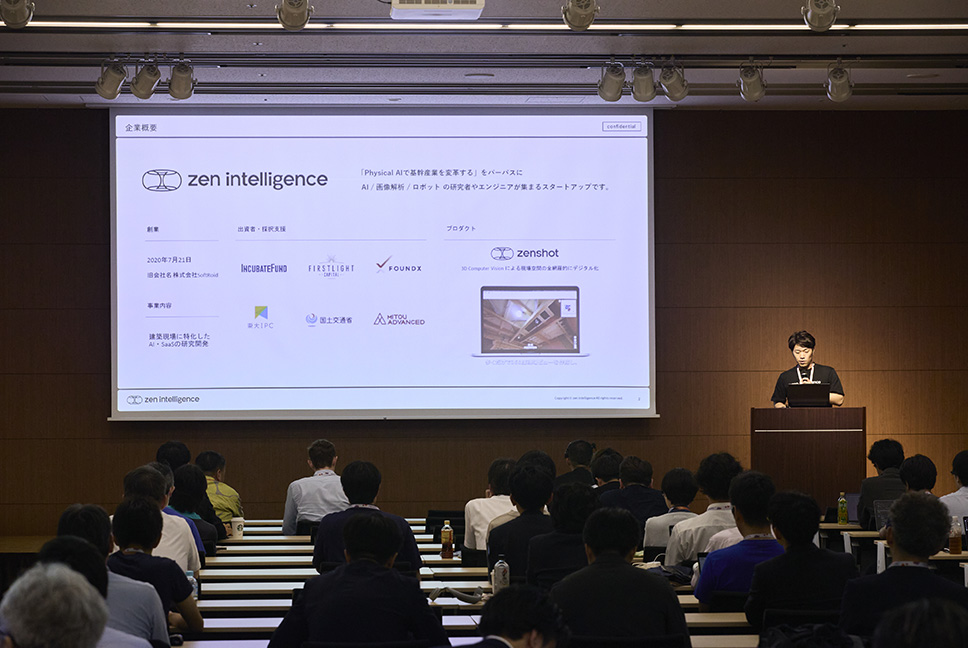
“We are developing a foundation model to automate construction site management. By building a multimodal dataset that integrates 3D spatial data and semantic information over time, our goal is to create a vision-language model of up to 7B parameters with decision-making capabilities equivalent to those of a site supervisor. The outcome of this project will be applied in our own business as a ‘copilot’ for junior site supervisors, and we also plan to share our expertise in model development with the wider community.” -Nozaki
Degas LTD.
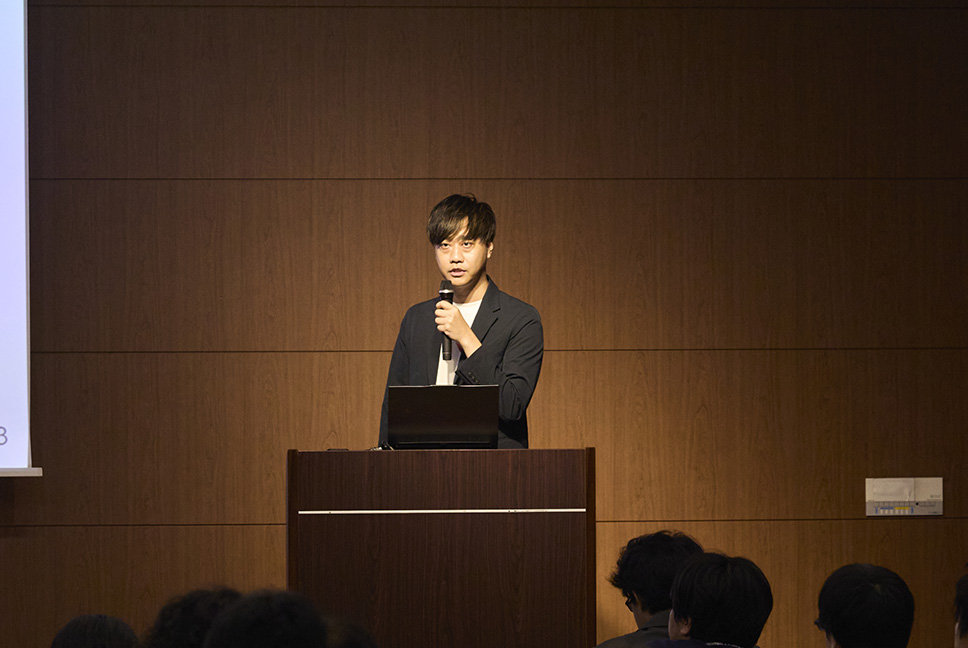
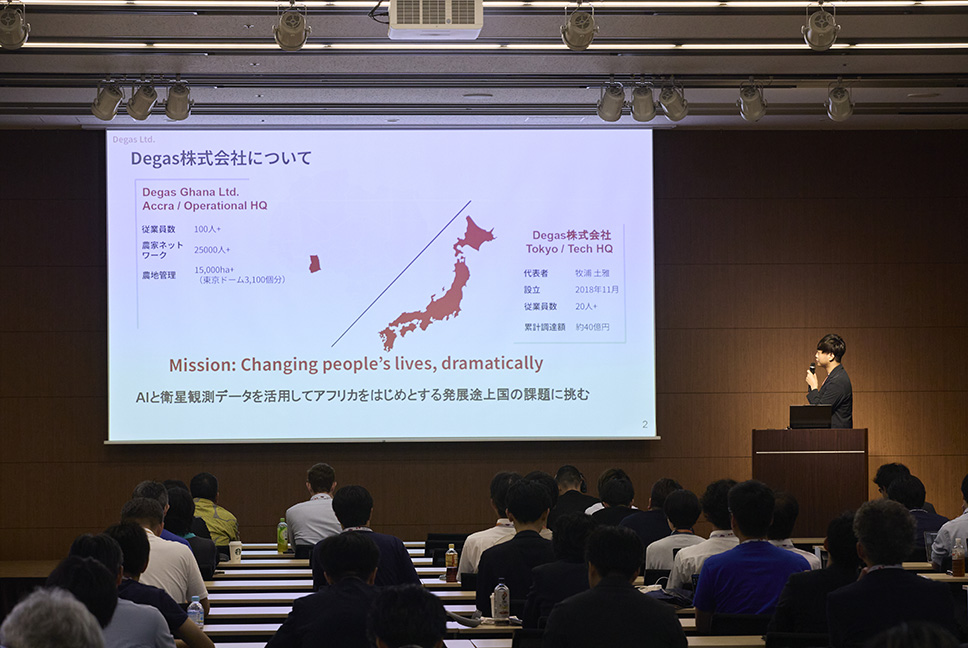
“We are developing a vision-language model (VLM) that integrates satellite observation data with large language models. The system will be capable of tasks such as assessing flood damage, detecting buildings, and generating descriptive captions for satellite imagery. We also plan a proof-of-concept in collaboration with the United Nations’ UN-SPIDER program to support disaster reporting. Our independently developed geospatial foundation model (LGM) is already being applied in agriculture, disaster prevention, and real estate, and part of the results from this project will also be made publicly available. Ultimately, we aim to democratize remote sensing technology and enhance its practical utility.” -Nakayama
AI inside Inc.
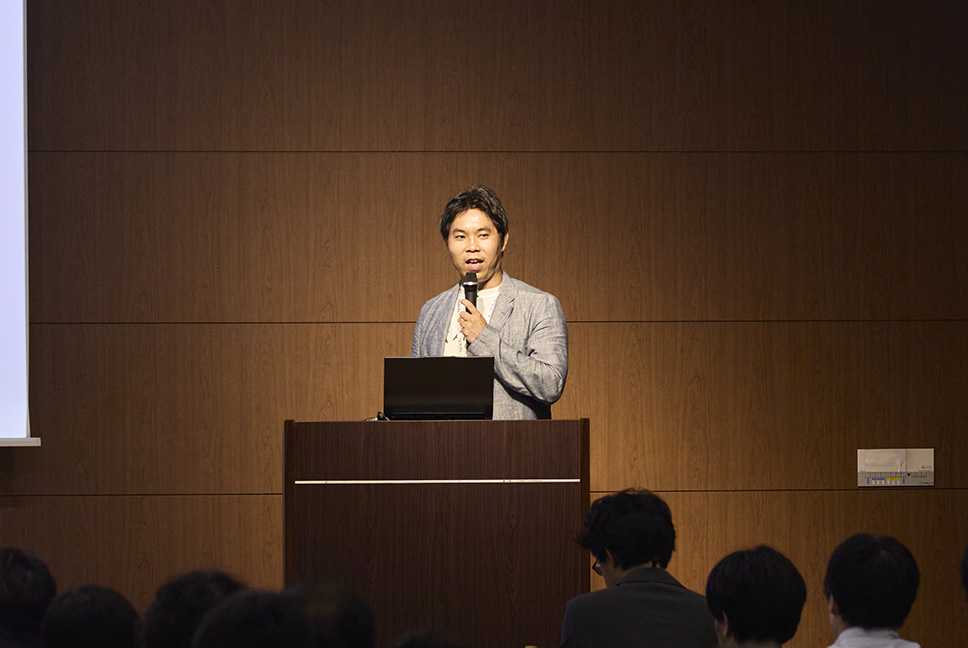
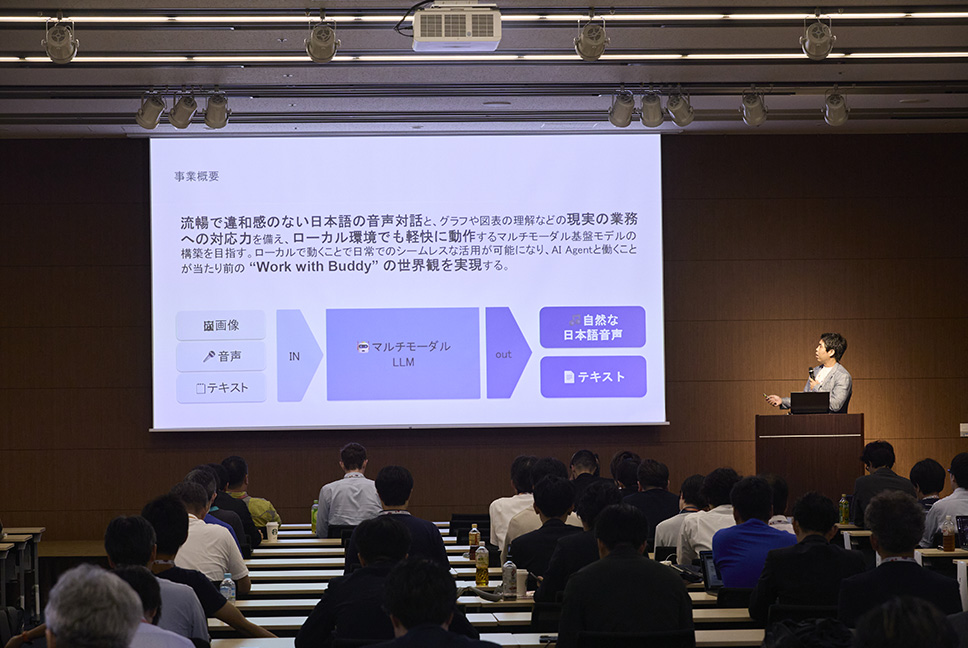
“We are developing a multimodal LLM to enable natural voice-based dialogue in Japanese. By integrating speech, images, and text, our goal is to create AI agents aligned with our ‘Work with Buddy’ philosophy—AI that closely supports real-world business tasks. In addition to fast inference, the system will handle natural timing, backchannel responses, and sustained contextual understanding. Our target is to meet the benchmarks set by Full-Duplex-Bench, a metric for evaluating human-like dialogue. We are also conducting demonstrations within our own services, with the aim of enhancing both workplace support and the quality of customer service.” -Inoue
Karakuri Inc.
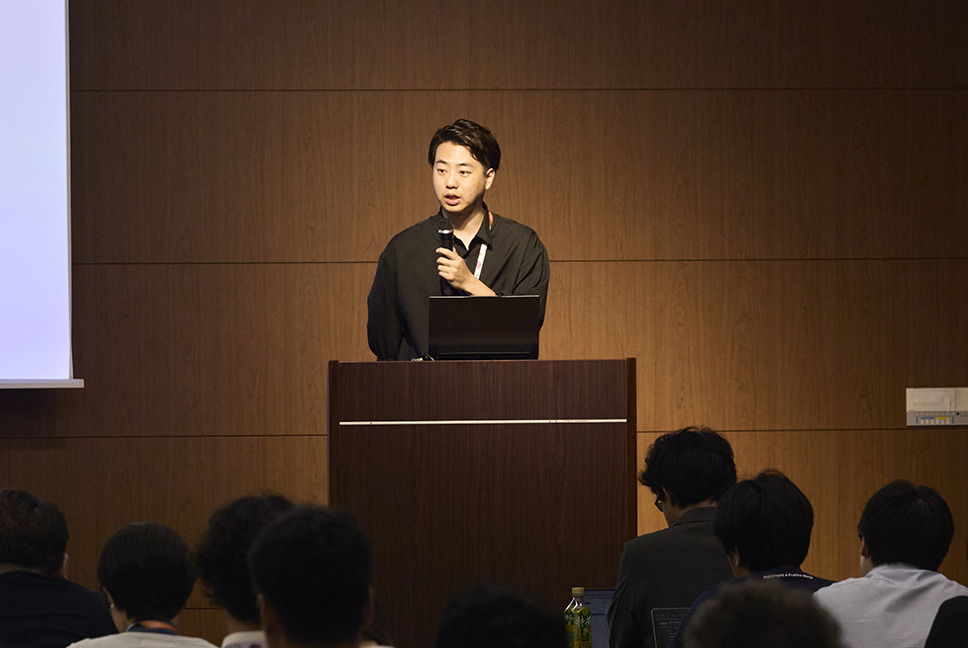
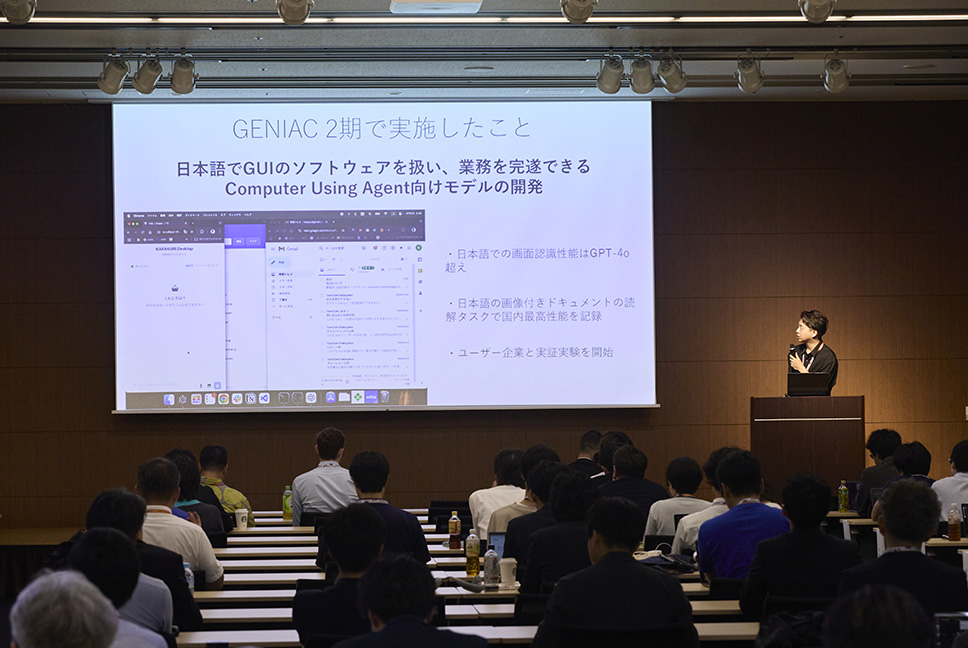
“Building on the results of the Computer Using Agent we developed in GENIAC’s 2nd Cohort—an agent with strong capabilities in GUI operations and document comprehension—we now aim in the 3rd Cohort to develop an omni-modal agent with voice support. Our goal is to create AI that can ease the stress of customer support tasks, which often rely heavily on phone interactions, while meeting Japan’s uniquely high standards of quality. Through this, we aspire to deliver a world-class support AI that empowers people on the front lines.” -Nakayama
Direava inc.
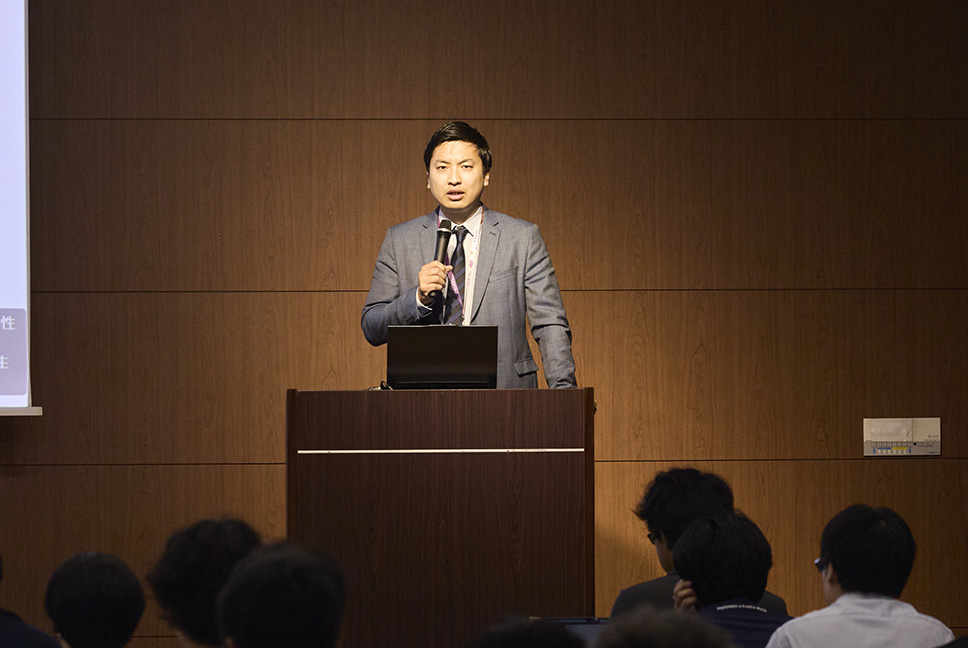
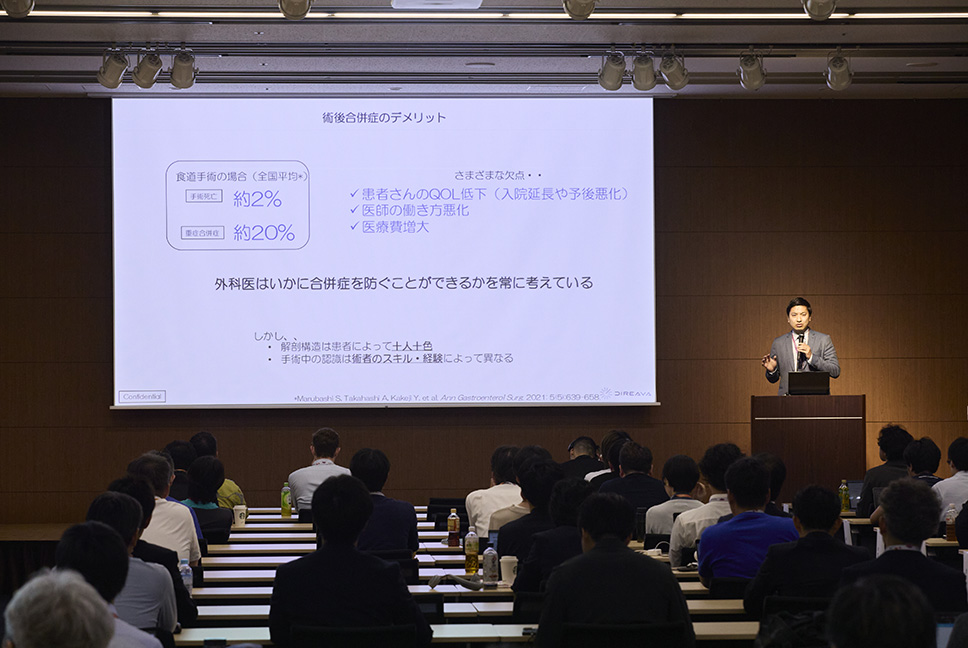
“We are developing a multimodal LLM specialized for surgical procedures to support real-time decision-making during operations. By integrating surgical image data with Japanese-language clinical datasets, the model will not only recognize surgical techniques and anatomical structures but also generate clinically meaningful explanatory text. The project is intended to support both surgical assistance and the training of young physicians, with plans for validation in real clinical settings. By training AI on advanced surgical knowledge, we aim to lay the foundation for expanding Japan’s medical expertise to the global stage.” -Takeuchi
PRECISION Inc.
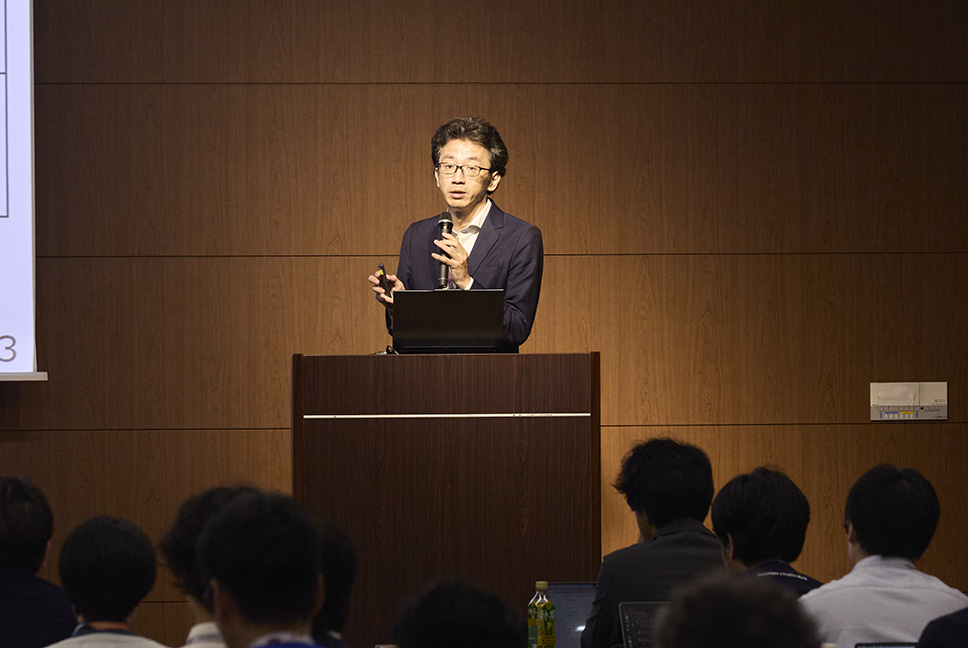
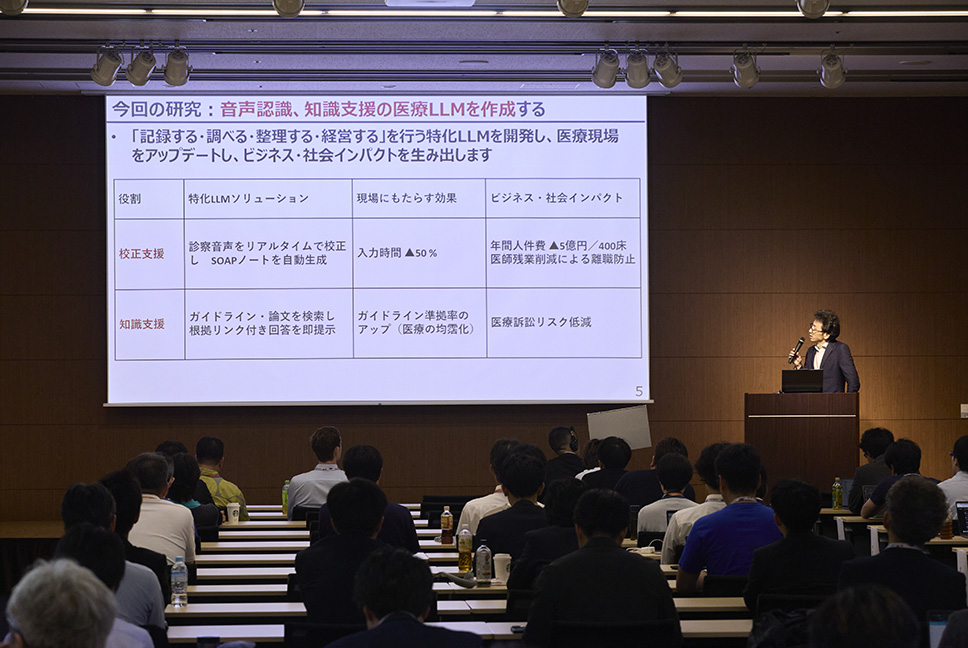
“From my perspective as both a physician and an AI researcher, I am developing an LLM specialized for the medical field. Our goal is to address pressing challenges such as harsh working conditions and the risk of medical errors by building a model that can support clinical documentation through speech recognition and provide evidence-based knowledge references. We are advancing additional training using one of Japan’s largest medical corpora, along with on-premises deployment capabilities. By supporting the processes of medical record-keeping, research, organization, and management, this initiative aims to tackle the structural issues of healthcare’s heavy reliance on human labor.” -Sato
AIdeaLab Inc.
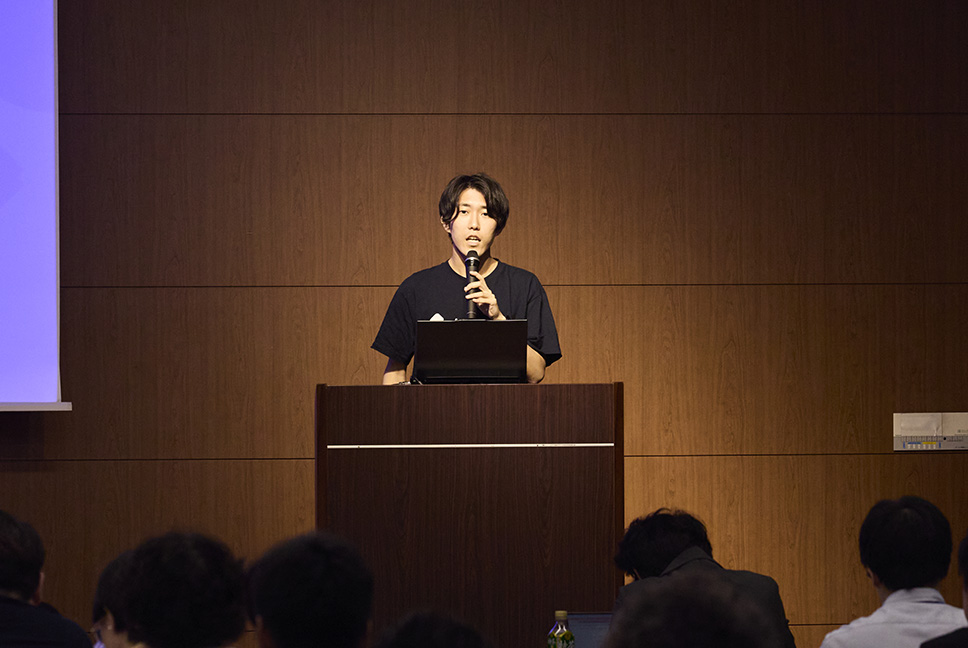
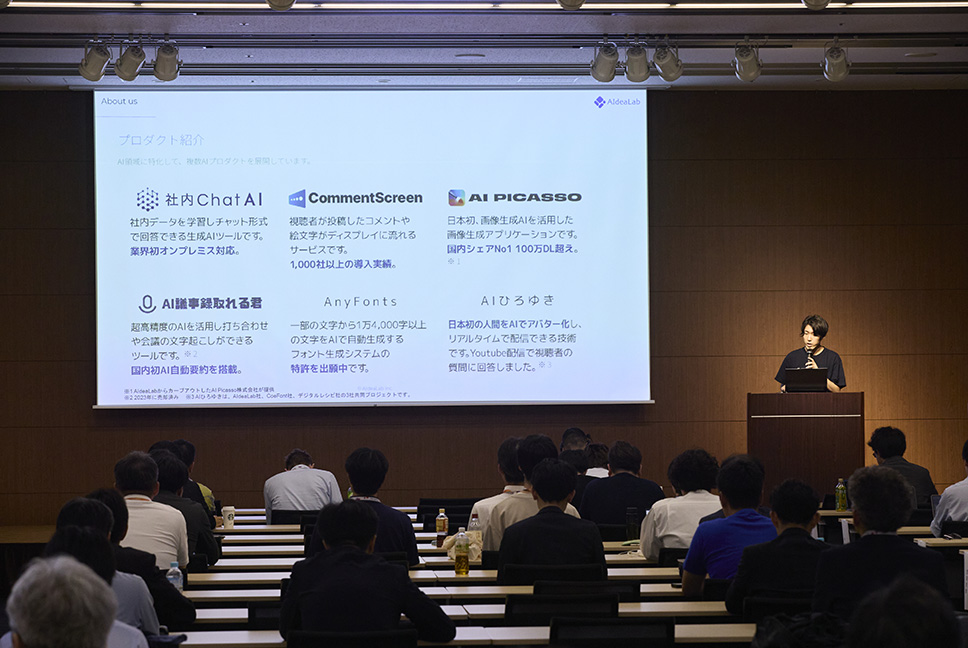
“We are developing a video generation AI model designed to address challenges in the anime production process. In the 3rd Cohort, we are adopting a spatiotemporal MoE (Mixture of Experts) architecture, building both small- and large-scale models to achieve high-quality generation capable of handling intense motion and complex expressions. The models will be implemented on our in-house platform AnimeGen, where we will evaluate performance and user satisfaction with the goal of surpassing existing systems such as Sora and Niji Video.” -Tomihira
NABLAS Inc.
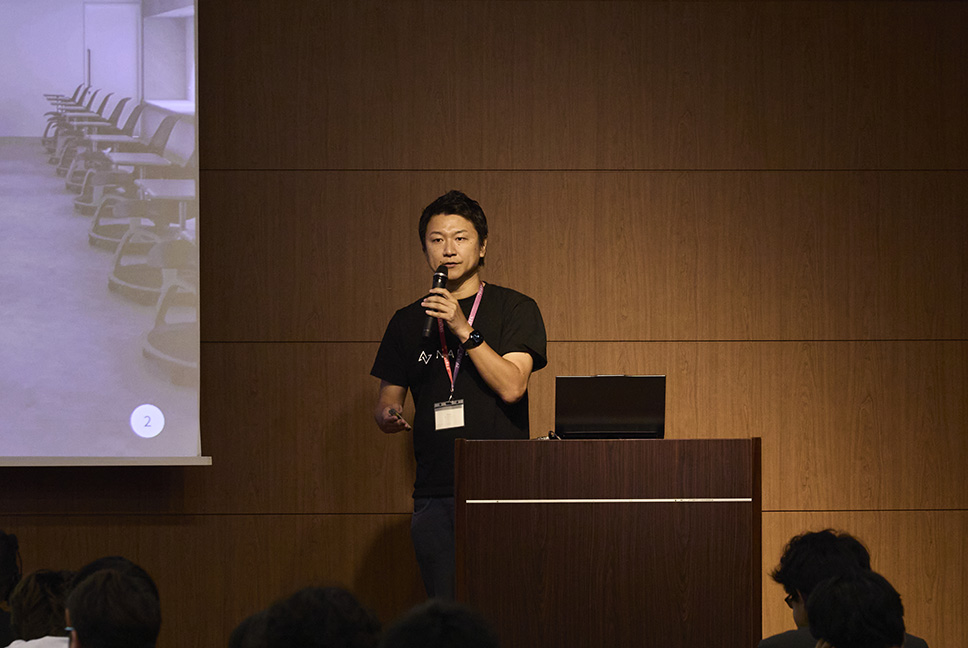
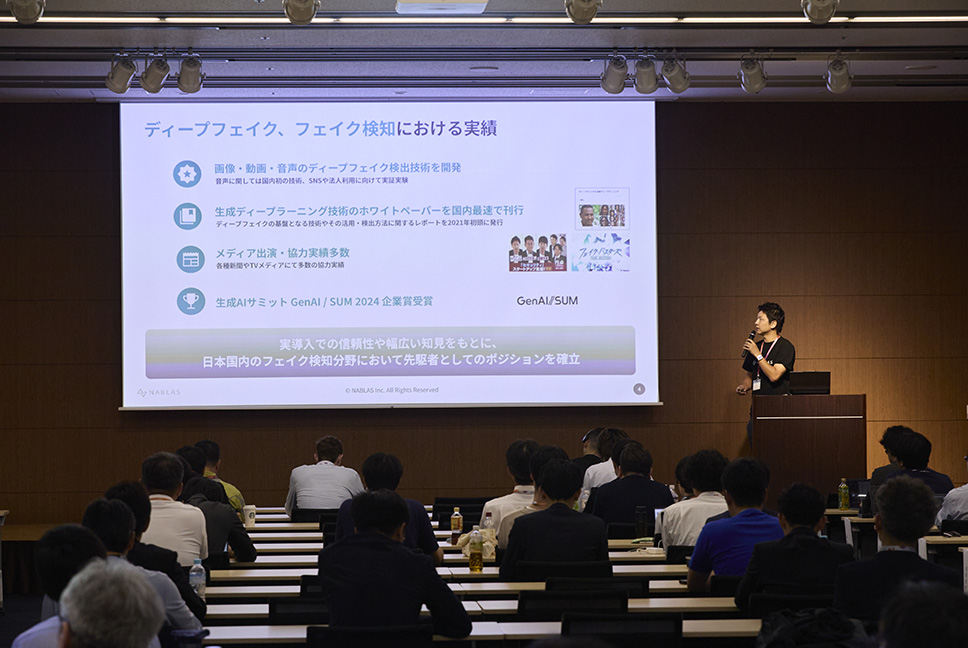
“We are developing a reward model specialized for fact-checking, called Factcheck Reward Modeling (FRM), along with an AI agent that leverages it. The system will automatically detect deepfakes and hallucinations, and generate research reports grounded in reliable information sources. Proof-of-concept trials are planned for use in newsroom settings, and in the future, we are considering offering it as a modular solution via API integration.” -Suzuki
SDio Inc.
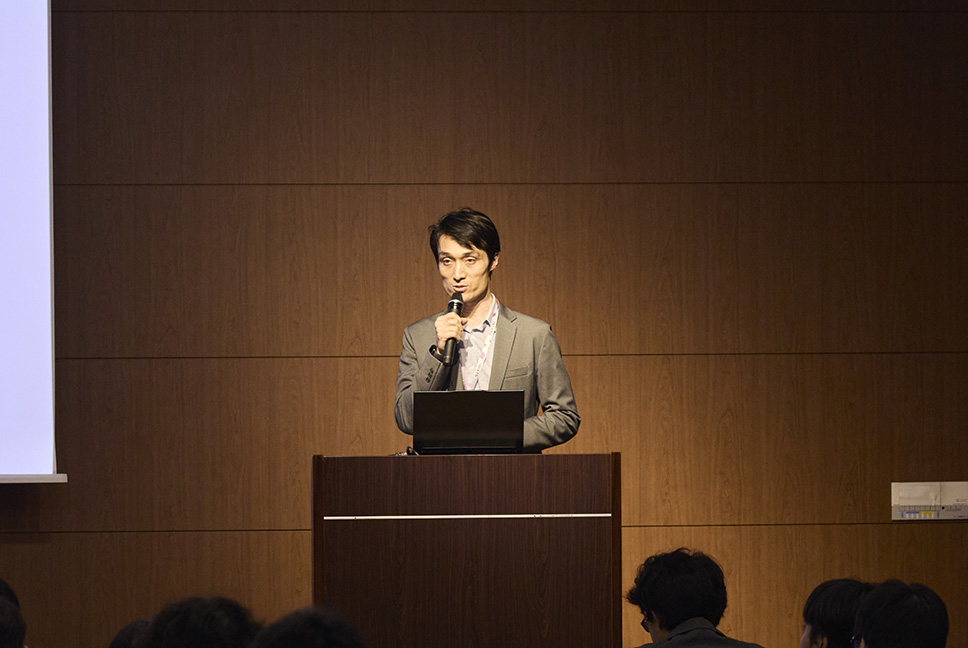
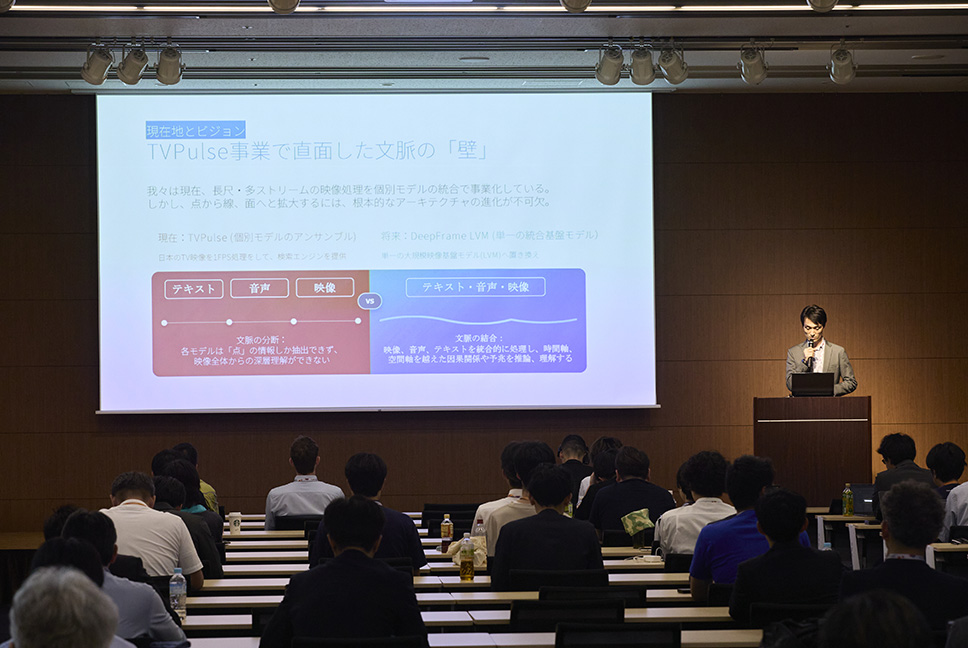
“We are developing a foundation AI model capable of contextually understanding long-duration, multi-stream video. By integrating video, audio, and text, and applying compressed memory and hierarchical reasoning, we aim to achieve low-cost comprehension of entire storylines and deep causal relationships—something that has been extremely challenging until now. Our goal is to build an integrated architecture that pushes beyond the current limits of video AI, with applications envisioned across industries such as media, manufacturing, and retail.” -Kai
Rakuten Group, Inc.
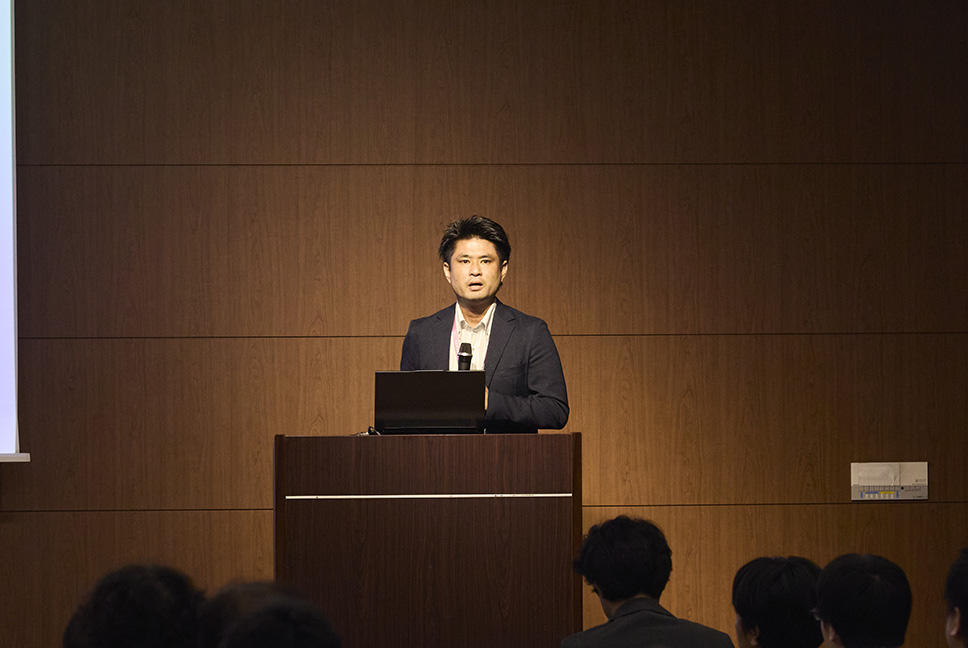
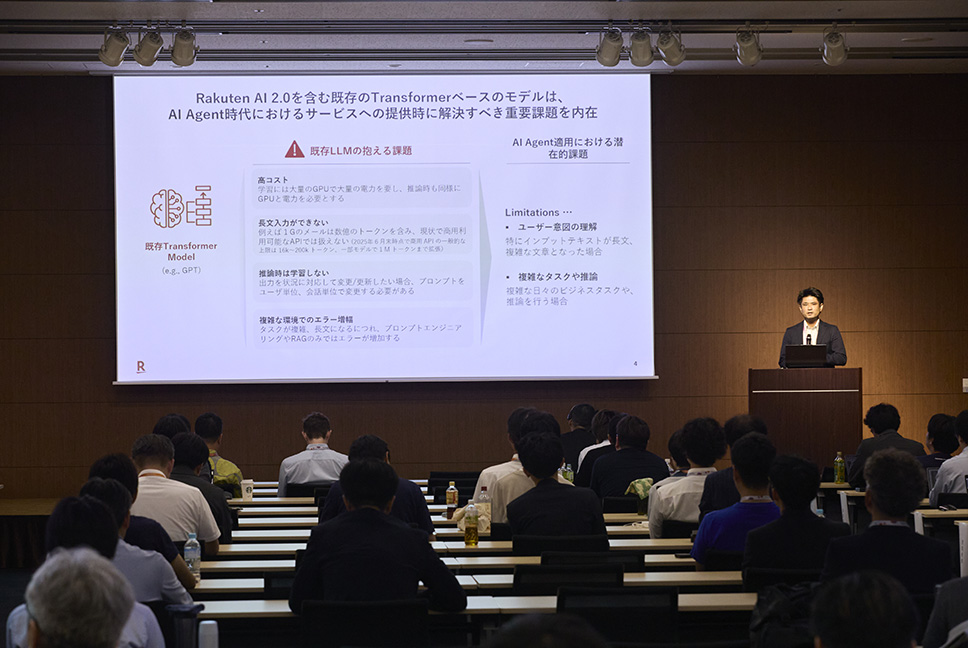
“We are advancing R&D on a proprietary LLM optimized for the Japanese language and culture. To overcome the high costs and long-text processing limitations of conventional Transformer-based LLMs, we are building a next-generation model incorporating Factorization Memory. By combining long-term memory with interactive learning, we envision deploying AI agents across the entire Rakuten ecosystem.” -Hirate
Kotoba Technologies Japan Inc.
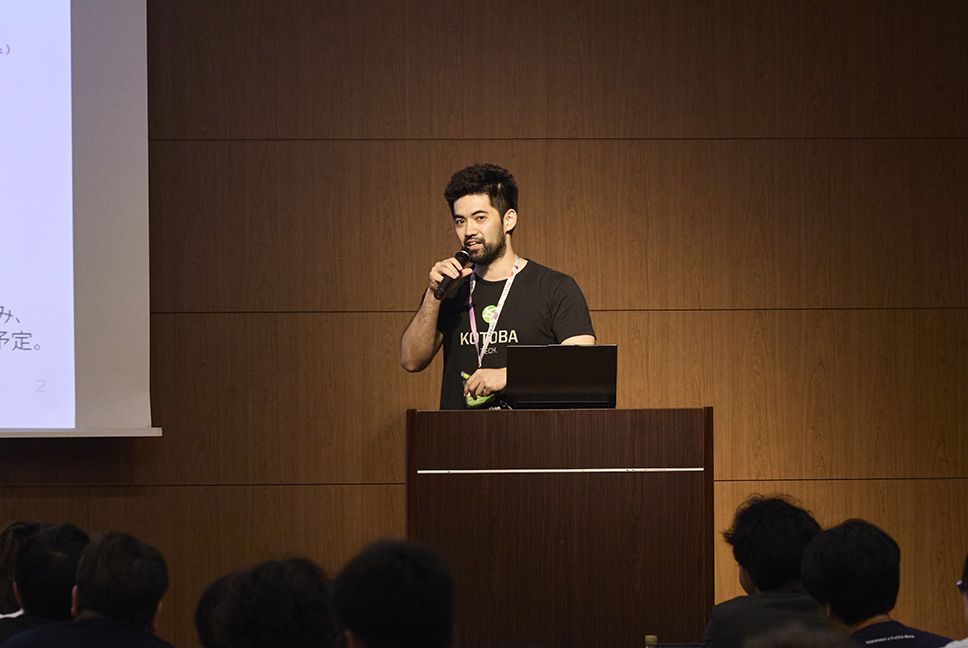
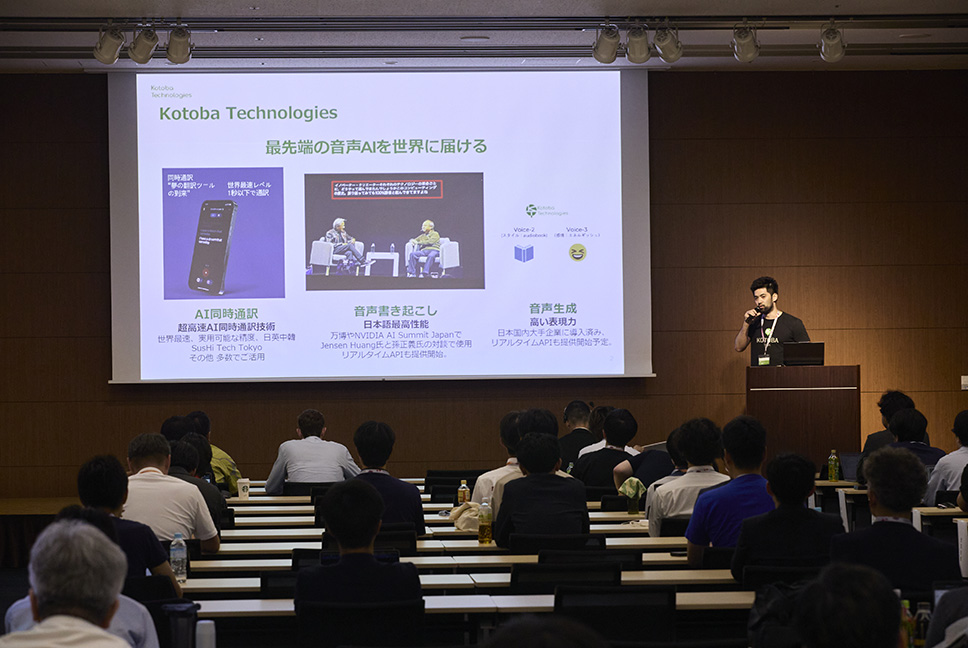
“We are developing a foundation model specialized in Japanese speech generation, transcription, and simultaneous interpretation. In GENIAC’s 3rd Cohort, we are continuing to build a real-time speech model supporting seven languages, taking on the challenge of large-scale training with synthetic data. Proof-of-concept trials using an iOS app are also underway, with offline functionality and edge deployment in view. Our aim is to move from exploratory research to the practical phase—and to make a global impact through speech AI.” -Kojima
Please see the second half of the event report here:
“GENIAC 3rd Cohort Kickoff Event Held! [Part 2]”

